
Why Virtual Assistant Roles Are the Remote Career Change You Need to Consider
You want to work from home. You are not alone. About 32.6 million Americans are expected to work remotely by 2026, and the global demand for remote talent jumped 29% year over year. But here is the thing. Most advice pushes you toward sales or tech roles with steep learning curves. That can feel intimidating.
There is a smarter path. Virtual assistant jobs remote offer a way in with lower barriers. No cold calling scripts. No coding bootcamps. Small business owners, solopreneurs, and startups are desperate for help with scheduling, email management, and customer support. They do not need a degree. They need someone reliable.
That is where you come in. Whether you are leaving a nine to five or building a side stream, the online home jobs market is wide open.
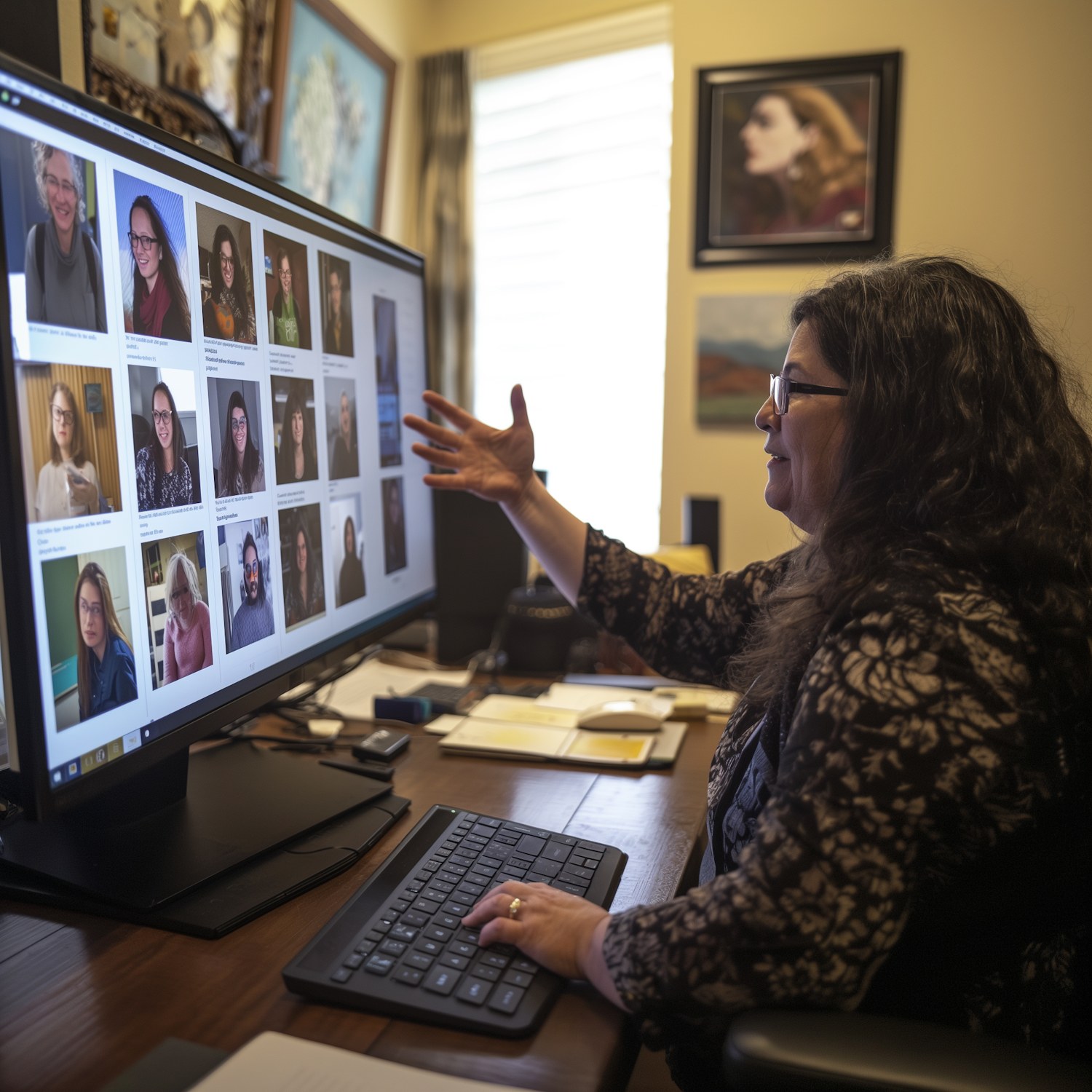
Companies post roles daily on platforms like Infocision work from home boards or FlexJobs remote jobs lists.
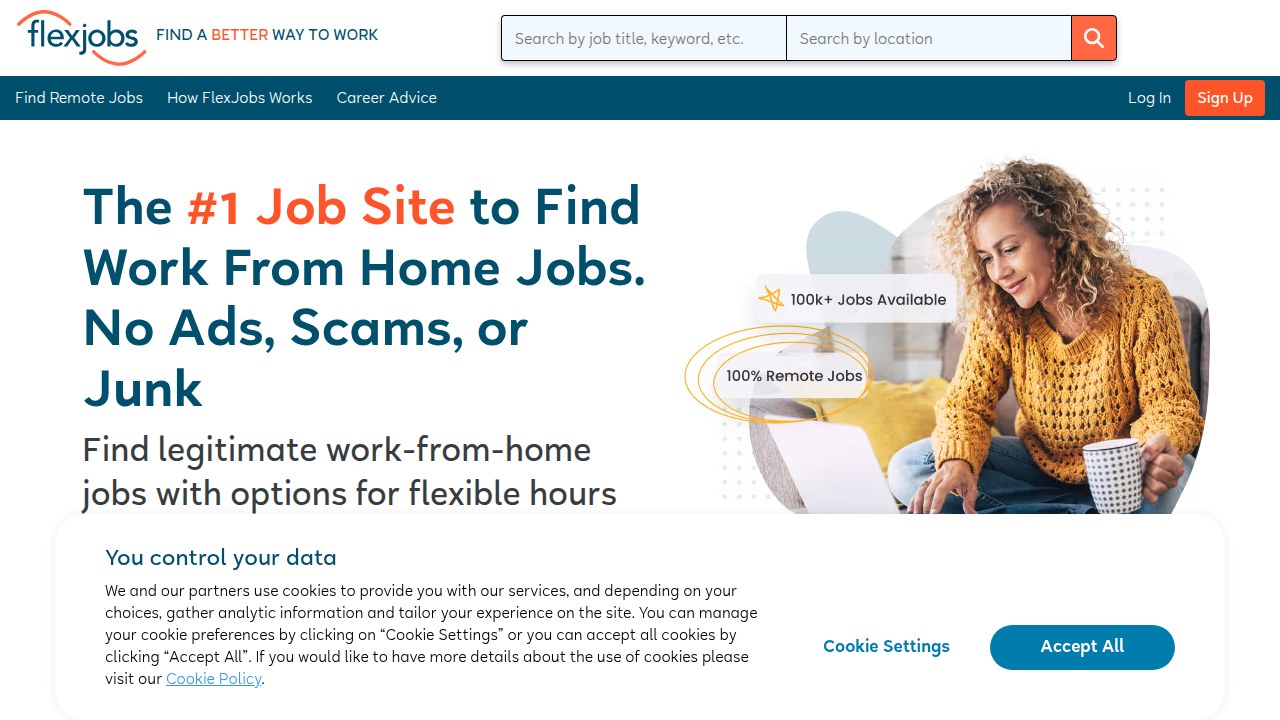
This guide will show you exactly how to find, vet, and crush it in a virtual assistant role using skills you already have. If you eventually want to scale into higher commissions, we cover that too.
Browse our full library of remote career guides for tools and strategies that help you earn more.
What Exactly Is a Virtual Assistant Job (And How Is It Different From Sales)?
Picture this. A busy real estate agent needs someone to sort email, schedule showings, and send follow-ups to buyers. They do not need a full-time employee. They need you, a virtual assistant, handling those tasks from your home office.
That is the core of a virtual assistant job. You work remotely, helping business owners with daily operations. Your tasks might include:
- Managing calendars and email inboxes
- Organizing files and data entry
- Handling customer support messages
- Creating social media posts
- Booking travel and appointments
These roles exist across many industries: tech startups, e-commerce stores, real estate teams, coaching programs, and more. The demand is real. In fact, global demand for remote talent jumped 29% year over year, and 85% of remote workers report higher productivity while working from home source.
Now, how is a VA role different from a sales role? This matters because many people come from a sales background or hope to move into sales later.
| Aspect | Virtual Assistant | High-Ticket Sales |
|---|---|---|
| Main focus | Recurring administrative tasks | Closing deals with prospects |
| Pay structure | Fixed hourly or monthly rate | Commission or performance-based |
| Skill needed | Reliability, organization, follow-through | Persuasion, negotiation, objection handling |
| Typical day | Checking off tasks | Making calls and presentations |
But here is the interesting part. If you have a sales mindset, you can be an excellent VA. Salespeople are already good at communication, staying organized, and following up persistently. Those same traits make a VA invaluable to a busy client. You know how to keep things moving, which is exactly what small business owners need.
So if you are looking for online home jobs that let you build skills while earning steady pay, a VA role is a smart starting point. Later, if you want to pivot into higher commissions, the experience you gain managing client relationships will help. You can even check platforms like FlexJobs remote jobs or Infocision work from home boards to find openings right now.
Want to learn how to turn this role into a bigger income stream? Read Articles that cover both VA strategies and high-ticket closing paths.
Why Virtual Assistant Demand Is Surging in 2026
By now you see the difference between a VA role and a direct sales position. But here is the big question: why are virtual assistant jobs remote exploding right now? The numbers are hard to ignore. Remote work has grown massively, and businesses are hiring fractional support instead of full‑time staff.
One major reason is the solopreneur boom. More people than ever are starting small businesses. A coach, a course creator, or an e‑commerce seller usually cannot afford a full‑time employee. But they can pay a VA for 10‑20 hours per week. That makes online home jobs like virtual assisting a perfect fit. These business owners need help with scheduling, email management, and follow‑ups so they can focus on sales and growth.
AI and automation are also changing the game. In 2026, basic tasks like data entry are often handled by software. That means VAs now move into higher‑level strategic work. They manage projects, handle client communications, and even support sales processes. As Coursera notes, the required skills now include communication, critical thinking, and technical proficiency. This shift makes VAs more valuable than ever.
The result? Demand for skilled assistants is surging across industries. If you have strong organization and follow‑through, you can find flexjobs remote jobs or positions on platforms like Infocision work from home. Many of these opportunities lead directly into high‑ticket sales roles later.
Think of a VA role as your training ground. You learn how to support clients, manage priorities, and communicate professionally. Those same skills help you close bigger deals. Ready to take the next step? Read Articles on our site that cover both VA strategies and high‑ticket closing paths.
[Internal link suggestion: Many aspiring closers start as VAs to learn the ropes. Check out this guide on how to start a high‑ticket sales career in 2026 to see how your VA experience can open the door to bigger commissions.]
Essential Skills and Certifications to Land Virtual Assistant Jobs Remote
So you know the demand for virtual assistant jobs remote is booming in 2026. But what do you actually need to land one? The good news is you probably already have some of the skills. Let me break down what employers look for and how you can stand out.
First, master the core skills. Time management is huge. You will often juggle multiple clients and deadlines. Written communication matters too. Most of your work happens through email or chat, so clear writing saves everyone time. Tech literacy is nonnegotiable. You need to feel comfortable with CRMs, project management tools like Trello or Asana, and scheduling platforms. Coursera lists communication, critical thinking, and technical proficiency as key areas to develop. These skills open doors to online home jobs and positions at companies like Infocision work from home.
Next, consider getting certified. You do not need a degree, but certifications prove you are serious. Look into VA-specific courses. The Remoxie 2026 VA courses teach administrative support, organization, and time management. You can also earn recognized credentials. Project management certifications like PMP or CAPM show you can handle complex tasks. Bookkeeping certifications such as QuickBooks make you more valuable to clients who need financial support. The Certified Virtual Assistant program from Virginia Wesleyan University even teaches you how to find a niche and set your rates.
Here is the interesting part. If you have sales experience, you already have transferable skills. Objection handling, relationship building, and CRM expertise are exactly what many VA roles need. You can use those abilities to support sales teams or manage client communications. This makes flexjobs remote jobs easier to find because you come in with practical know-how.
Ready to take the next step? If you want to turn your VA experience into bigger opportunities, check out our guide on how to start a high-ticket sales career in 2026. It shows how your skills can lead to higher commissions.
View Articles on our site for more strategies to grow your income.
Where to Find Legitimate Virtual Assistant Jobs Remote (Avoid Time‑Wasters)
You have the skills and maybe a certification. But now you need to find real virtual assistant jobs remote that actually pay. The internet is full of listings that lead nowhere. Here is how to find the good ones and avoid the time‑wasters.
Start with proven job platforms. Upwork has thousands of live VA jobs you can apply to today. Remote.co focuses entirely on remote roles, so every listing is work‑from‑home friendly. You can also apply directly to reputable VA agencies. Companies like Boldly, Time Etc, and BELAY regularly hire VAs and offer steady clients. Niche boards like Virtual Vocations list curated remote jobs in over 50 categories including admin support. General sites like Indeed also carry hundreds of remote VA openings.
Do not rely only on job boards. Networking is often faster. Update your LinkedIn profile to say you are open to online home jobs or Infocision work from home style roles. Join Facebook groups for virtual assistants. Post what you offer. Many clients never list jobs publicly. They hire from referrals or posts they see in groups.
Now, watch out for red flags. Avoid listings that charge upfront fees or require you to buy a “starter kit.” Legitimate companies never ask for money. Be suspicious of vague descriptions like “help with various tasks” with no specifics. And if the pay seems too good for entry‑level work, it probably is. Real FlexJobs remote jobs (like those on FlexJobs) have clear pay ranges and responsibilities. Trust your gut.
If you want to grow beyond VA work into higher commissions, consider how your skills transfer. Many VAs move into sales roles. Check out this guide on sales development representative jobs that turn beginners into high‑ticket closers. It shows another income path using the same people skills.
Ready to dig deeper? View Articles on our site for more ways to land and succeed in remote work.
Virtual Assistant Income Potential: What You Can Really Earn
So you know where to find a real virtual assistant jobs remote is the easy part. The big question is: how much does it actually pay? Let’s skip the hype and look at real numbers.
Beginners usually start between $15 and $25 an hour. If you work 30 hours a week, that equals around $1,800 to $3,000 a month. Not bad for your first online home jobs.
Experienced VAs who have been at it for a few years often charge $35 to $50 an hour. At that rate, you can earn $4,000 to $6,000 a month working full time. Some top specialists charge even more.
What separates a $15/hour VA from a $50/hour VA? It is usually specialization. A general VA handles basic email and calendar tasks. A specialized VA knows a specific industry inside out.
For example, real estate VAs or executive assistants command higher pay. They know the tools and the language of that world. They also keep their clients for years. Client retention is huge. Steady work means you stop chasing infocision work from home listings and start building a real business.
Companies like Boldly are known for matching VAs with long-term clients. That stability is valuable. Whether you find clients through networking or flexjobs remote jobs directories, long-term clients increase your income the most.
Here is a common move that smart VAs make. They keep their VA income for stability. Then they learn high-ticket sales on the side.
Why? A VA job pays you for your time. A high-ticket closer gets paid based on the deal size. You can make a single sale worth $1,000 to $5,000 in commission. That is like two weeks of VA pay in one day.
Many people combine both. They do VA work in the morning and sales calls in the afternoon. It gives them a safety net and an unlimited upside. If you want to explore this path, check out how to start a high-ticket sales career in 2026.
Whether you stick with VA work or branch into sales, having the right plan matters. Read More guides to help you decide which remote income path fits you best.
How to Start Your Virtual Assistant Career With No Experience
Okay, so you know the money is out there. But maybe you have zero experience right now. How do you get your first client without any work history?
Here’s the good news. You do not need a degree or years of office work. You just need a simple plan.
Start with these four steps.
1. Pick 2 to 3 services you can offer right now.
You already have skills you do not think about. Can you sort emails? Schedule appointments? Update a basic website? List specific services you feel confident doing. According to a VA Masters guide, most beginners land their first client by focusing on a small set of services first.
2. Build a simple portfolio.
You do not need real clients yet. Make a sample project instead. Create a mock email inbox and clean it up. Write a schedule for a pretend CEO. Show your process. A quick online presence like a Canva portfolio or a simple LinkedIn page is enough to apply for entry-level virtual assistant jobs remote.
3. Create a clear pricing sheet.
Decide your starting rate. Many beginners charge $15 to $25 an hour. Write down what each service costs. This makes you look professional. Indeed’s career guide suggests you may need to start with smaller, lower-paying jobs to build your portfolio. That is totally fine.
4. Use your background to get that first testimonial.
Do you have any sales experience? This is a hidden superpower. A busy salesperson often needs help with admin tasks. Offer to take over their email follow-ups or calendar management. Do it for free or at a reduced rate for one week. Ask for a testimonial and permission to share the work.
Your sales background makes you valuable because you already understand client conversations and urgency. This is the same reason many successful high-ticket closers start as VAs first. They learn the flow of remote work while building trust.
Once you get that first testimonial, you have proof. Then you can apply for paid infocision work from home listings or pitch yourself confidently on flexjobs remote jobs boards.
The hardest step is always the first one. But you can do this without a fancy resume.
Common Scams and Pitfalls in Virtual Assistant Jobs—and How to Avoid Them
Starting your virtual assistant journey is exciting. But the online world has some traps you need to watch out for. Scammers know beginners are eager, and they use that against you. Let me walk you through the most common scams and how to dodge them.
The Most Frequent Scams to Know
Here are the big ones you will likely see as you search for virtual assistant jobs remote.
Fake check scams. A client sends you a check for more than your fee. They ask you to deposit it and send the extra money back. The check bounces weeks later, and you lose what you sent. This is a very old trick.
Payment on delivery scams. A client promises to pay after you finish the work. Then they vanish without paying. Never work without a deposit or milestone payments.
Overpayment scams. Similar to the fake check. They overpay on purpose and ask for a refund. The original payment is fake.
Pyramid schemes. Some companies promise huge pay for easy work. They make you pay to start or recruit others. Real flexjobs remote jobs never ask you to pay upfront.
How to Verify a Client Before You Start
You can avoid most scams with a few simple checks.
- Look for real social proof. Check if the client has a professional LinkedIn profile, a website, or past testimonials. If you can not find anything, ask questions. A legitimate client can show proof of their business.
- Ask for a small paid trial. Offer to do a one hour test project for a small fee. Real clients are happy to do this. Scammers will make excuses.
- Use escrow services or milestone payments. Platforms like Upwork hold payments until work is done. This protects both sides. For direct clients, use tools that release payment after you approve work.
- Trust your gut. If something feels off, it probably is. According to a VA Masters beginner guide, you should always start with smaller, lower paying jobs to build confidence. Scammers often target people looking for huge pay too fast.
Many successful remote workers, including those in high-ticket sales, rely on trusted communities and referrals to find legitimate clients. You can do the same as you search for infocision work from home opportunities.
Avoiding Burnout Is Just as Important
Scams are not the only danger. Burnout can ruin your career before it starts. New VAs often take too much work because they are afraid to say no.
- Set clear boundaries from day one. Use a written contract that states your hours, tasks, and payment terms. A contract protects you and makes you look professional.
- Know your limit. Start with one or two clients. As Indeed’s career guide suggests, you may need to accept small jobs first. Do not say yes to everything just to get experience.
- Schedule breaks. Remote work blurs the line between work and home. Set a timer and walk away from your computer.
If you learn how to spot scams now, you will save yourself a lot of stress later. And if you protect your time, your VA career can grow the right way.
Ready to build more skills? Browse our articles for more tips to succeed in remote work.
Balancing Virtual Assistant Work With Other Income Streams (Including Sales)
By now you know how to spot scams and protect your time. But here is the real secret many successful remote workers learn. You do not have to pick just one path.
Many closers find that virtual assistant jobs remote work perfectly alongside high-ticket sales. Think of it this way. Your VA work gives you a stable base income. It pays your bills every month. Then your sales commissions become the bonus that grows your savings.
A FlexJobs article reports that VAs earn around $19.45 per hour on average. That is solid for steady work. But high-ticket sales can bring in thousands per deal. Blend both and you get the best of both worlds.
Time Management Strategies That Work
Juggling multiple clients or hybrid roles takes some planning. Here are a few tactics that real closers use.
- Block your calendar. Set strict hours for VA tasks and separate blocks for sales calls. Do not let them bleed together.
- Use a simple task tracker. Write down everything you need to do each week. Prioritize tasks that earn the most first.
- Start small. Take on one or two VA clients and one part-time closing role. As DailyRemote notes, VAs often earn between $500 and $3,000 per month with just 5 to 20 hours per week. That leaves room for sales work.
- Automate what you can. Use scheduling tools and email templates for your VA tasks. This frees up mental energy for closing.
A Real Example of Blending VA and Sales Work
Sarah started as a virtual assistant doing email management for a coach. She earned $1,200 per month from that client. But she wanted more. So she took a part-time high-ticket sales role on the side.
She used her VA skills to organize her sales pipeline. She scheduled her closing calls during her most focused hours. Within three months, her commissions matched her VA income. Today she earns $4,000 per month from VA work and another $6,000 from commissions.
You can do the same thing. Start with one VA client and one part-time sales role. Build your skills in both. Then grow at your own pace.
The Upwork guide on VA side hustles lists many ways to combine VA work with other income streams. The key is to stay organized and protect your time.
If you want to learn more about how high-ticket sales can boost your income alongside your VA career, check out our resources. Browse our articles for practical strategies and training recommendations.
Summary
This article explains why virtual assistant (VA) roles are an accessible, high-demand remote career option and shows you how to break in using skills you already have. It defines the VA role, contrasts it with sales jobs, and highlights why businesses and solopreneurs increasingly hire fractional remote support. The guide covers what tasks VAs perform, which skills and certifications matter, where to find legitimate listings, and realistic pay ranges for beginners versus specialists. You’ll learn a simple four-step plan to land your first client without prior experience, practical tips to spot scams, and ways to protect your time to avoid burnout. The piece also outlines how VA work can pair with part-time high-ticket sales to create stable income plus upside. After reading, you’ll know where to apply, how to present yourself, how to set rates, and how to grow a VA role into broader remote-earning opportunities.