
How to Find Reliable Ticket Center Reviews to Buy Safe Tickets 2026

Why Reliable Ticket Center Reviews Matter and What This Guide Covers
Are you excited to buy tickets for your favorite band or a big sports game? Buying tickets online should be fun, but it can also feel a bit tricky.

Sometimes, you might worry if the website is real, if you’ll get fake tickets, or if there will be hidden fees when you check out. It is a common problem to wonder which ticket sellers you can truly trust.
This is exactly why reliable ticket center reviews are so important. Just like you check what others say before buying a new phone or a new game, you need to know what real people think about ticket sellers. These reviews help you see if most customers had a good time or faced problems, like issues with Ticketmaster customer service or confusing rules. Experts actually use special methods, often called sentiment analysis, to understand the overall feeling or "sentiment" in many reviews, figuring out if people are mostly happy, sad, or somewhere in between about a service or product [1, 2]. This helps to get a fuller picture of customer opinions.
In this guide, we’re going to help you become a smart ticket buyer. You’ll learn how to find and use the best ticket center reviews in 2026. We will cover important things like:
- Reputation: How to tell if a ticket seller is well-known and trusted.
- Fees: What to look out for so you are not surprised by extra costs.
- Policies: Understanding their rules for things like refunds or event changes.
- Real User Experiences: Learning from what other people have said about buying tickets.
We want to make your ticket search easier and safer. Whether you are looking for local event tickets or trying to get a global ticket for an event far away, this information will help you choose wisely. For example, if you are looking to score the best NFL Sunday Ticket deals in 2026, knowing where to buy is key. Or, if you hope to get Riley Green concert tickets in 2026, reading reviews will guide you to reliable sellers. By the end, you will feel much more confident about where to buy your next event tickets.
How ticketing platforms work: services, delivery methods, and typical user flows
When you look for tickets online, you are using what we call a "ticketing platform." Think of these platforms as online shops for event tickets. They help you find, buy, and get your tickets for concerts, sports, or shows. To understand ticket center reviews, it helps to know a little bit about how these places usually work.
There are two main ways tickets are sold on these platforms. First, there’s the primary market. This is where new tickets are first sold by the people who put on the event. For example, when a band announces a new tour, the first tickets go on sale here. Then, there’s the secondary market. This is where people sell tickets they bought but can no longer use. This resale market is actually very big. In 2026, it was worth about USD 3.41 billion and is still growing fast [1]. This means many tickets you find online are being resold by others.
Once you buy a ticket, the platform needs to get it to you. This is called the delivery method. Most common ways include:
- E-tickets: These are sent to your email. You can print them at home or show them on your phone.
- Mobile tickets: These are tickets that live right on your phone in an app. You just show your phone at the event entrance.

- Mail: Sometimes, you might get physical tickets sent to your home address.
These ways make getting your tickets easy, but it is important that the platform provides clear instructions and that the tickets arrive on time.
The process of buying a ticket usually follows a few steps. First, you start a ticket search for the event you want to go to. You pick your seats and see the price. Then you add the tickets to your cart and go to checkout. Here, you usually pay for the tickets and any extra fees. Finally, you get a message saying your purchase is confirmed. When this process is smooth, people often leave good ticket center reviews.
What happens after you buy is just as important. You expect to get your tickets without any problems. If your e-ticket doesn’t show up, or if you have questions about your seats, you will need to talk to customer support. Many people share their experiences with Ticketmaster customer service or other platforms in their reviews, which helps others know what to expect. Good customer support can fix problems quickly and keep you happy. Actually, if you are looking to get specific tickets, like how to get Riley Green concert tickets in 2026, checking reviews for that specific event or seller can really help. Or, if you hope to score the best NFL Sunday Ticket deals in 2026, understanding how these platforms handle sales and support is key.
Understanding these steps helps you know what makes a good ticket-buying experience and what to look for in ticket center reviews.
Trust & reputation: interpreting ticket center reviews, complaints, and rating patterns
After understanding how ticketing platforms work, the next step is learning how to truly read ticket center reviews. These reviews are super important for figuring out if a platform is trustworthy. It’s not enough to just see a star rating. You need to look closer.
First, don’t just focus on the very best or very worst reviews. Every company will have a few people who had amazing experiences and a few who had terrible ones. These extreme views don’t always show the full picture. Instead, look at the overall average rating. Then, read many reviews, both good and bad, to get a balanced idea. Experts even use special tools to check the "sentiment" or feeling behind many reviews at once [9, 10]. This helps them see what customers really think about different parts of a service [11].
Always try to find "verified" reviews. These are usually from people who actually bought tickets through the platform and can prove it. This makes their feedback more reliable. When you’re doing a ticket search, knowing how to pick a good platform is key.
Red flags vs. normal issues
When you read complaints, it’s helpful to know the difference between a small, one-time problem and a big warning sign.
- Normal variance: Sometimes, a delivery might be a bit late, or someone might not like their seats. These are usually one-off issues. Platforms can have small problems from time to time, and that’s normal for any business [7].
- Red flags: These are patterns of serious problems. If many people complain about the same big issue, that’s a red flag. For example:
- Tickets not arriving: Lots of complaints about mobile tickets or e-tickets never showing up could mean a problem with their delivery system.
- Hidden fees: If many reviews talk about surprise extra charges at checkout, that’s a sign of a sneaky business practice [3]. Payment systems should be clear about all charges [4].
- Bad customer service: A common complaint about Ticketmaster customer service or another platform being unreachable, unhelpful, or slow could mean trouble if you ever have a problem.
Good customer support is key, especially if you need to know how to get specific tickets like Riley Green concert tickets in 2026.
* Problems with refunds or chargebacks: If people often mention that they can’t get their money back or have issues with payments being reversed [5], it points to bigger problems with how the company handles money.
A few negative reviews are normal, but a consistent pattern of complaints about important things points to a systemic risk. This means the problem is part of how the company works, not just a random mistake. For example, if you’re looking for the best NFL Sunday Ticket deals in 2026, you’d want to be sure the platform is reliable.
By carefully looking at the kinds of complaints and how many verified reviews there are, you can make a much smarter choice about where to buy your next event tickets.
Pricing and fees explained: what to look for in ticket center pricing, add-on fees, and refund terms
After looking at ticket center reviews to understand a platform’s reputation, the next big step is figuring out how much you’re really going to pay. Sometimes, the price you see at first isn’t the final price. This is because of all the extra fees. Being smart about pricing means knowing what fees to expect and how refund policies work. This can save you from surprise costs and headaches later.
Common fees and where they hide
Ticket platforms often add different fees to the basic ticket price. These fees can make the total cost much higher. Here are some common types:
- Service Fees: This is probably the most common fee. It’s what the ticket seller charges for its service, like finding the ticket and making the sale happen. You’ll usually see this added near the end of your purchase, right before you pay.
- Processing Fees: These are fees for handling your payment, like when you use a credit card. Companies like Visa and Mastercard have rules for how these payments are processed [1]. Sometimes, these are lumped into a "convenience fee."
- Delivery Fees: If you choose to have a physical ticket mailed or want a special digital delivery, there might be a charge for that. Mobile tickets often have smaller or no delivery fees.
- Facility Fees: These fees sometimes come from the venue itself, helping to cover the costs of running the event space.
- Resale Fees: If you’re buying a ticket from someone else on a secondary market, the platform might charge a fee for that transaction.
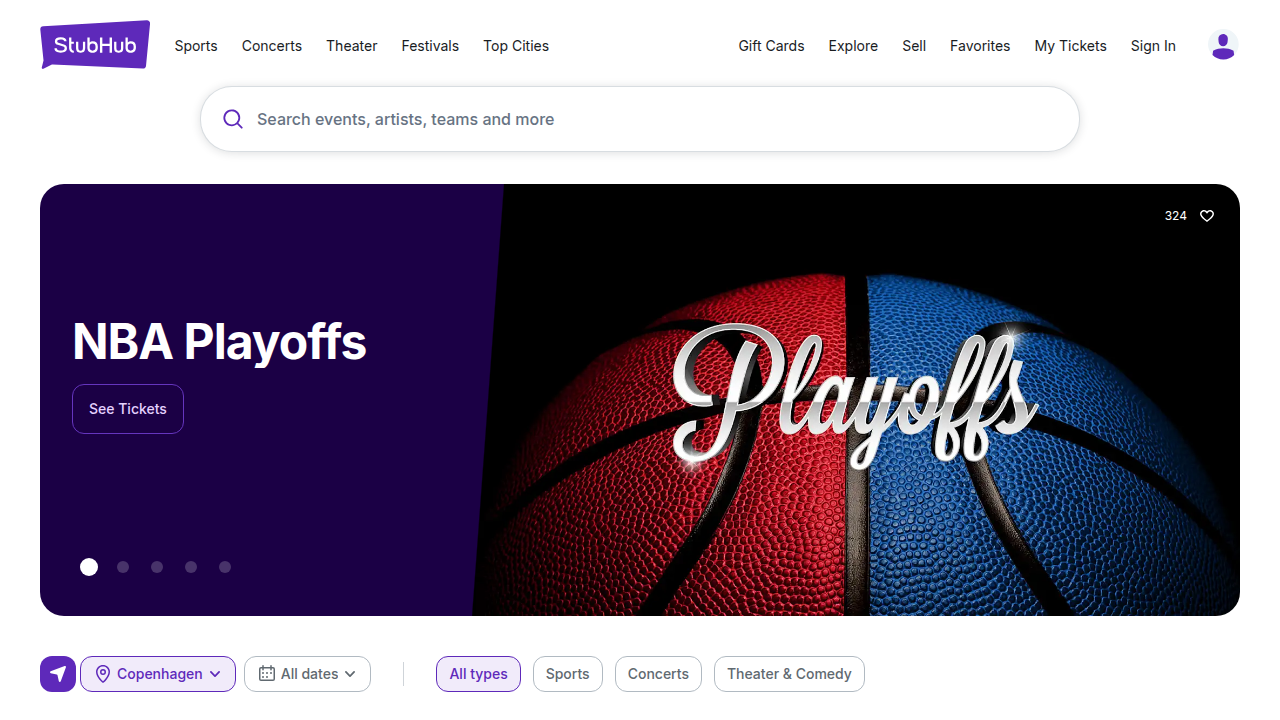
In 2026, there are more and more talks about laws to limit how high these resale fees can be [2, 3]. It’s worth watching out for these if you’re doing a ticket search on resale sites.
The trick is that many of these fees only show up when you are almost done with your purchase. You might see a ticket listed for $50, but by the time you reach the checkout screen, it could be $70 or more with all the added costs. Always check the final price before you click "buy."
Understanding refund policies and cancellations
What happens if an event gets canceled or you can’t go anymore? This is where refund policies come in.
- No Refunds Usually: For most events, once you buy a ticket, it’s a final sale. This means you can’t just change your mind and get your money back.
- Canceled Events: If the event itself is canceled, you usually get a full refund for your ticket. Sometimes, this even includes some of the service fees, but not always. For example, some platforms, like Ticketmaster, have given partial refunds for resale tickets when original prices were capped [4].
- Postponed Events: If an event is moved to a new date, your original ticket is usually still good for the new date. Refunds are less common for postponed events unless you simply cannot make the new date and the platform offers an option.
- Fees and Refunds: This is important: even if you get a refund for the ticket price, you might not get back all the fees. Many platforms state that service fees are non-refundable. Always read the fine print in the terms and conditions before you buy. If you have questions about specific refunds, contacting Ticketmaster customer service or the support for your chosen platform is the best way to get clear answers. Knowing how to manage payments online can also be helpful for quick refunds if they are allowed, like when you need to know how to make your New Jersey ticket payment online in 2026.
- Chargebacks: In rare cases, if you have a major issue and the seller isn’t helping, you might try a chargeback through your bank or credit card company. This is when your bank forces a refund. However, this is a last resort and has specific rules [5]. It’s always better to sort it out with the ticket center first.
When comparing platforms during your ticket search, remember to consider the total cost, not just the initial ticket price. Also, take a moment to look up their refund policy. This small step can save you a lot of trouble and money in the long run.
Alternatives and comparisons: how Ticket Center stacks up against other ticket vendors
After learning about what to look for in prices and fees, it’s time to see how different places to buy tickets compare. Not all ticket centers are the same. Each one has its own good and bad points. To make smart choices, you need to know what to compare beyond just the basic ticket price. Doing your own ticket search across different sites can really pay off.
When we talk about how one "ticket center" compares to others, we’re really looking at a few key things:
What to look for when comparing ticket sellers
It’s like shopping for anything important. You don’t just pick the first thing you see. You look around, right? Here are the main things to check:
- Price and Fees: We talked about this a lot already. But it’s worth saying again: the first price you see is almost never the final price. Always go to the checkout screen to see the total cost, including all service, processing, and delivery fees. Some platforms might have lower ticket prices but higher fees, while others might be the opposite. This is where reading ticket center reviews can help you see if a site is known for hidden costs.
- Ticket Choices (Inventory): Some ticket centers focus on new tickets straight from the event maker. Others specialize in the secondary market, where people sell tickets they can no longer use. This secondary ticket market is really big, with experts saying it’s expected to grow a lot between 2026 and 2030 [1]. A good global ticket platform might offer both. If you’re looking for something specific, like perhaps the best NFL Sunday Ticket deals in 2026, you might find different options on different sites.
- How Clear They Are (Transparency): A good ticket center is clear about everything. They show all fees upfront, explain their rules clearly, and don’t try to trick you. You should easily find information about refunds, event changes, and how to contact them.
- Buyer Protections: What happens if the event is canceled? Or if your ticket turns out to be fake? Strong buyer protection means the company has rules to help you get your money back or get a real ticket if something goes wrong. Always check their refund policies carefully, as we discussed before.
- Customer Support: If you have a problem, can you get help easily? Do they have a phone number, email, or chat support? How fast do they reply? Reading ticket center reviews often gives clues about how helpful their customer service is. Big names like Ticketmaster customer service usually have many ways to reach them, but smaller sites might be harder. Many ticketing systems in 2026 are focusing on better customer support tools [2].
Making your own comparison
It’s really up to you to weigh these points based on what matters most for your ticket search. Maybe you care most about the absolute lowest price, even if it means fewer options. Or maybe you want the peace of mind of strong buyer protection, even if it costs a little more.
Think about what event you’re trying to get tickets for. Is it a big concert, a sports game, or a small local show? Different ticket centers might be better for different kinds of events. For example, some platforms are known as the best for large events [3].
By looking at all these things side-by-side, you can find the ticket center that best fits what you need.

It helps you feel more confident that you’re getting a good deal and that your purchase is safe.
How to evaluate a ticketing platform: a buyer checklist and due-diligence steps
After comparing different ticket sellers, you’re almost ready to buy. But wait, there’s one more important step! Before you click "purchase," it’s smart to do a final check. This helps make sure your buying experience is smooth and safe. Think of it as your own personal safety checklist for tickets.
Here’s a simple checklist to use before you buy from any ticketing platform in 2026:
Your quick checklist before buying tickets
- Check the Seller’s Reputation: Look for ticket center reviews. Do other people say good things about them? If a site has many bad reviews, it’s a warning sign. Websites like Ticketmaster, for example, often get discussed in relation to how they handle resale tickets [1].
- See All the Fees Upfront: You want to avoid surprises. A good platform shows all costs, like service fees and delivery charges, before you reach the final payment screen. Sometimes, governments are even looking into laws to cap resale ticket prices and fees to make things fairer [2, 3].
- Understand Delivery and Transfer: How will you get your tickets? Are they digital, or will they be mailed? Make sure you know when and how they will arrive. Can you easily transfer them if needed?
- Know the Refund Rules: What happens if your event gets canceled or moved? Look for their refund policy. Strong buyer protection means you have ways to get your money back if something goes wrong. This is a very important part of any global ticket purchase.
- Find Customer Support Info: Can you easily find a phone number, email, or chat option? Good customer support is key if you run into any problems. Many modern ticketing systems in 2026 are working hard to offer better customer service [4].
So, checking for clear contact options is a must.
Finding a good deal often starts with a smart ticket search across different sites, especially for specific events like trying to score the best NFL Sunday Ticket deals in 2026. This checklist makes sure that once you find a deal, you’re buying it safely.
What to do if something goes wrong with your ticket purchase
Even with all the checks, sometimes things don’t go as planned. Here’s what to do if you have a problem:
- Keep All Records: Take screenshots of your purchase, save emails, and note down order numbers. This proof is very important if you need to dispute something later.
- Contact Customer Support Right Away: Reach out to the ticket center’s support team as soon as you notice a problem. Explain clearly what happened and what you want them to do. For big companies, you’d contact their dedicated teams, like Ticketmaster customer service.
- Know Your Dispute Options: If the seller doesn’t help, you might be able to dispute the charge with your bank or credit card company. They often have rules to protect you from bad purchases. Make sure to do this within their given timelines, as there’s usually a limit on how long you have to make a claim.
Being prepared with this checklist and knowing these steps can save you a lot of worry and money. It helps you enjoy your event without any hidden stress.
Now, let’s talk about those important ticket center reviews we mentioned. Checking reviews is a smart move, but how can you tell which ones are truly helpful?

It’s like finding treasure in a big pile of sand. You need to know what to look for!
When you read what other people say about a ticketing website, you’re doing something called "sentiment analysis." This just means you’re figuring out if the reviews are mostly happy, unhappy, or somewhere in the middle [5].
Here’s how to look at testimonials and learn real lessons:
How to Judge What People Say
- Look for patterns, not just one story. If one person says their tickets didn’t arrive, that’s a problem. But if many people say their tickets never arrived, that’s a big warning sign about the company. Try to see if lots of reviews talk about the same good or bad things [6].
- Check for details. A review that says "This site is great!" isn’t as helpful as one that says, "I bought a global ticket to the concert, and the PDF arrived right away with no extra fees." Look for specific examples of good or bad service, delivery, or prices.
- Think about who wrote it. Is it a verified buyer? Did they share their experience on a trusted review site? Some reviews might not be real, so be a bit careful. It’s like asking a friend for advice versus hearing a rumor from a stranger.
- What’s the overall feeling? Experts often categorize reviews as positive, negative, or neutral [7]. If most reviews for a company are negative, especially around key things like getting refunds or talking to Ticketmaster customer service, then it’s probably not the best choice. On the other hand, many positive reviews about easy ticket search and smooth delivery are a good sign. In 2026, many tools can help companies understand these feelings from reviews, but you can do it too with a careful eye [8].
It’s helpful to separate a single bad experience (an anecdote) from a repeating problem (a pattern). Everyone can have a bad day, and one customer might have a unique issue. But if the same issue keeps showing up in different ticket center reviews, then it’s likely a real problem with the service or company itself. For example, if many people mention unexpected fees, it could point to an issue with how the company lists its costs [9].
Real-World Examples to Learn From
Looking at real stories, or "case studies," helps us see how things work out for customers. While we don’t have full case studies here, imagine these examples:
- Case Study Idea 1: Smooth Sailing for Concert Goers
- A group bought tickets for a major festival. They chose a platform with high ticket center reviews praising its clear pricing and easy mobile ticket transfer. They had no issues, entered the venue quickly, and even found a deal on their global ticket through a smart ticket search. This shows when things go right.
- Case Study Idea 2: A Refund Rollercoaster
- A customer bought tickets, but the event was canceled last minute. The platform had mixed reviews, especially about its refund process. The customer faced delays getting their money back and struggled to reach Ticketmaster customer service (or similar support). This highlights why clear refund policies and good customer support are so important.
By carefully checking these kinds of user experiences, you can learn a lot about a ticketing platform before you spend your money. This helps ensure your own experience is a good one, whether you’re looking for how to get Riley Green concert tickets in 2026 or trying to manage your New Jersey ticket payment online in 2026.
Summary
This guide explains why reliable ticket center reviews matter and shows you how to use them to buy tickets more safely in 2026. It describes how ticketing platforms operate (primary vs secondary markets), common delivery methods, and the typical buying flow so you know what to expect. The article teaches you how to read reviews for reputation signals, spot red flags like missing tickets or hidden fees, and judge patterns rather than isolated complaints. It breaks down common fees, refund rules, and chargeback options so you can avoid surprise costs. You’ll also get a clear comparison framework for sellers—covering price, inventory, transparency, buyer protections, and customer support—and a short pre-purchase checklist to follow. Practical steps cover what to save, who to contact, and when to escalate disputes, helping you make smarter choices for concerts, sports, or global events.
Keep learning about closing and income