How to Choose a Direct Sales Agency for High-Ticket Sales

Thinking about a new career? Maybe you’ve heard about high-ticket sales and how it can help you earn more money while working from home. It’s a popular choice for many folks in 2026. But figuring out how to get started can feel a bit confusing. That’s where a direct sales agency often comes in.
Simply put, a direct sales agency works with companies to sell their expensive products or services. Think of big purchases like fancy holidays or home renovations. These are "high-ticket" items, and people are still planning to buy them in 2026, especially things like home improvements [1, 2]. A direct sales agency finds customers for these big-ticket goods, and they often hire independent sales representatives to do the selling. For many people, working with a direct sales agency is a common way to jump into these exciting, remote sales roles.
But as you look into it, you might have a lot of questions. How much money can you really make as a sales representative? How do the commissions work, and will you truly earn a good living? It’s also hard to know which sales training programs are worth your time and money. And how do you find a direct sales agency you can actually trust? You want to make sure you’re picking a good partner for your sales career.
This guide is here to help clear things up. We’ll show you the different ways direct sales agencies work and what you can really expect when it comes to income. You’ll learn about important numbers called KPIs, or Key Performance Indicators, that show how well you’re doing [7]. We’ll also break down how commissions are typically paid and what kind of sales training you should look for. By the end, you’ll know exactly how to choose a good direct sales agency and set yourself up for success in high-ticket sales. If you’re wondering more about getting started, you might find our guide on how to start a high-ticket sales career in 2026 helpful.
What is a direct sales agency? Models and roles explained
A direct sales agency is like a special team that helps other companies sell their products or services. These agencies are really good at finding customers and making sales, especially for big, expensive items known as high-ticket offers. Think of them as sales experts for hire.
Different Ways Direct Sales Agencies Work
Not all direct sales agencies work in the exact same way. Here are some common setups you’ll see in 2026:
- Outsourced Teams: Many businesses choose to "outsource" their sales. This means they hire a direct sales agency to handle all their selling instead of building their own sales team inside their company. This can save them money and time [1].
- In-House Teams: On the other hand, some companies have their own "in-house" sales teams. They train and manage their sales people directly.
- Hybrid Models: This is becoming very popular. A "hybrid" approach mixes both in-house teams and outsourced agencies [2, 3]. A company might have its own small team but also work with a direct sales agency for extra help or to reach new customers [4]. This lets them get the best of both worlds.
- Commission-Only Representatives: Many sales representatives who work with direct sales agencies are paid only when they make a sale. This is called a commission-only model. It means their income directly depends on how many high-ticket items they sell.
Who Does What in a Direct Sales Agency?
There are different jobs within a direct sales agency, all working together to close sales:
- Closers (Sales Representatives): These are the main sales people. They talk to potential customers and convince them to buy the high-ticket product or service. If you’re looking to become a sales representative, this is often the role you’d start with.
- Lead Generators: Before a closer can make a sale, someone needs to find interested people. That’s the job of a lead generator. They find potential customers who might be a good fit for what’s being sold.
- Account Managers: After a sale is made, account managers step in. Their job is to keep customers happy and make sure they get what they paid for. They build long-term relationships.
- Founders/Owners: These are the people who started the direct sales agency. They manage the whole team, find companies to work with, and make sure everything runs smoothly. They often set up the sales training programs too.
Why Companies Use Agencies for High-Ticket Offers
Companies that sell expensive products or services often work with a direct sales agency because it helps them sell more. High-ticket items need skilled sales people who know how to talk to customers and handle big decisions. By partnering with an agency, these companies can quickly grow their sales without having to hire and train a huge team themselves [5]. It’s a smart way to get expert sales help for less cost [6].
If you’re wondering more about getting started, you might find our guide on how to start a high-ticket sales career in 2026 helpful.
Who benefits from agency-based direct sales: the ICP breakdown
A direct sales agency is a great place for many different people to find success, especially those who want to sell big, expensive items, often called high-ticket offers. Think of it as a path for anyone eager to make a good income by connecting people with valuable products or services. Let’s look at who fits best in this world of direct sales.
Who Is the Ideal Sales Professional?
Many kinds of people can do well working with a direct sales agency in 2026. These roles are perfect for:
- Job Seekers: If you are looking for a new job and want to work directly with customers, this could be for you.
- Sales Professionals: If you already have sales experience and want to sell high-ticket items, an agency can help you find those chances. People are still planning big purchases like holidays and home improvements, showing a market for high-ticket sales [1, 2].
- Beginners: Even if you’ve never done sales before, if you are eager to learn, many agencies offer good sales training.
- Career Switchers: Are you thinking about a new career? Direct sales can be a rewarding change, especially with the right guidance.
- Remote Workers: Many direct sales agency roles let you work from home, which is great for those who want flexibility.
What Makes a Good Fit for Direct Sales?
To shine in a direct sales agency, some traits really help. You don’t need to be perfect, but these qualities make a big difference:
- You don’t give up easily: Sometimes sales can be tough, so being resilient is key.
- You like talking to people: You’ll spend a lot of time speaking with potential customers.
- You’re ready to learn: Agencies often provide sales training and scripts. Being open to learning these tools will help you become a great sales representative.
- You are okay with commission pay: A lot of direct sales jobs pay you based on how much you sell. This means your hard work directly affects your income.
Working Remotely in Direct Sales
One of the biggest benefits of working with a direct sales agency today is the chance to work from anywhere. Many roles are completely remote. This is especially true for people living in the United States, the United Kingdom, Canada, Australia, and New Zealand. Remote work means you can often set your own hours and work from your home office, offering a lot of freedom. This setup is great for high-ticket closing because you can reach customers across different time zones, making the most of every opportunity.
If you’re looking to dive deeper into starting a career in this field, our guide on how to start a high-ticket sales career in 2026 can offer more useful steps.
Working in a direct sales agency often means your pay is tied to how much you sell. This is called commission, and it can be a great way to earn a good income, especially with high-ticket sales. Understanding how these payment systems work is important for any sales representative. Let’s look at the different ways agencies pay their closers in 2026.
How Direct Sales Agencies Pay You
Most direct sales agency roles use a few main ways to pay out commissions:
- Percentage of Sale: This is very common. You get a set percentage of the total price of each sale you make. For example, if you sell something for $1,000 and your commission is 10%, you earn $100.
- Tiered Splits: Sometimes, the more you sell, the higher your percentage becomes. You might get 8% for your first few sales, then 12% once you hit a certain sales amount. This rewards higher performance.
- Base Salary Plus Commission: Some direct sales jobs offer a smaller, steady paycheck (a "base salary") each month or week. On top of this, you earn commission for your sales. This gives you some financial safety while still letting you earn more for good sales.
- Deal-by-Deal Overrides: This is less common for individual sales representatives but can happen for very big, special deals or if you manage a team and get a small part of their sales.
- Bonuses: You might also get extra money, or bonuses, for reaching specific goals. This could be for being the top seller in a month or for selling a certain product a lot.
When You Get Paid and What Can Change It
It’s helpful to know when your money will come in. Agencies usually have a set payout schedule, meaning you get your commissions weekly, bi-weekly, or once a month. For example, some platforms make funds available for commissions soon after a sale is final [1].
However, there are a couple of things that can affect your take-home pay:
- Chargebacks: Imagine you sell something and earn commission, but then the customer cancels their order or gets a refund. The agency might take back the commission you earned on that sale. This is called a chargeback.
- Clawbacks: These are like chargebacks but might happen if a deal that was supposed to last a long time falls through later. Always read your contract carefully to understand these rules.
Understanding Your Pay and Contracts
As a sales professional, it’s wise to always know what to expect and how to protect your earnings.
- Negotiating Your Pay: When you first join a direct sales agency, you might be able to talk about your commission rate. If you have a strong sales background or special skills, you could ask for a higher percentage. Knowing your value is key.
- Reading the Contract: Always read your sales contract thoroughly. It should clearly state your commission rates, when you’ll get paid, and any rules about chargebacks or clawbacks. Understanding the fee disclosure is important in any financial agreement [2]. You want to make sure you know all the details before you start.
- Verifying Earning Statements: Keep good records of your sales. When you get your pay statement, compare it to your records to make sure everything looks correct. If you see something that doesn’t add up, ask your agency about it. Financial documents are often updated annually, so regular checks are a good habit [3].
By understanding these parts of how a direct sales agency pays, you can feel more confident about your earnings and your career path. To learn even more about succeeding in this field, our guide on how to start a high-ticket sales career in 2026 can offer useful steps.
Services Agencies Provide: Lead Sources, Client Acquisition, and Vendor Relationships
Beyond just paying their sales team, a direct sales agency does a lot more. Think of them as a full helper for businesses that want to sell high-ticket products or services. They often handle how to find customers and how to work with the businesses they represent.
Here are some key services a direct sales agency offers:
- Outbound Calling: This is when the agency’s sales team calls people who might be interested in what’s being sold. They actively reach out to find new buyers.
- Inbound Closing: Here, potential customers come to the agency, perhaps through an ad or a referral. A sales representative then talks to them to close the sale.
- Appointment Setting: Some parts of the team focus only on setting up meetings or calls for the closers. This makes sure the closers spend their time on talks that are more likely to turn into a sale.
- Funnel Optimization: This means making the whole sales journey smoother and more effective. The agency looks at every step a customer takes, from first hearing about a product to buying it, and tries to make more people buy. Having good sales training helps here too, as it teaches important skills like handling objections and showing value [1].
Where Do Leads Come From for a Direct Sales Agency?
For any sales representative, getting good leads is super important. A direct sales agency can get these leads in different ways:
- Client-Provided Leads: Sometimes, the business that hired the agency already has a list of people who are interested. They simply give these names to the agency’s closers.
- Agency-Run Ads: The direct sales agency might run its own ads on social media or search engines to find new potential customers.
- Purchased Lists: Agencies can buy lists of people who fit a certain profile and might want the product.
- Marketplace Platforms: Some online places are set up specifically for finding leads. Agencies can use these platforms to get new contacts.
For you as a closer, understanding where your leads come from is helpful. It tells you how "warm" a lead might be or how much work you might need to do to get them interested. Good sales training can also teach you how to master the mindset needed for high-ticket sales, no matter the lead source [2].
How Agencies Work with Other Businesses (Vendor Agreements)
A direct sales agency also has special agreements with the businesses whose products or services they sell. These agreements set the rules for how everyone works together.
- Exclusivity: This means the agency might be the only one allowed to sell a certain product for that business, at least in a specific area.
- Territory: The agreement might say that the agency’s sales representatives can only sell to customers in certain places, like a specific city or country.
- KPI Obligations: KPI stands for Key Performance Indicator. These are goals the agency has to meet. For example, the agreement might say the agency needs to make a certain number of sales each month or bring in a specific amount of money. Meeting these targets often depends on how well the sales team performs and how good their sales training is [3].
Understanding these parts helps you see the bigger picture of how a direct sales agency works. If you’re looking to start or grow a career in this field, learning more about high-ticket closing strategies can be a great next step.
Ready to boost your sales career? Explore our guide today!
[Learn How to Start a High-Ticket Sales Career in 2026](https://closingincome.com/how-to-start-a-high-ticket-sales-career-in-2026)
When you join a direct sales agency, you don’t just jump right into selling. There’s usually a clear path to get you ready, focusing on good sales training, useful tools, and a period where you learn the ropes. Think of it as preparing to be a top sales representative.
Training for High-Ticket Closers
Most direct sales agencies put a lot of effort into training their new team members. This is especially true for high-ticket sales, where deals are bigger and often more complex. The goal is to teach you how to talk to potential customers and close sales effectively.
Here’s what you can usually expect:
- Learning the Product: You’ll spend time understanding exactly what you’re selling. This means knowing all about the product or service, inside and out.
- Script Practice: You’ll likely get scripts or guides on what to say during calls. Practicing these helps you sound confident and clear.
- Role-Playing: This is where you pretend to be on a sales call with a manager or another team member. It’s a safe way to practice handling different situations and overcoming challenges

[1]. Good sales training often includes this to help you master skills like negotiation and handling when people say no [2].
- Understanding Buyers: You’ll learn about why people buy things and how to talk to them in a way that makes sense to them. This involves understanding buyer psychology [3].
- Ongoing Coaching: Sales isn’t a "one-and-done" skill. You’ll get regular feedback and coaching to help you improve your sales skills over time [4].
Many people find that investing in specialized high-ticket closing courses can also boost their readiness for these roles, teaching them key strategies and mindset development [5]. To truly master these skills, it often means learning fundamental sales ideas and getting real experience on sales calls.
Tools and Technology You’ll Use
A direct sales agency uses different tools to help its sales representatives work efficiently. These tools make it easier to keep track of customers and manage your daily tasks:
- CRM (Customer Relationship Management) System: This is like a big digital rolodex that stores all customer information.
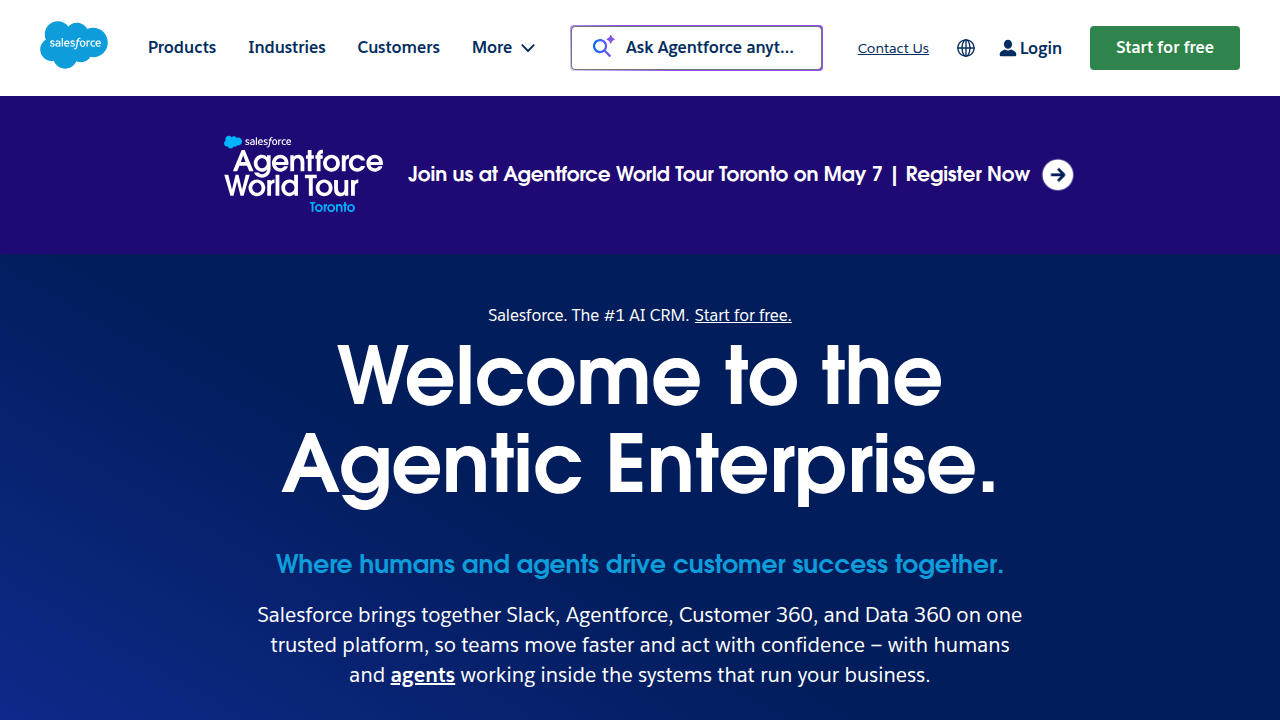
It helps you see who you’ve talked to, what was discussed, and what needs to happen next.
- Dialers: For outbound calls, agencies often use special software that helps sales representatives make many calls quickly and easily.
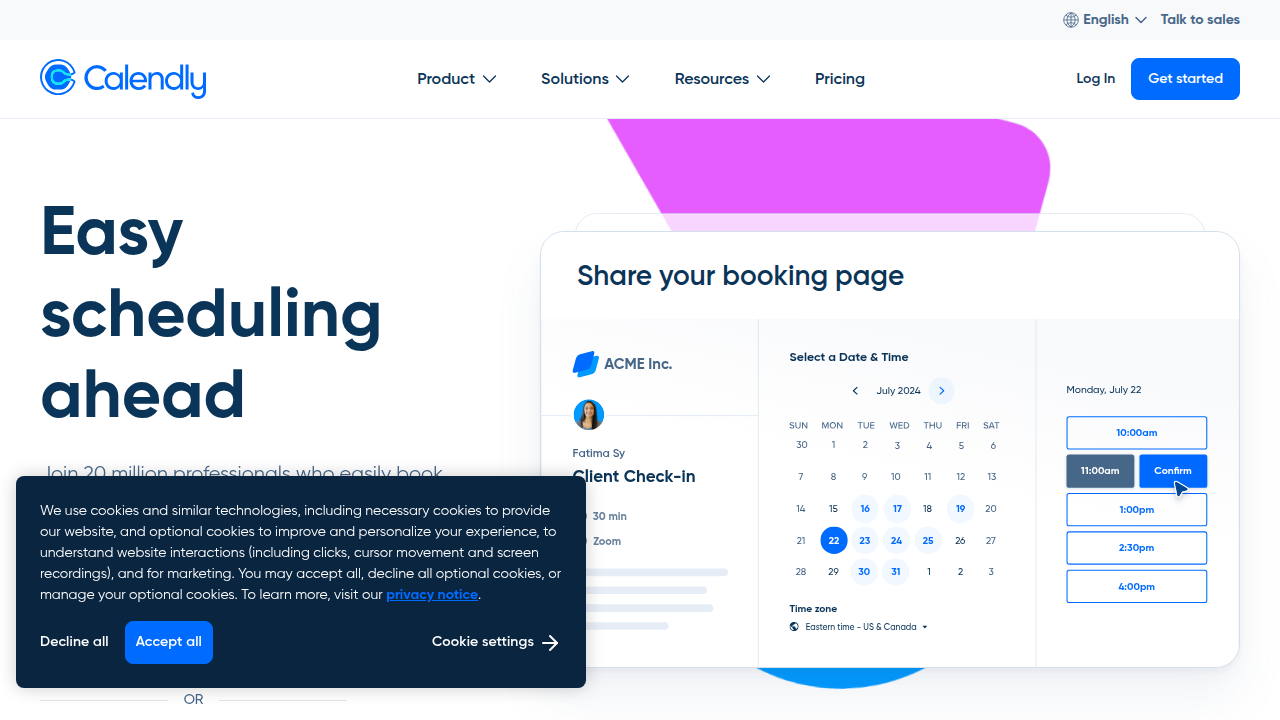
- Calendar Systems: These tools help you schedule follow-up calls and appointments with potential clients without getting things mixed up.
- Meeting Platforms: For online meetings, you’ll use programs like Zoom or Google Meet to talk with customers face-to-face, even if they’re far away.
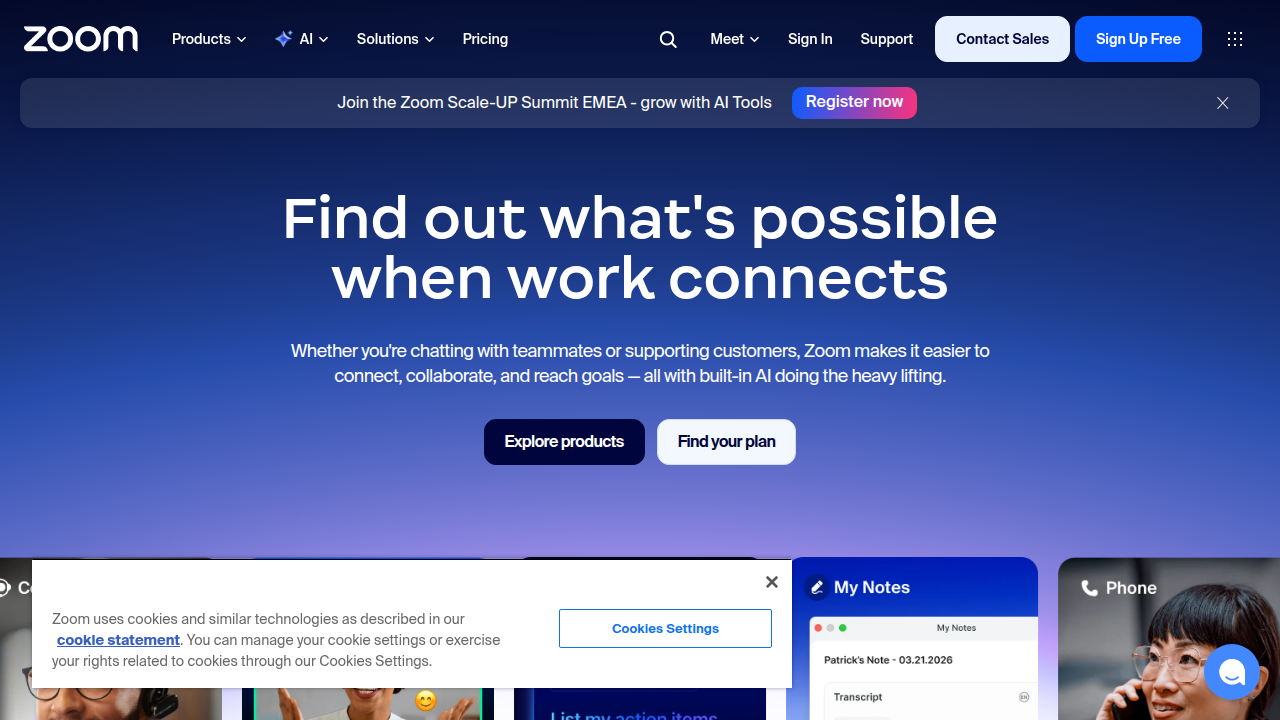
Using these tools properly is a big part of being a successful sales representative in 2026.
The Ramp-Up Period and What It Means
When you start at a direct sales agency, there’s usually a "ramp-up period." This is the time it takes for you to get fully comfortable and start hitting your sales targets consistently. It’s totally normal to need some time to get going.
During this time, your manager will usually set early goals, called "qualification thresholds." These are smaller steps to show you’re learning and improving. You might have targets for how many calls you make, how many appointments you set, or how many small deals you close. You’ll also get regular check-ins and performance coaching to help you overcome any hurdles. This support is key to building a strong sales career and succeeding in high-ticket sales.
If you’re looking to enhance your understanding of high-ticket sales and build a thriving career, mastering these concepts is essential.
Learn more about how to master high-ticket sales
Metrics, KPIs, and Realistic Income Expectations for Closers
When you work at a direct sales agency, your success isn’t just a feeling. It’s measured using special numbers called Key Performance Indicators, or KPIs. Think of them as your report card for how well you’re doing. These KPIs help the agency track how its sales team is performing overall [1], and they help you see how your efforts turn into income.
Here are the most common KPIs a direct sales agency tracks for its sales representatives:
- Conversion Rate: This number tells you how many people you talk to actually buy something. For example, if you talk to 10 people and 1 buys, your conversion rate is 10%.
- Average Order Value (AOV): This is the average amount of money each customer spends when they make a purchase. High-ticket sales often mean a high AOV, since you’re selling bigger, more valuable items like holidays or home improvements in 2026 [2].
- Calls-to-Close: How many sales calls, on average, does it take for you to make one sale? A lower number here means you’re very efficient.
- Revenue Per Closer: This is the total amount of money in sales that you bring in over a certain period. Agencies often use performance dashboards to track this kind of data [3].
- Quota Attainment: This shows how close you get to your sales goal. If your goal is to sell $10,000 and you sell $8,000, you’re at 80% quota attainment.
How These Numbers Affect Your Paycheck
Your income as a sales representative in a direct sales agency usually comes from commissions. This means you earn a percentage of every sale you make. So, your KPIs directly show how much money you can expect to make.
- Conservative Income: If your conversion rates are lower, or your average sale size is smaller, your income might be on the lower side. You’re still learning and building your skills.
- Median Income: As you get better and improve your KPIs, like closing more deals or selling higher-value products, your income will likely rise to a solid middle-ground.
- Aggressive Income: Top performers, those with high conversion rates and consistent quota attainment, can earn a very high income. This is often the goal for people in high-ticket closing.

Planning Your First 90 Days
When you first join a direct sales agency, it’s smart to have a plan for your earnings, especially during that initial "ramp-up period" we talked about earlier.
- Understand Your Goals: Your manager will set early goals for calls, appointments, and small sales. Focus on hitting these first.
- Track Your Activity: Keep a close eye on how many calls you make, how many people you talk to, and how many successful meetings you schedule.
- Watch Your Conversion: Even small wins matter. See how many of your early interactions turn into any kind of success, even if it’s just getting a potential customer to the next step.
- Estimate Your Potential: Based on your early activity and the commission structure, you can start to get a feel for what your income might look like. Your agency will help you understand these estimates and what’s realistic for a new closer in 2026.
Building a strong sales career takes time and dedication. Understanding these metrics and how they relate to your income helps you set clear goals and track your progress. To truly master high-ticket sales and boost your earnings, learning these key concepts is crucial.
How to choose a reputable direct sales agency and red flags to avoid
Choosing the right direct sales agency is a big step for your sales career. It’s like picking a good school or a trusted team. You want to make sure you’re joining a place that will help you grow and earn well. Sadly, not all direct sales agencies are good. Some might make big promises they can’t keep. So, it’s super important to know what to look for and what to stay away from.
Your Checklist for a Good Agency
When you are looking for a direct sales agency, ask these questions to make sure it’s a good fit:
- Clear Contracts: Does the agency give you a contract that is easy to understand? It should clearly state how much commission you’ll make and any other fees involved [1]. Good agencies are upfront about how you get paid.
- Real Income Claims: Do their promises about how much you can earn seem realistic? Ask to see proof or talk to other sales representatives about their actual earnings. If it sounds too good to be true, it probably is.
- Lead Sourcing: How do they find people for you to sell to? A good agency will have a clear, steady way to get you potential customers. You don’t want to spend all your time looking for leads yourself.
- Good References: Can you talk to other people who work or have worked there? Hearing from current or past sales staff can give you honest insights.
- Trial Period or Clear Expectations: Does the agency offer a trial period, or do they set clear expectations for your first few weeks or months? This helps you see if it’s the right place before you commit fully.
Red Flags to Watch Out For
Sometimes, an agency might show warning signs, also known as "red flags," that tell you it might not be a good choice [2]. Be careful if you see any of these:
- Guaranteed High Income: Be wary if an agency promises you’ll "definitely earn six figures" without any effort. No legitimate sales job can guarantee income, as your pay often depends on your performance [3].
- Up-Front Training Fees: Do they ask you to pay a lot of money for training before you even start selling? While some training can be valuable, a reputable direct sales agency often provides initial training or only charges small, clear fees for specific resources [4].
- Fake Testimonials: If all their success stories seem too perfect or hard to check, be careful. Real people have real stories, good and bad.
- Confusing Commission Rules: If the way you earn money is unclear or changes often, that’s a problem. Your pay structure should be simple and written down, showing how commissions are paid out [5].
- Pressure to Join Fast: If they push you to sign up right away without giving you time to think or ask questions, that’s a red flag. A good agency wants you to be sure.
Doing Your Homework
To protect yourself, always do some extra research. This is called "due diligence."
- Ask for Sample Pay Statements: A serious agency should be able to show you examples of what other closers have earned, so you can see how commissions work.
- Talk to More People: Don’t just rely on the people the agency introduces you to. Look for others online or through your network who have experience with that direct sales agency.
- Check Legal Details: Make sure the contract and how they operate follow the laws where you live. Every country has rules about how businesses should pay people.
Finding the right direct sales agency sets you up for success in your sales career. By staying alert for these red flags and doing your homework, you can find a place where you can truly thrive. If you’re looking to master these skills, learning about strategies to grow your sales knowledge can also help you choose a better fit. To learn more about getting started, check out our guide on how to start a high-ticket sales career in 2026.
Summary
This article explains what direct sales agencies do and how they power high-ticket selling in 2026, showing you clear paths into remote commission-based roles. It describes common business models (outsourced, in-house, hybrid), the typical team roles from lead generators to closers and account managers, and why companies hire agencies to sell big-ticket items. You’ll learn how agencies source leads, the tools and training closers receive, and the usual commission structures including percentage splits, tiered pay, and base-plus-commission setups. The guide also covers key KPIs—conversion rate, AOV, calls-to-close—and how they map to realistic income expectations during the ramp-up period. Practical advice shows what to look for in contracts, how to negotiate pay, and which red flags to avoid. After reading, you’ll be able to evaluate agencies, understand compensation mechanics, and plan your first 90 days as a high-ticket closer.
Keep learning about closing and income