
Introduction
Have you ever wished you could earn real money without working a full 40-hour week? You are not alone. The rise of remote work has opened doors that did not exist a few years ago, and part time sales is now one of the best ways to build serious income on your own schedule.

Here is the thing. In 2026, the sales job market is active and growing. Companies are hiring for everything from account executives to sales development representatives, and many of these roles offer flexible hours. According to the 2026 Sales Hiring Forecast from SalesTalent.com, replacement hiring alone keeps demand high even before companies expand their teams. That means opportunity for you.
But here is where most people get stuck. The path to landing a solid part time sales role feels unclear. Maybe you have looked at part time remote jobs and felt overwhelmed. Or you have considered part time retail sales jobs and wondered if the pay is worth it. You might have even searched for a retail sales associate part time position but worried about inconsistent income. And with so much advice floating around, it is hard to know who to trust.
The good news? Remote and hybrid sales jobs are growing in 2026, and you do not need years of experience to get started. Seasonal and part-time opportunities are expected to spike with major events like the World Cup, so the timing has never been better.
This guide gives you a research-backed, step-by-step blueprint. You will learn exactly how to find a part time sales role that fits your life, land the job, and start earning commissions that actually make a difference.
Ready to build the flexible income you deserve? Explore our full library of resources to get started.
Understanding Part-Time High-Ticket Sales Opportunities
Before you start applying, it helps to understand what high-ticket sales actually means. This is not your typical retail sales associate part time position where you ring up items for minimum wage. High-ticket sales involves selling products or services that cost $1,000 or more. Think software subscriptions, coaching programs, business consulting packages, or high-end event tickets. Because the price is high, the commissions can be substantial. A single sale could earn you more than a full week at a traditional hourly job.
Most high-ticket roles use commission-only or base-plus-commission pay. You get paid based on results, not hours. That is why these opportunities work so well as part time remote jobs. You control your schedule and your income depends on your effort and skill.
Companies hiring for part time sales in 2026 are actively looking for people to fill several common roles. According to a 2026 sales roles trend report, specialization is increasing, and many firms now break the sales process into distinct positions.
Here are the roles you will see most often in the high-ticket space:
- Appointment setter. Your job is to book qualified meetings for a closer. You do not need to close the deal yourself. This is often the best entry point if you are new to part time sales.
- Junior closer. You handle smaller deals or take over after an appointment is set. You learn the closing process with a lower pressure environment.
- Full-cycle closer. You find leads, build relationships, and close deals from start to finish. This role offers the highest commissions but requires more skill.
- Client success (with upsell). After a deal is closed, you ensure the client is happy and look for opportunities to sell additional products or services. This role blends customer service with sales.
The geographic focus for these roles is clear. Most remote part time high-ticket positions target candidates in the US, UK, Canada, Australia, and New Zealand. Why? English fluency and overlapping time zones make communication smoother. Remote and hybrid sales roles continue growing in these markets in 2026, creating a strong pipeline of opportunity.
If you are wondering whether these roles match your goals, take a closer look at what a high-ticket closer actually does and how the career path works. Understanding the difference between appointment setting and closing can help you choose the right starting point.
The best part? You do not need a college degree or years of corporate experience. Companies care more about your ability to learn and communicate. And with seasonal hiring spikes expected in 2026, especially around major events, doors are opening wider than ever.
Explore our full library of resources to learn more about breaking into high-ticket sales.
The Earning Potential: Commissions, Residuals, and Realistic Income
Now let’s get straight to what you really want to know. How much money can you actually make with part time sales?

The short answer is a lot more than most part time retail sales jobs. But the long answer depends on three things: your commission model, your niche, and your skill. Let’s break it down so you know what to expect.
The Three Main Commission Models
High-ticket sales roles typically use one of three pay structures.
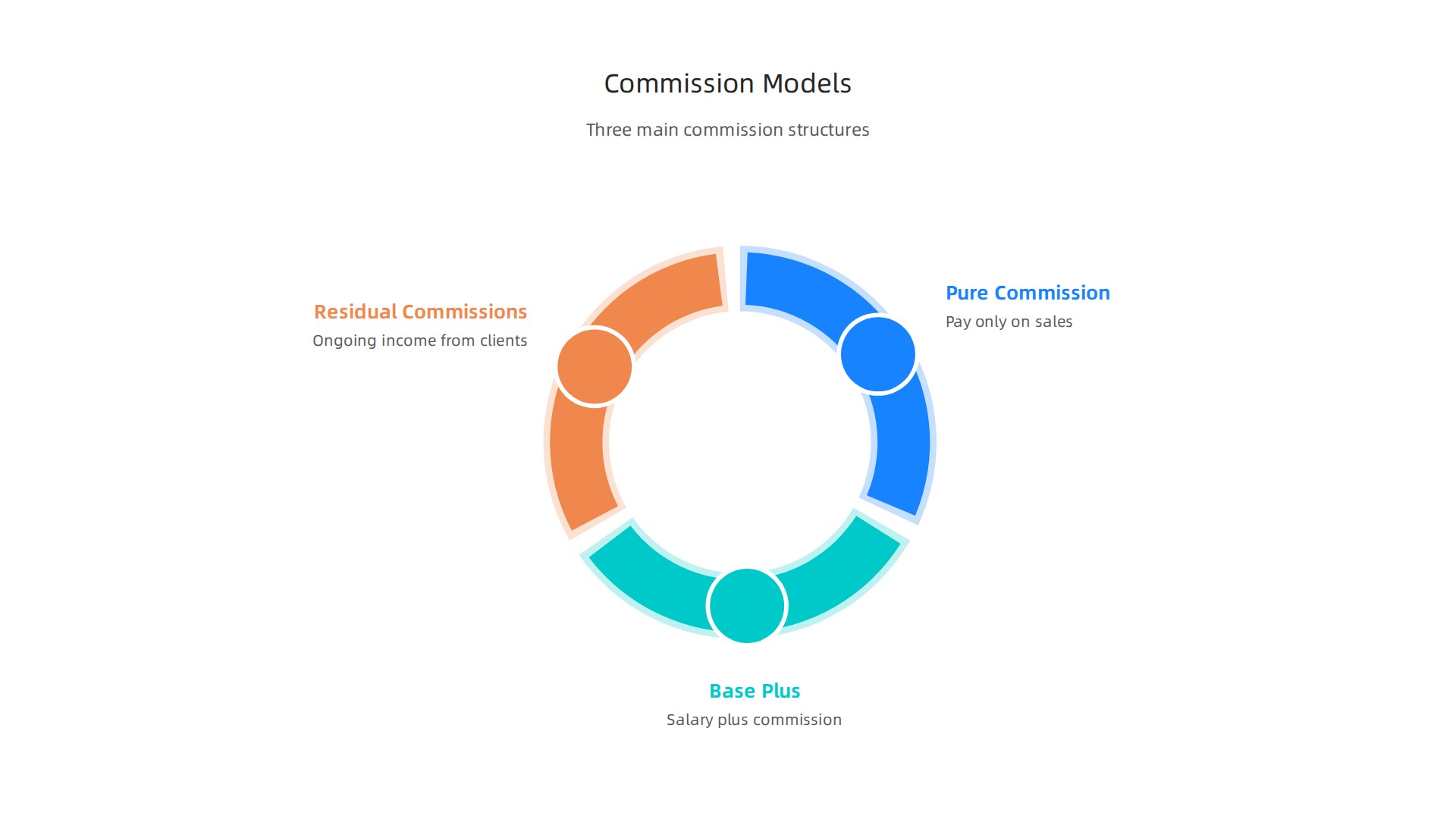
Pure commission. You earn a percentage of every sale you close. No base salary. This sounds risky, but the commission rates are higher to make up for it. In 2026, average sales commission rates range from 5% to 15% depending on the industry. Software-as-a-service (SaaS) roles often land around 12% due to deal complexity, according to industry data on average sales commissions. If you sell a $5,000 coaching package at 10%, that is $500 in your pocket from one deal.
Base plus commission. You get a modest hourly or salary base plus a lower commission rate. This is common for junior closers and appointment setters. The base covers your stability. The commission adds upside. Many companies using this model structure commissions in tiers. Hit a higher quota and your rate increases. Tiered commission structures raise your payout percentage as you hit performance thresholds.
Residual commissions. This is where things get interesting. Some high-ticket products, especially SaaS subscriptions and membership programs, pay you every month the client stays. You close one deal and collect a small percentage each month for months or even years. Those residuals stack up fast.
Realistic Income Ranges for Part-Time Work
Here is the honest truth. With 15 to 25 hours per week, beginners typically earn $3,000 to $5,000 per month in their first 90 days. Experienced closers working the same hours often pull $8,000 to $10,000 per month or more.
Why the big range? It comes down to a few key factors.
What Actually Affects Your Earnings
Average deal size. Higher ticket items mean bigger commissions per sale. A $10,000 deal at 8% commission gives you $800. A $2,000 deal at the same rate gives you $160. Focus on niches with larger deal sizes.
Conversion rate. This is the percentage of people you talk to who actually buy. A 20% conversion rate on 10 calls is 2 sales. A 30% rate on the same volume is 3 sales. Improving your closing skills directly boosts income. That is why mastering high-ticket sales training matters so much.
Lead quality. Are you talking to people who already want the product? Or cold leads who need convincing? Better leads mean higher conversion rates and less wasted time. Companies that provide warm leads make your job easier.
Commission percentage. This varies by role and industry. Sales commission rates typically fall between 5% and 20% of sale value, according to industry benchmarks from 2026. Appointment setters earn a lower percentage per deal but close more volume. Closers earn a higher percentage but handle fewer conversations.
The beauty of part time sales is that these levers are all within your control. Choose the right niche. Improve your skills. Work with quality leads. And your income grows.
Browse our full library of resources to find guides on commission structures, closing techniques, and niche selection that can boost your monthly earnings.
How to Find and Land Part-Time Sales Jobs in 2026
You now know how much you can earn in part time sales. But where do you actually find these jobs? And how do you stand out when you apply?
The search for part time remote jobs in sales is different from looking for a typical part time retail sales jobs. You are targeting companies that sell high ticket products or services. And you need a strategy that goes beyond submitting your resume on a job board.
Let me walk you through the best places to look and the smartest way to land a role.
The Best Platforms for Part-Time Sales Jobs
Start with dedicated remote job boards. Sites like Remote.co and NoDesk curate listings from companies that are already remote friendly. Platforms like Indeed and ZipRecruiter are also reliable sources for entry level sales roles. Many of these let you filter by part time and commission based.
LinkedIn is another must use tool. Set your profile to show you are open to part time sales work. Follow hashtags like #highcloser and #remotesales. Connect with hiring managers at companies you admire.
Niche sales communities can give you an edge. Sites like SalesJobs.com and Wellfound (formerly AngelList) are used directly by startups and sales teams looking for closers. Upwork also lists many online sales freelance jobs that can be part time.
Use Direct Outreach to Get Noticed Faster
The best jobs often aren’t posted publicly. Companies that hire part time sales reps are constantly looking for talent. So skip the application black hole and reach out directly.
Here is a simple process:
- Identify target companies. Use tools like Apollo to find businesses that sell high ticket products in your niche.
- Find the decision maker. Look for the VP of Sales, Head of Sales, or founder on LinkedIn.
- Send a value-added cold email. Do not ask for a job. Instead, share a specific observation about their sales process and offer one helpful suggestion. Then mention you are exploring part time closing roles.
This approach shows initiative. It also proves you already think like a salesperson. Companies like Salesfolks help businesses find top sales professionals, but you can also position yourself so they come to you.
Craft a Sales-Ready Resume and Portfolio
Your resume must demonstrate results. Numbers matter more than job titles.
| What to Include | Example |
|---|---|
| Conversion rates | "Closed 22% of leads in a 90 day trial period" |
| Revenue generated | "Produced $45,000 in sales during first quarter" |
| Role play ability | "Completed 50+ mock calls with consistent objection handling" |
If you are just starting, create a portfolio of role play recordings. Record yourself handling common objections. Share that link on your resume and LinkedIn profile. It proves you can do the work before you are hired.
Also, mention any relevant training you have completed. If you have taken a high-ticket sales training program, list it. That shows you are serious about the craft.
Remember, companies hiring for part time sales want someone who can start generating revenue quickly. Prove you are that person.
Read more articles on finding and landing high-ticket sales roles
Essential Skills and Training to Succeed
Finding the right part time sales job is only half the battle. The real challenge happens when you get on a call with a prospect. Do you know what to say? Can you handle their objections? Do you have the skills to actually close the deal?
The truth is, high ticket sales is a skill game. You cannot just talk fast and hope for the best. You need a specific set of abilities. And you need the right training to develop them. Let’s break down what you actually need to learn to succeed in part time sales in 2026.
The Must-Have Skills for Part-Time Sales
Every successful closer masters a few core skills first.
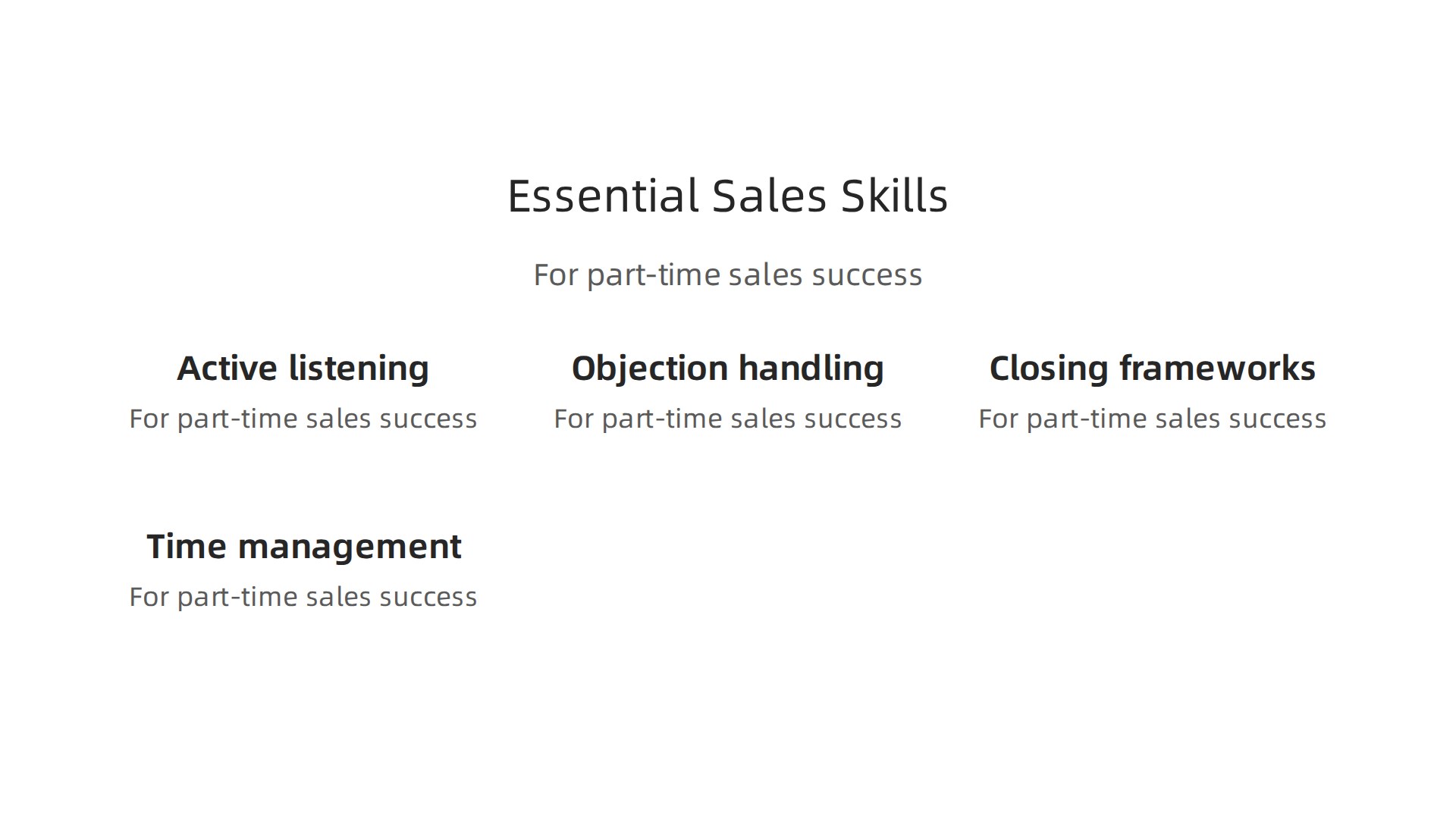
Active listening is the most important one. You must understand what the prospect really needs before you try to sell them anything. Ask questions. Listen more than you talk.
Objection handling is next. When someone says it is too expensive, or they need to think about it, you need a calm response ready. You cannot get flustered. High ticket sales requires sharpening your skills in persuasion and emotional intelligence to overcome these objections smoothly.
Closing frameworks give you a roadmap. Many top closers use methods like Sandler or Challenger. These are simple steps that guide the conversation from start to finish. They help you build value and ask for the sale at the right moment.
Time management is critical for part time remote jobs. You only have a few hours each day to work. You must use them wisely. Focus on the highest value activities. Block out distractions. Treat your part time hours like gold.
Mastering these fundamentals is the foundation of a long sales career. You cannot skip this step.
Invest in Training and Certifications
You do not have to figure this out alone. The fastest way to build skills is through structured training.

Good programs teach you the exact language to use. They show you how to build value with high ticket buyers. And they help you avoid common rookie mistakes.
If you are serious about moving beyond basic retail sales associate part time roles, you need specialized training. Look for programs that focus specifically on high ticket closing. This high-ticket sales training program is designed to build the exact skills you need to maximize your commissions.
Learning sales fundamentals through a structured course is much faster than trial and error. You also need the right digital tools to manage leads and track your calls. A high ticket closer relies heavily on tools like CRM systems and call recording software to stay organized.
Practice Through Role-Playing and Mentorship
Reading about sales is not enough. You have to practice out loud.
Role-playing with a peer helps you find the weak spots in your pitch. It builds your confidence before you talk to real prospects. Record yourself. Listen back. Improve each time.
Finding a mentor can cut your learning curve in half. An experienced closer has already made every mistake you will make. They can give you direct feedback. Getting exposure to real sales calls through a mentor is one of the fastest ways to improve.
This hands-on practice is what separates people who just try sales from people who build a real career in part time sales. Start practicing today. Find a training program. And connect with someone who has already done what you want to do.
Read more guides on building your closing skills
Tools of the Trade: CRM, Dialers, and Scripts
Having the right skills is important, but you also need the right tools to do the job. Without them, you will waste time tracking leads in a notebook or manually dialing numbers. That slows you down. And when you work part time sales, every minute matters.
A high ticket closer remote relies heavily on digital tools to manage leads, host sales calls, and track conversions. Let’s look at the core tools you need.
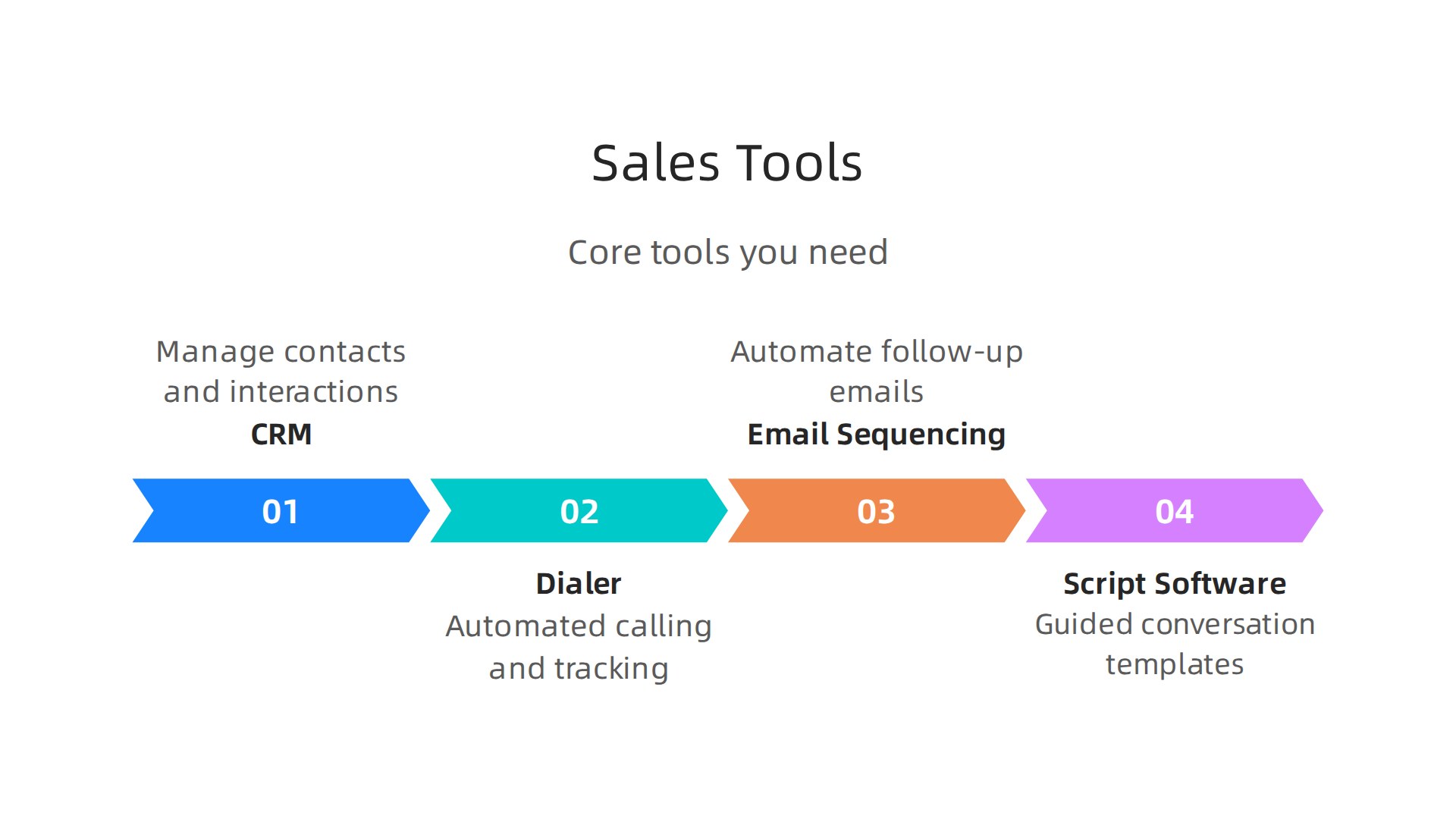
CRM (Customer Relationship Management)
A CRM is your main brain. It stores every prospect’s name, phone number, email, and notes from your calls. Popular options include HubSpot and Salesforce.
Both have free tiers that work great for part time roles. You do not need the paid version when you are just starting. The free version lets you log calls, set follow-up reminders, and organize your pipeline.
Dialer
A dialer tool like Aircall or Dialpad lets you make calls from your computer using an internet connection. It shows you who is calling and records your conversations. Recording your calls is gold. You can play them back later to see where you can improve. Many dialers also have a power dialer feature that calls through a list automatically. That saves you time.
Email Sequencing
Most high ticket sales involve follow-up emails. Tools like Mailshake let you create sequences of emails that send automatically. You write one email, and it goes out a day later, then another a week later. This keeps you top of mind without you doing the work each time. Many email tools also have free plans for a small number of contacts.
Script Software
A script is your guide during a call. Software like Scriptly shows you the next step to take live on your screen. You do not have to memorize everything. The script prompts you with questions and talking points. This is especially helpful for beginners in part time sales.
How to Choose Tools That Fit Your Schedule and Budget
The best part? Many of these tools are free up to a certain number of users or contacts. You do not have to spend a dime to start. Look for free tiers first. Only upgrade when you need more features.
Setting up a business email is another key tool you should have in place before you start calling. It makes you look more professional than using a personal Gmail account.
The Role of Automation
Automation handles the boring stuff. Your CRM can automatically send a follow-up email after a call. Your dialer can schedule your next call block. Your email sequence can pause if a prospect replies. This all happens without you lifting a finger. For part time remote jobs, automation is your best friend. It lets you spend your limited time talking to people instead of managing data.
Start simple. Pick one CRM and one dialer. Learn them well. Then add email sequencing and scripts later. You do not need all the tools on day one.
Want more details on building your sales toolkit? Browse our guides to sharpen your closing skills.
Overcoming Common Challenges: Time Management, Confidence, and Isolation
Even with great tools, working in part time sales comes with real struggles. You have limited hours, you may doubt yourself, and you work alone. Here is how to handle each one.
Time Management: Make Every Minute Count
When you work part time, you cannot afford to waste time. Time blocking is a proven method.

Set a block for calls, another for follow-ups, and another for admin. Batch similar tasks so your brain stays in one mode. For example, make all your calls between 10 AM and 12 PM. Then send all emails from 12 to 1. Follow these remote sales productivity hacks to protect your schedule. Treat your work hours like meetings you cannot skip.
Confidence: Beat Imposter Syndrome
Many new closers feel like frauds. They think they are not good enough. That is normal. The key is to reframe failure. Every lost deal teaches you something. Write down your small wins each day. Even a good conversation counts. Over time, your belief will grow. Also find a peer group. Other sales people understand what you go through. If you are new to this field, check out this guide on how to start a high ticket sales career in 2026 to build your foundation.
Isolation: Stay Connected While Working Remote
Working from home can feel lonely. Unlike part time retail sales jobs where you have a team around you, remote sales means you are on your own. Combat isolation by joining online sales communities. Look for groups on Slack or Discord. Some closers even use virtual co-working rooms where you work alongside others on video. It helps you feel less alone. Also schedule short breaks to talk to friends or step outside.
Remember, these challenges are part of the journey. Everyone faces them. By managing your time, building your confidence, and staying connected, you can thrive in high ticket part time remote jobs.
Want more strategies? Read More articles on our blog to keep your skills sharp.
Industry Trends Shaping Part-Time Sales in 2026
The part time sales world is changing fast. Knowing these trends helps you stay ahead. Here are the biggest shifts happening in 2026.
AI Tools Give You Superpowers
You do not need to be a tech genius. AI tools now handle the boring stuff. They can score leads for you. They can send follow-up emails automatically. This saves you hours every week. For someone working part time remote jobs, this is a huge advantage. You focus only on closing. Sales roles in 2026 rely heavily on AI to boost productivity. Use these tools to work smarter, not harder.
Outcome-Based Pay Is the New Standard
Forget the hourly wage. More companies now offer pure commission for part-time closers. The upside? The split is much higher. You keep a bigger piece of every deal. This is different from traditional part time retail sales jobs where your time is traded for a flat rate. In 2026, companies want performance. They are ready to pay for it. Low performers are moved out faster, but skilled closers earn top dollar.
The Rise of Sales-as-a-Service
You can now work as a freelance closer for multiple companies. This is called Sales-as-a-Service. It gives you variety and security. If one client slows down, you have others. This model is perfect for a flexible retail sales associate part time approach, but with much higher earnings potential. Platforms like Upwork show thousands of open sales contracts right now.
If you are ready to take advantage of these trends, you need the right skills. Check out our guide to starting your high-ticket sales career in 2026 to build a strong foundation.
These trends show that part time sales in 2026 is full of opportunity. The market is shifting in your favor.
Read More articles on our blog to keep your skills sharp.
Summary
This guide explains how to start and succeed in part-time high-ticket sales in 2026, showing why these roles can pay far more than typical retail part-time jobs. It defines common roles (appointment setter, junior and full-cycle closer, client success), breaks down commission models (pure, base-plus, residual) and gives realistic income ranges for 15–25 hours per week. You’ll learn where to find part-time remote sales jobs, how to use direct outreach to get noticed, and what to include in a results-focused resume and portfolio. The article covers the must-have skills—active listening, objection handling, and closing frameworks—plus recommended training, role-play practice, and mentorship. It lists the core tools (CRM, dialer, email sequencing, scripts) and shows how automation can save hours. Finally, it addresses common challenges like time management and isolation and highlights 2026 trends such as AI, outcome-based pay, and Sales-as-a-Service that shape future opportunities.