How to Get Riley Green Concert Tickets in 2026: The Insider’s Guide

Introduction: The High-Stakes World of High-Ticket Concert Access
You know the feeling. You get the alert, the tickets go on sale, and you click as fast as you can. But in what feels like seconds, the page just says "Sold Out." That moment, especially when you’re trying to get a Riley Green concert ticket, can be super frustrating.

Actually, you’re not just fighting other fans. You’re up against a high-stakes market where demand is sky-high and seats are limited. This isn’t just about country music. This same rush happens for a Beyoncé concert ticket, drives up Bruno Mars ticket prices, and makes getting Philadelphia Eagles tickets or Sphere Experience tickets feel like winning the lottery.
Here’s the thing. The scramble for these premium experiences isn’t random. It’s a perfect, real-world lesson in high-ticket sales. Whether it’s a sought-after concert or a high-value business deal, success comes down to three things: having the right strategy, knowing how to get access, and navigating scarcity.
In 2026, the country music scene is packed with major tours, making tickets more competitive than ever. Guides to the biggest tours emphasize the need for a plan to get the best seats at a fair price. For sales professionals, understanding this frenzy is powerful. It teaches you about perceived value, urgency, and what it truly takes to close a deal when something is in high demand.
This guide has two goals. First, we’ll give you clear, actionable steps to improve your chances of getting those hot tickets. Second, we’ll pull back the curtain on the sales principles at play. The tactics you use to secure a concert seat are the same fundamentals that drive success in high-ticket sales. If you want to dive deeper into mastering those sales strategies for your career, our comprehensive guide on mastering high-ticket sales is the perfect next step.
Let’s get started.
Understanding the Riley Green Concert Ticket Ecosystem in 2026
Think of getting a Riley Green concert ticket like navigating a busy marketplace. There are official stores and there are resale booths. Knowing which aisle to walk down, and when, is everything.
First, you have the primary market. This is where tickets are first sold, directly from the source. For most big tours, this means platforms like Ticketmaster or Live Nation. Buying here at the official on-sale time gives you the best chance at face-value prices. It’s the first, and often fastest, wave of the ticket lifecycle.
Then there’s the secondary market. When primary tickets sell out, they often reappear on resale platforms like Vivid Seats or SeatGeek. Here, prices are set by sellers, not the venue, and they float with demand. This is where you might find a last-minute seat, but often at a premium.
So, what drives that demand and pricing? A few key things:
- Tour Schedule & Competition: In 2026, the country music scene is packed. Guides list major tours from big names, creating huge demand for a limited number of summer weekends and prime venues. When fans are choosing between several tours, an artist’s specific schedule becomes critical.
- Venue Size: A Riley Green show at a 5,000-seat amphitheater will sell out faster and command higher resale prices than a show at a 20,000-seat arena. Scarcity is built right into the building.
- Fan Loyalty: Dedicated fan club members often get first access through presales. This loyalty is rewarded with early access, shaping which tickets are even available to the general public later.
Understanding this ecosystem is a practical lesson in high-stakes sales. The principles of scarcity, timing, and perceived value that dictate Bruno Mars ticket prices or Sphere Experience tickets are the same ones that drive success in closing major deals. For a deeper look at applying these principles professionally, explore our guide on mastering high-ticket sales.
Now, let’s walk through the typical lifecycle of a concert ticket:
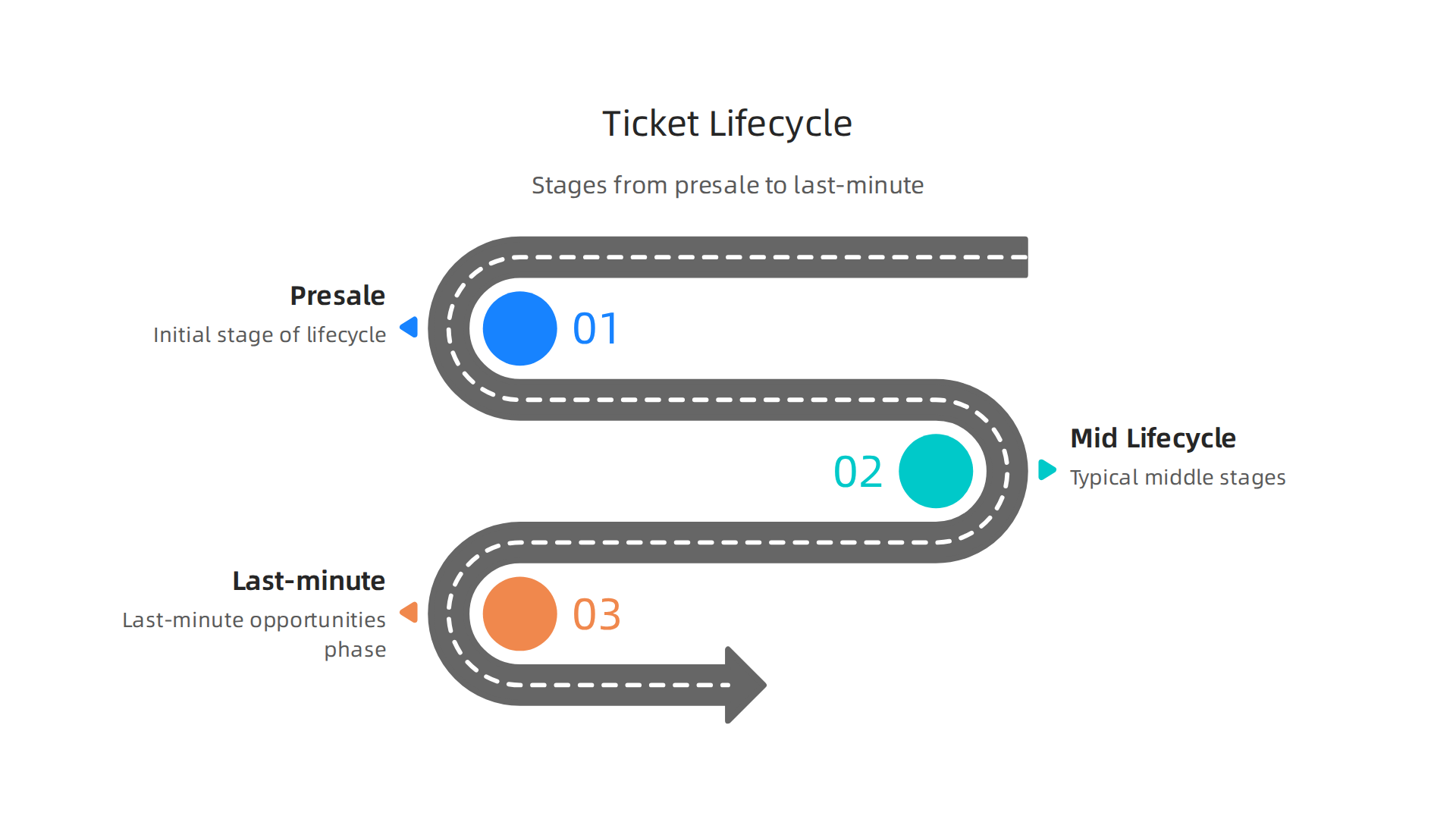
- Presale: This is the first window, often for fan club members, credit card holders, or venue mailing lists. A chunk of the best seats disappear here.
- General Public On-Sale: The main event. Tickets are released on primary platforms. The best seats can be gone in minutes, sometimes seconds.
- Secondary Market Fluctuation: Immediately after selling out, prices on resale sites spike. They may then dip as the event approaches and sellers get anxious, before potentially spiking again last-minute.
- Last-Minute & Day-Of: This is a wild card. Sometimes you can find surprising deals as sellers drop prices to avoid a total loss. Other times, if demand is still white-hot, prices stay high.
By mapping this out, you can strategize. Do you buy during the presale frenzy? Do you wait for a potential dip on the secondary market? Knowing the ecosystem gives you the power to decide.
Official Sources: The First Line of Defense for Ticket Buyers
Your best shot at a fair price for a Riley Green concert ticket is to go straight to the source. Buying from official partners is like getting a product from the factory store, not a random booth in the market. It’s safer, often cheaper, and gives you the first pick.
In 2026, the official ticketing landscape for major country tours like Riley Green’s is dominated by a few key platforms. You will most often find tickets first on Ticketmaster or through its parent company, Live Nation. Some venues or specific shows might use other primary sellers like AXS. These sites are the authorized retailers, so your purchase is protected.
How to Prepare for Battle (Because It Is One)
With country music tours being more popular than ever in 2026, you need a plan. Guides list massive tours competing for your attention and wallet. Here’s how to get ready:
- Find the Official Links: Always start on Riley Green’s official website or social media. They will post the legitimate links for presales and the general on-sale. Do not click on random ads.
- Create Accounts Now: If you don’t have accounts on Ticketmaster or Live Nation, create them today. Save your payment information. On sale day, seconds matter. Typing your credit card number is a luxury you cannot afford.
- Know the Presale Ladder: Before the general public gets a chance, tickets are released in waves:
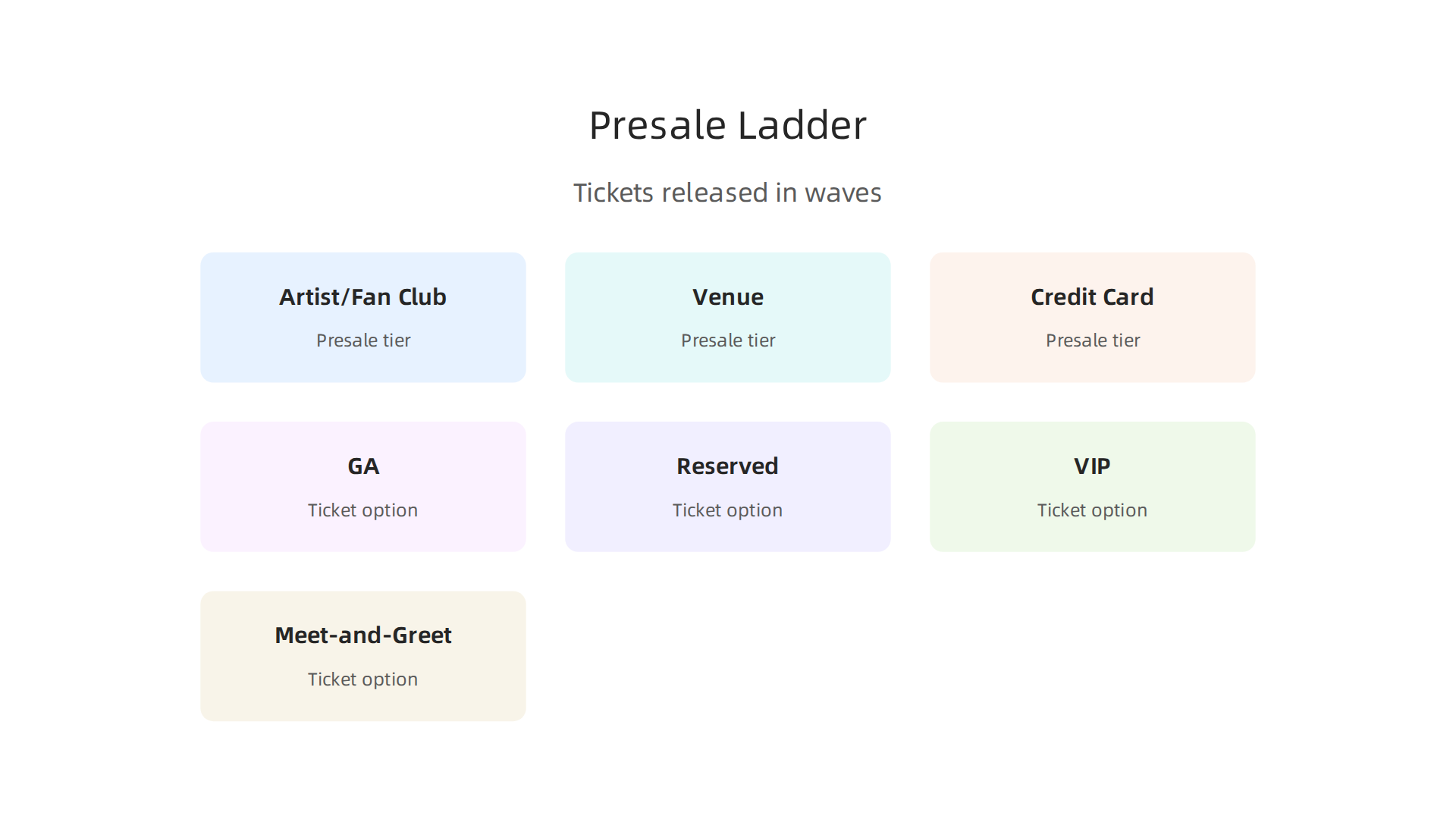
*   **Artist/Fan Club Presale:** Often the first and best access. You might need a code from joining his mailing list or fan club.
*   **Venue Presale:** For people on the venue's email list.
*   **Credit Card Presale:** For holders of specific cards (like American Express or Citi).
*   Sign up for all relevant lists ahead of time to get these codes.
Understanding Your Ticket Options
Not all tickets are created equal. Knowing the tiers helps you decide what’s worth it for you.
- General Admission (GA): This is often the pit or floor area with no assigned seats. It’s for fans who want to be closest to the stage and don’t mind standing. It sells out incredibly fast.
- Reserved Seating: Your standard assigned seat in the stands. Prices vary wildly based on section (front row vs. upper deck).
- VIP Packages: These are premium upgrades. They might include things like a better seat, early entry, exclusive merchandise, or a commemorative laminate. They are priced much higher but offer a more unique experience.
- Meet-and-Greet: The ultimate fan experience. This is a separate, very expensive add-on that typically includes a photo and brief moment with the artist. These are extremely limited.
Getting a Riley Green concert ticket at face value is a test of strategy and speed, much like securing a hot commodity in any high-demand market. The principles of preparation, understanding value tiers, and acting decisively apply here just as they do in mastering high-ticket sales. Your first move should always be to the official source. It’s your strongest defense against overpaying and scams.
Strategic Purchasing: Timing, Tools, and Tactics
Knowing where to buy your Riley Green concert ticket is half the battle. The other half is knowing when to buy and how to outsmart the crowd. Getting a good seat at a fair price isn’t just about luck. It’s about smart strategy. This is true whether you’re after a Riley Green concert ticket, a Beyoncé concert ticket, or tickets to a must-see game. The principles are the same.
Let’s break down the three pillars of strategic buying: timing, technology, and your budget.
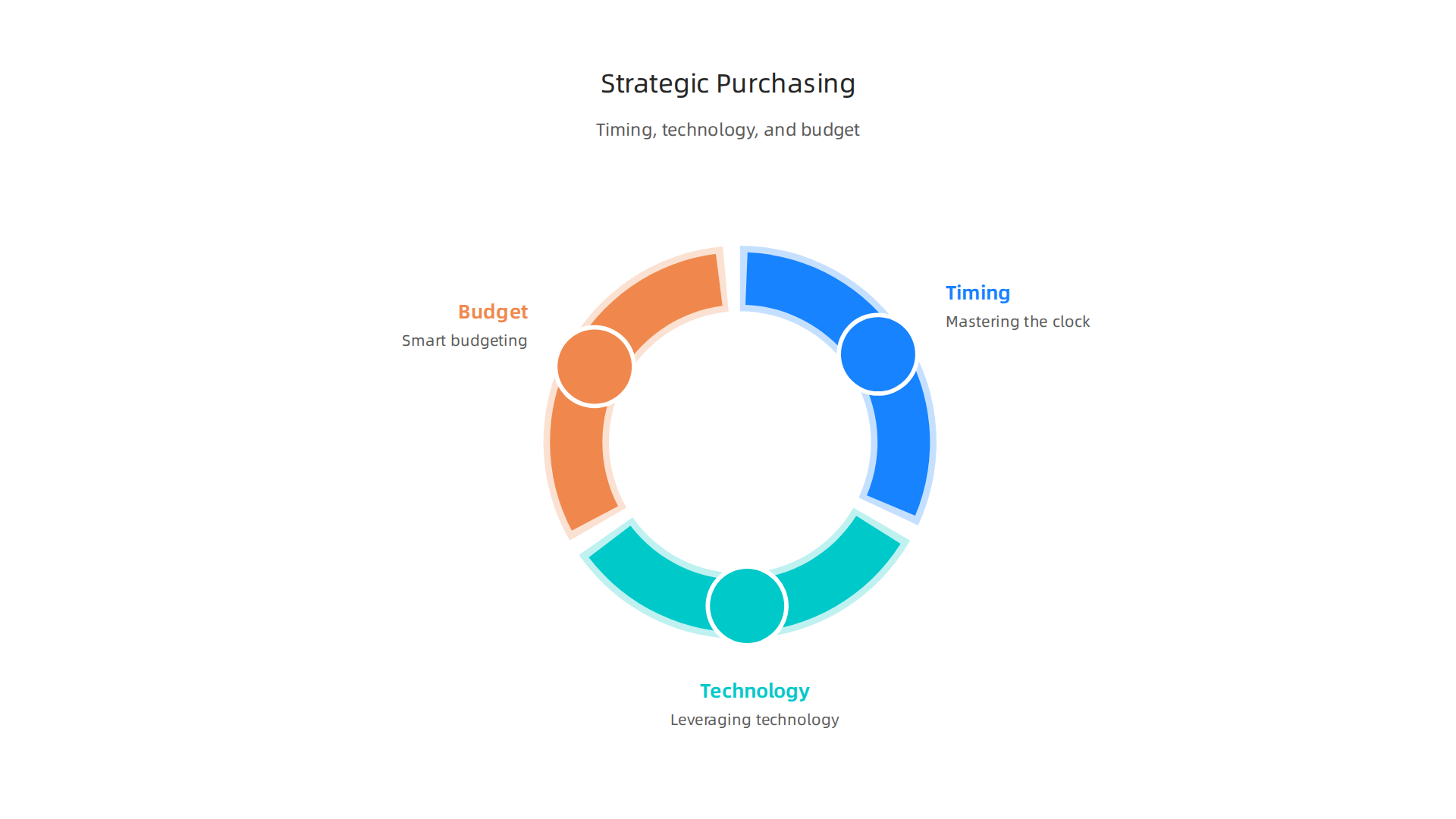
Master the Clock: When to Pull the Trigger
Timing is everything in the ticket game. There are key moments when your chances are best.
- The Presale Gold Rush: This is your absolute best shot. As we mentioned, presales happen before the general public gets access. Being ready with those codes from the fan club, venue, or your credit card is how you get first pick before the rush. Tickets are most plentiful here.
- General On-Sale Minute One: If you miss the presales, this is your next big chance. Be logged into the official ticket site with payment info saved at least 30 minutes before the sale time. Use multiple devices if you can.

The first 10 minutes are chaotic, but tickets are still at face value.
- The Calm After the Storm: If a show seems sold out, don’t panic. Wait a day or two. Sometimes holds are released, or carts expire, putting tickets back into the pool. Check the official site again.
- Last-Minute Opportunities: For the flexible fan, checking again in the 24-48 hours before the show can sometimes yield deals. This is risky for must-see events, but primary sellers sometimes release held production tickets very late.
Leverage Your Tech Arsenal
You are not alone in this fight. Use technology to be your eyes and ears.
- Ticket Alert Apps and Websites: Services like Ticketmaster’s own "Favorite Artist" feature can notify you the moment a new show is announced or tickets go on sale in your area. Set these up as soon as a tour is rumored.
- Browser Tools: Use a browser that runs smoothly and consider disabling unnecessary extensions on sale day to maximize speed. Every millisecond counts when clicking for seats.
- Payment Pre-Setup: This cannot be stressed enough. Save your credit card info to your Ticketmaster or Live Nation account before the sale. Typing in digits is a luxury that will cost you your spot. Think of it like preparing for a big play; you need your tools ready to go.
Budgeting Smart: Balancing Cost and Experience
Finally, have a plan for your money before you see the prices. This stops you from making a panicked, expensive choice.
- Decide Your Max Price Point: Before sales start, decide the absolute most you will pay for a ticket, including all fees. Stick to this number.
- Balance Cost Against Value: What experience do you want? Is being in the loud, energetic crowd worth a General Admission ticket price? Or would you rather have a guaranteed, comfortable seat with a great view for less? There’s no wrong answer, but knowing your preference helps you filter options fast.
- Think Beyond the Ticket: Remember, the ticket price is just part of the cost. Factor in parking, merchandise, or dinner. Your total budget should account for the whole night.
- Embrace the High-Ticket Mindset: Securing a great seat to a high-demand event is a lot like closing a high-value deal. It requires research, timing, negotiation (with yourself on budget), and decisive action. The strategic thinking used for a major purchase is the same thinking that gets you a better concert experience. For more on that strategic mindset, you can explore this guide on mastering high-ticket sales.
By combining perfect timing, the right tech tools, and a clear budget, you transform from a hopeful fan into a strategic buyer. This approach works for Riley Green, Bruno Mars ticket prices, or even scoring those elusive Philadelphia Eagles tickets. You’re not just buying a ticket, you’re investing in an unforgettable experience. Plan like a pro.
Navigating the Secondary Market Safely and Smartly
Sometimes, despite your best strategic efforts, you miss the initial sale. Maybe the Riley Green concert tickets sold out in minutes, or the Beyoncé concert ticket you wanted was just out of reach. This is where the secondary market comes in. It can be a lifeline to the show you’re dying to see, but it can also be a minefield of overpriced tickets and potential scams. The key is knowing how to shop it safely and smartly.
First, you need to know that buying from resellers is a valid part of the ecosystem. A 2025 report noted that consumers can find value, with some fans saving millions on below-face-value tickets for less popular events. However, for a high-demand Riley Green concert ticket, you’re more likely to face a markup. Recent government actions, including a 2025 executive order, have called for greater enforcement and transparency in this space to protect you. Your job is to be an informed buyer.
Step 1: Pick Your Platform Wisely
Not all resale sites are created equal. Think of it like choosing where to buy a used car. You want a reputable dealer with guarantees.
- Official Marketplace Partners: These are your safest bet. Look for links labeled "Official Resale" on the primary seller’s site (like Ticketmaster). Tickets sold here are usually verified and transferred directly into your account. You pay more, but the "get in the door" guarantee is strongest.
- Major Dedicated Resale Sites: Established platforms like StubHub or Vivid Seats have strong buyer protection policies. They often guarantee that you’ll get a valid ticket or your money back. This safety net is crucial.
- Social Media & Classifieds (Proceed with Extreme Caution): Buying a Philadelphia Eagles ticket from a stranger on Facebook or Craigslist is high-risk. There’s little recourse if the ticket is fake. If you must go this route, use secure payment methods with purchase protection and insist on a safe, official transfer method—never just a screenshot of a barcode.
Trust Signals to Look For:
- A clear, detailed buyer guarantee or "FanProtect" policy.
- Transparent, all-in pricing that shows the full cost before checkout (a focus of recent state consumer protection laws).
- Secure, official digital ticket transfer through the venue’s or team’s app.
Step 2: Verify Before You Buy
A listing is just a promise. You need to verify the product.
- Understand the Delivery Method: Legitimate sellers will transfer the ticket digitally to your email or phone number via the official platform (e.g., Ticketmaster transfer, MLB Ballpark app). You should receive an email from the official service, not just the seller. Be wary of anyone offering to email you PDF tickets directly for a major event; these are often easy to fake or sell multiple times.
- Check the Seller’s History: On larger resale platforms, you can often see a seller’s rating or transaction history. A brand-new account with no sales is a red flag.
- Know the Rules: Some events, especially unique ones like certain Sphere experience tickets, have strict no-transfer policies. Make sure the ticket you’re buying is actually transferable. The Better Online Ticket Sales (BOTS) Act makes it illegal to use software to snag huge blocks of tickets, but fraudulent listings still happen.
Step 3: Decode the Price Tag
Is that price a fair deal or pure gouging? You need to do some quick math.
- Find the Face Value: Do a quick search to find out what the original ticket price was for that section and row. This is your baseline.
- Understand Typical Markups: For a sold-out show, paying 20-50% above face value might be the market rate. Paying triple or more is price gouging. Ask yourself if the experience is worth that premium to you.
- Watch for Fees: Just like primary sales, resale sites add fees. Use their price breakdown tool to see the final total. A "cheap" ticket can become expensive after a 30% service fee is tacked on.
- Time Your Purchase: Prices on the secondary market can swing. They often spike right after the primary sell-out and again right before the event. Sometimes, you can find a better deal if you wait until a week or two before the show, as desperate sellers lower prices. This is a calculated risk.
Navigating the secondary market requires the same strategic mindset as any major purchase. It’s about risk management, due diligence, and understanding value. Whether you’re hunting for a last-minute Bruno Mars ticket or securing your spot at a concert, thinking like an informed strategist is your best protection. To sharpen that high-value decision-making skill for all areas of life, explore this guide on mastering high-ticket sales.
Case Study: Applying High-Ticket Sales Principles to Ticket Buying
What if getting that sold-out Riley Green concert ticket isn’t just luck, but a skill you can master? Here’s a secret. The strategic mindset you use to navigate ticket drops is the same one top professionals use to close high-value deals. Let’s break down how the principles of high-ticket sales directly apply to your quest for the perfect seat.
1. Research and Value Assessment: Know What You’re Buying
In high-ticket sales, you never pitch without understanding the product’s true worth and the client’s needs. The same goes for tickets. Paying triple the face value for a Beyoncé concert ticket in the upper deck might be a bad "deal," while a modest markup for front-row Bruno Mars ticket prices could be a steal.
- The Parallel: Before any negotiation or purchase, you research. You find the original face value, compare prices across platforms, and read the fine print on transfer rules. This due diligence is non-negotiable, whether you’re buying a Philadelphia Eagles ticket or a software contract worth thousands. You are assessing value to make an informed offer, not an impulse buy.
2. Building Rapport and "Trusting the System"
A good salesperson builds trust. In ticket buying, you build rapport with the platforms and processes, not a person. You learn which official marketplaces have the best guarantees. You understand that a secure digital transfer via an app is your "trust signal," replacing a firm handshake.
- The Parallel: This is about reducing risk. On the secondary market, you verify seller ratings and insist on official transfer methods—this is your version of checking references. In sales, you share case studies and testimonials. The goal is identical: create enough confidence for the other party to move forward. Modern platforms use advanced systems to facilitate this; guides on the best ticketing systems for 2026 highlight how trust and efficiency are built into today’s tools.
3. Decisive Action Under Scarcity and Urgency
This is where the psychology clicks into gear. A "Only 3 left!" warning on a Sphere experience tickets page triggers the same mental rush as a sales prospect being told, "This offer expires Friday." Research on the scarcity effect shows that urgency dramatically boosts our perception of an item’s value and can lead to faster decisions.
- The Parallel: In both scenarios, scarcity is the catalyst for action. The high-ticket closer knows when to apply gentle pressure and ask for the commitment. You, as a buyer, have learned to recognize the true window of opportunity—to click "purchase" when the price is right and the ticket is available, not to hesitate until it’s gone. It’s a calculated, informed move, not a panicked one.
Mastering these steps does more than land you a concert ticket. It trains you in universal high-value decision-making. You learn to research thoroughly, mitigate risk, and act decisively when value and opportunity align. These are the core skills of any strategic buyer or top-tier sales professional. To dive deeper into developing this invaluable skill set, explore the comprehensive guide on mastering high-ticket sales.
Common Pitfalls and How to Avoid Them
You have the strategy. You have the mindset. But even the most prepared buyer can stumble into traps that turn a dream night into a stressful mess. Let’s look at the most common pitfalls in the ticket market today and how you can skillfully avoid them.
1. Fake Tickets and Phishing Scams
This is the nightmare scenario. You pay, you get a ticket, and at the gate, you’re turned away. Scammers are clever, using fake listings on secondary sites or sending phishing emails that look like they’re from a real vendor like Ticketmaster.
How to Avoid It:
- Buy from Official or Verified Sources: Always start with the venue or artist’s official ticketing partner. For resale, use platforms that verify tickets and offer buyer guarantees.
- Never Wire Money or Use Peer-to-Pay Apps for Strangers: Legitimate marketplaces process payments securely. A request for Venmo or CashApp is a huge red flag.
- Know Your Rights: Consumer protection is a growing focus. A 2025 Executive Order called for greater FTC enforcement in the ticket resale market to combat unfair practices. Use platforms that comply with these evolving standards.
2. Overpaying Due to Impulse or Lack of Knowledge
The thrill of securing a Beyoncé concert ticket or Sphere experience tickets can override logic. You see one price, panic, and buy, only to find the same seat for less elsewhere. This happens when you don’t understand the market.
How to Avoid It:
- Research is Your Best Defense: Before you buy, know the original face value. Check multiple platforms. Sometimes, patience pays; prices on the secondary market can drop as the event nears.
- Look for "All-In" Pricing: New rules are pushing for transparency. As highlighted in analyses of consumer ticketing laws, you should see the full price with fees upfront, not at the final checkout step.
- Remember, Deals Exist: Updated data shows consumers saved over $414 million in 2024 by buying below-face-value tickets on the secondary market. Not every Philadelphia Eagles ticket or Bruno Mars ticket is marked up. Sometimes, you can find a true bargain if you avoid the initial rush.
3. Missing Key Deadlines
This pitfall is about logistics, not scams. You buy a Riley Green concert ticket but forget to transfer it to your friend in time. Or, you don’t realize your tickets are will-call only and you miss the pickup window.
How to Avoid It:
- Read the Delivery Details Immediately: Is it mobile transfer, e-ticket, or mail? What are the transfer deadlines? Mark these dates in your calendar the moment you purchase.
- Understand the Refund/Resale Policy: Before clicking "buy," know what happens if you can’t go. Can you resell it on the same platform? What is the cut-off date for cancellations?
- Stay Informed on Local Rules: Ticket sale regulations can vary by state, with new legislation introduced regularly. A quick check of your state’s current rules can prevent a last-minute surprise.
Steering clear of these pitfalls isn’t about luck. It’s about applying the same disciplined, research-backed approach you use in any high-value decision. You verify, you compare, and you read the fine print. This transforms you from a hopeful buyer into a confident consumer. To build more of that strategic, high-value decision-making skill, the principles you just applied are explored in depth in our guide on mastering high-ticket sales.
Future-Proofing Your Access: Trends in Ticketing and Digital Assets
The world of buying tickets is not just changing. It’s transforming. You mastered the basics and learned to avoid scams. But the game keeps evolving. By 2026, the tools and rules for getting a Riley Green concert ticket or securing Sphere experience tickets are smarter, more digital, and more personal. Here’s what’s happening now and how you can stay ahead.
The New Rules: Dynamic Prices, Digital Tokens, and Mobile-Only Entry
Forget the simple fixed price. Today, the price you see for a Beyoncé concert ticket or a Philadelphia Eagles ticket can change in real time. This is called dynamic pricing. It means prices go up when demand is high and might drop when it’s lower. Industry reports show that artificial intelligence now helps set these prices based on countless factors. The key for you is timing and watching the trends.
Your ticket is also becoming more than just a QR code. It can be a unique digital asset, like an NFT. These blockchain-based tickets are nearly impossible to counterfeit. A leading analysis of the NFT ticketing platform market projects 25% growth, as they offer new ways to prove ownership and unlock special perks. At the same time, physical paper tickets are almost gone. Mobile apps with secure, changing QR codes are now the standard for entry.
Evolving Fan Clubs: From Early Access to VIP Ecosystems
Remember when a fan club just meant a newsletter? Not anymore. In 2026, loyalty is a two-way street. Artists and sports teams are building deeper connections. Being a loyal fan in their official app or membership program is your best shot at fair prices before the general public.
These programs use your data to understand what you love. As noted in a cultural sector analysis, intelligent ticketing technology gives organizers a complete view of fan preferences. This means you might get offers tailored just for you, like a pre-sale for similar artists after you buy a Bruno Mars ticket. The goal is to reward true fans, not just the fastest clicker.
Building Your Long-Term Ticket Strategy
So, how do you prepare for the next big sale? You build a system.
- Get Official. Your first step for any event is to find and join the official fan community. Follow the artist, team, or venue on social media and sign up for their official newsletters. This is where pre-sale codes are born.
- Embrace the Tech. Make sure your phone is your ticket hub. Download the official ticketing apps (like Ticketmaster, AXS, or the venue’s own app) ahead of time. Store your payment info securely to speed up checkout. Familiarity with digital wallets can also help with new NFT-based systems.
- Think Beyond the Purchase. A modern ticket can be a key. It might give you access to exclusive merchandise, post-show content, or even a say in future setlists. View your ticket as the start of an experience, not the end of a transaction.
- Adapt Your Budgeting. With dynamic pricing, know your max budget before you log on. Be ready to act fast if you see a good price, but also know it might fluctuate. Sometimes, checking back later can reveal a better Bruno Mars ticket price if initial demand slows.
Staying ahead in ticketing is about adapting to technology while doubling down on being a genuine fan. The platforms and payment methods will keep evolving, but the core principle remains: access flows to the prepared and the loyal. To apply this same forward-thinking mindset to building a lucrative career that funds your front-row experiences, explore our deep dive on mastering high-ticket sales. It’s all about strategy, access, and valuable skills.
Beyond the Purchase: The High-Ticket Sales Mindset for Career Growth
Think about the focus it takes to secure that elusive Riley Green concert ticket. The research, the timing, the strategic patience when prices shift. That feeling of winning access to something valuable.
Here’s the thing. You just practiced the core skills of a lucrative modern career: high-ticket sales.

The same strategic, proactive mindset you used to navigate ticket releases is your secret weapon for a career that can fund those front-row experiences for life.
Your Ticket-Hunting Skills Are Sales Skills
When you hunt for tickets, you’re not just buying. You’re researching demand (is this a hot show?). You’re negotiating timing (do I buy now or wait for a price drop?). You’re managing risk (is this seller legit?). These are the exact muscles you flex in high-ticket sales.
In 2026, a top remote closer doesn’t just push a product. They act as a consultant, solving big problems for clients. To thrive in this role, you need a solid mix of product knowledge, deep listening, and strategic communication, as outlined in guides on essential sales skills. It’s about understanding value and conveying it with confidence, whether the "product" is a software suite or a Sphere experience tickets package.
The core skills are remarkably similar. Industry analysis for sales mirrors your pre-sale research. Understanding a client’s needs is like knowing why someone must have that Philadelphia Eagles ticket. Closing the deal requires the same decisive action you use at checkout.
What’s Your "High-Ticket Item"?
In ticketing, a VIP pass is a high-ticket item. In sales, it’s a high-value service or product with a price tag to match. Your goal is to transfer your strategic approach to offering your own skills.
Ask yourself: What problem can I solve that commands premium value? This shifts your thinking from “finding a job” to “offering a valuable solution.” It’s the difference between chasing any sales role and mastering a niche where your expertise, like knowing the true worth of a Bruno Mars ticket price, lets you command higher commissions.
This proactive, value-first mindset is what separates beginners from successful closers. It begins with mastering fundamentals like active listening and consultative selling, skills highlighted as critical for those starting their remote high ticket sales career.
Your Next Steps: From Fan to Closer
You’ve identified the parallel skills. You’ve started thinking in terms of high-value solutions. The final step is targeted building.
- Seek Reputable Training. Don’t just guess. Invest in your craft with structured learning from trusted sources. Look for training that breaks down the anatomy of a high-ticket sale, from prospecting to closing.
- Practice Relentlessly. Just as you familiarize yourself with ticketing apps, practice your sales conversations. Record yourself. Role-play. Develop the on-screen presence and clear communication that remote sales demand, as noted in resources on acing remote sales.
- Join a Community. The best fans are part of a community. The best closers are, too. Find groups, forums, or mentorship programs where you can learn from others navigating the same path.
The journey from securing a Beyoncé concert ticket to closing a five-figure deal is about mindset translation. You already have the strategic foundation. Now, it’s about directing that energy toward building a career defined by access, value, and significant reward. To build a complete blueprint for this transition, explore our detailed guide on mastering high-ticket sales. It’s your playbook for turning strategy into income.
Summary
This article explains how to improve your chances of getting a Riley Green concert ticket in 2026 and uses ticket buying as a practical lesson in high-ticket sales. It walks through the ticket lifecycle—from presales and general on-sale to secondary market fluctuations—then gives concrete preparation steps like creating accounts, saving payment details, and knowing presale ladders. You’ll learn timing tactics, tech tools, and budgeting rules to avoid impulse purchases and overpriced resales, plus how to verify sellers and protect yourself from scams. The guide also connects these tactics to sales psychology—scarcity, perceived value, and decisive action—and previews future changes such as dynamic pricing and NFT tickets so you can future-proof your strategy. By the end, readers will be able to plan presales, navigate resales safely, and translate ticket-hunting skills into a high-ticket sales mindset for career growth.
Keep learning about closing and income