Coach Business Plan Blueprint for High-Ticket Sales Success

Why a coach business plan matters for aspiring high-ticket closers
Starting a new sales venture or growing your existing life coaching business can sometimes feel a bit confusing. Many aspiring high-ticket closers dream of making a lot of money, but they often don’t see a clear path to get there. It’s like wanting to go on a trip without a map; you know where you want to go, but not how to reach it.

People often worry about how to get high-ticket sales, how much money they can truly make, and how to find clients. This lack of a clear plan can lead to uncertain income and a lot of frustration.
That’s where a strong coach business plan becomes super important. Think of it as your special roadmap for success. In 2026, being a great seller means building trust with people and using smart ways to connect with them. A solid business plan helps you put all the right pieces in place. For example, having proper sales training can make a big difference, with some reports showing that good training can help sellers reach their goals much more often, sometimes by as much as 11% [1]. This shows that planning for your learning and growth is key.
Without a good business plan, it’s easy to feel unsure about your earnings. You might also struggle to bring in new clients on a regular basis. A well-thought-out coach business plan solves these problems. It gives you a clear path for training, helps you understand different ways to earn money, and teaches you how to get more people interested in your services. This kind of plan is all about making your business ideas strong and your income steady.
In this article, we will guide you through creating a step-by-step, trust-focused coach business plan. We’ll cover everything from the best training for high-ticket sales to smart income models, how to find your ideal clients, and the helpful tools you’ll need. This guide is for anyone who wants to truly master high-ticket sales and make their business a profitable success. If you’re ready to learn how to launch a thriving high-ticket sales career in 2026, this detailed plan is your very first big step [2].
When you’re building a strong coach business plan, the very first big step is to know exactly who you want to help and what special help you can give them.
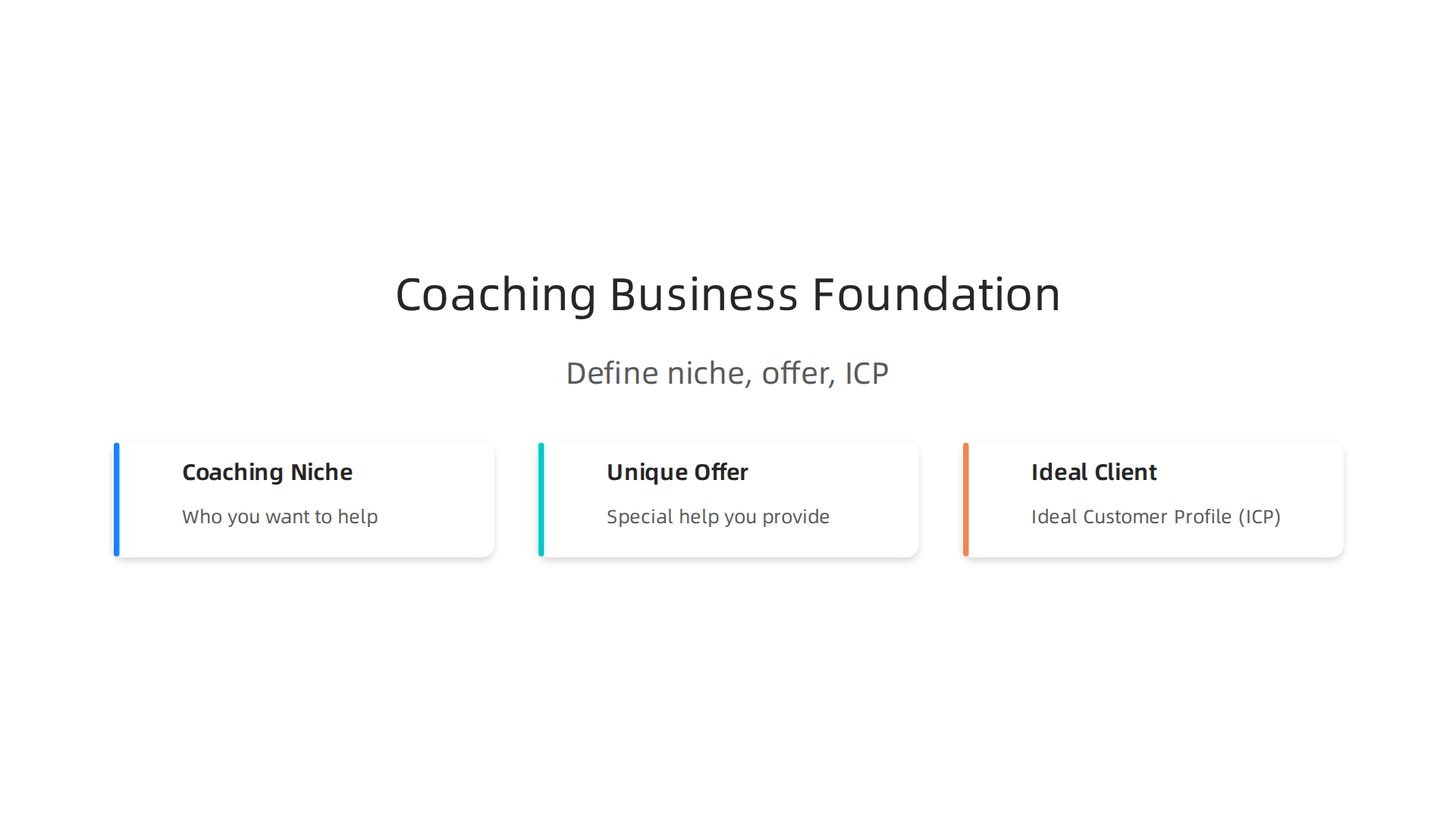
This means figuring out your coaching niche, what you offer, and your ideal client, also known as your Ideal Customer Profile (ICP). Think of it like this: you can’t sell a special pair of running shoes to someone who only wants to play chess, right? You need to know your customer.
Understanding Your Ideal Client
In 2026, many people are looking to change their work lives or earn more money. Your ideal clients might be:
- Aspiring high-ticket closers: These are people who want to learn how to sell expensive products or services and make a lot of money doing it. They often feel unsure about where to start or how to get good at it.
- Remote sellers: People who want to work from home, selling things over the internet or phone. They need to learn special skills for this kind of work.
- Career switchers: Folks who are moving from one job to a sales career, especially high-ticket sales. They need guidance on how to use their old skills in a new way.
When you know these types of people are your ICP, you can truly understand their worries and their dreams. For example, aspiring high-ticket closers often worry about finding a clear path to success, or they’re unsure about how much money they can really make. They might also struggle to find good training [1]. Knowing these exact problems helps you make your coach business plan perfect for them.
Crafting Your Unique Offer
Once you understand your ideal client, you can create a coaching offer that directly helps them solve their problems. This is where your business plan coach skills come in. Your coaching service should be a clear solution to their pain points.
For example, if your ICP wants to become a high-ticket closer, your offer might be a program that teaches them all the steps from finding clients to closing big deals. You’re not just offering "sales coaching"; you’re offering "a clear path to six-figure high-ticket sales from home."
Deciding on Your Coaching Programs
Now, let’s talk about how you’ll offer your help. You usually have two main choices for your life coaching business:
- Single-Offer Program: This is one main service that solves a big problem for your ideal client. It’s simple and clear. For instance, a 12-week program called "Master High-Ticket Sales in 90 Days." This can be a really profitable
business ideabecause it lets you become known for one strong solution. - Tiered Programs: These offer different levels of help, usually at different prices.
- Level 1 (Entry-level): A smaller, less expensive program or workshop for those just starting out.
- Level 2 (Main Program): Your core coaching service, more in-depth.
- Level 3 (Premium): Very personalized, one-on-one coaching for top results.
Having tiered programs can help you reach more people with different needs and budgets, and it’s a great strategy for a profitable business idea, as discussed in guides about building coaching packages [2].
No matter what you choose, be very clear about the deliverables (what clients get, like weekly calls, worksheets, special training) and the outcomes (the results they can expect, like closing their first high-ticket deal, making more money, or getting a remote sales job). This clarity helps clients see the true value of your high-ticket coaching.
If you’re looking for more details on getting started, exploring how to choose a direct sales agency for high-ticket sales can give you good insights into the industry. You want to make sure your offer stands out in 2026, so take the time to define it well.
You’ve done the important work of figuring out your special coaching offers. Now, let’s talk about how you’ll actually make money from those offers. This is a very important part of your coach business plan. It’s all about how you charge your clients and how much money you can really expect to earn. This step is key for any life coaching business to grow.
Pricing Your Coaching Programs
There are different ways to set your prices. Each one has its own benefits:
- Fixed-Fee Coaching: With this model, clients pay one set price for your coaching program. For example, they might pay $3,000 for your "Master High-Ticket Sales in 90 Days" program. This way is simple and gives you a clear, steady income. Many coaches use this for structured programs, especially for high-ticket offers, because clients know exactly what they are paying for to solve a big problem [1]. This can be a very
profitable business ideabecause it’s easy to understand and sell. - Revenue-Share Models: Here, you get a small part of the money your client makes because of your coaching. So, if you help someone become a high-ticket closer and they make a big sale, you get a percentage of that sale. This can be a great
business ideabecause it shows you truly believe in your clients’ success. However, your income might change a lot from month to month since it depends on your clients’ sales. This model is very fitting for coaching about high-ticket closing, as your earnings are directly linked to their success in closing deals [2]. - Hybrid Structures: This is a smart mix of both fixed fees and revenue share. You might charge a smaller upfront fee to start, and then also get a percentage of your client’s first few big sales. This way, you get some money right away, and you also get rewarded even more when your client achieves great results. It’s a balanced approach that can make your
coach business planstrong and fair for both you and your clients.
Planning Your Income: What to Expect
It’s super important for your business plan coach efforts to guess how much money you’ll make.

This is called income projection, and it helps you plan for the future. Many guides exist in 2026 to help you build a solid sales plan for your business [3].
To make good projections, you should create two different plans:
- Conservative Plan: This plan uses lower numbers. For example, you might guess that fewer people will sign up for your programs, or that your clients won’t make as many sales as you hope. This helps you be ready if things are a bit slow or if you face unexpected challenges.
- Optimistic Plan: This plan uses higher numbers. Here, you guess that many people will sign up and your clients will do really well. This shows you how much you could earn if everything goes perfectly.
Having both plans helps you understand the full range of possibilities for your life coaching business.
What to think about for your plans:
- Conversion Rates: How many people who hear about your coaching will actually buy it? For example, maybe 5 out of every 100 people who get a sales call will decide to join your program.
- Close Rates: If you’re teaching high-ticket closing, how many deals will your clients close because of your help? Perhaps your clients will close 2 out of every 5 leads they get. Learning about how to start a high-ticket sales career can give you good insights into realistic close rates.
- Price Points: How much are you charging for each of your coaching programs?
- Number of Clients: How many people do you think you can coach each month or year?
By looking at sales coaching benchmarks and industry insights for 2026, you can make sure your guesses are realistic [4]. This careful planning helps you build a strong and reliable coach business plan. If you’re looking to really dive deep into what it takes to boost your income, consider exploring how to master high-ticket sales with a coach’s blueprint for small businesses.
After you’ve figured out how your coaching business will make money and how much you can expect to earn, the next big step in your coach business plan is to design your actual program. This means creating a clear plan for what you will teach your clients and how you will make sure they really learn the skills. It’s about building a strong curriculum and checking their progress.
Curriculum and Skills Roadmap: Training, Scripts, and Assessed Competencies
A strong sales coaching program needs a clear path for clients to follow. This path helps them go from not knowing much to becoming skilled at high-ticket sales. Good sales training can actually help people meet their sales goals by 11% more [1]. Your business plan coach approach should include these core parts:
- Mindset Matters: First, clients need to get their heads in the right space. This means teaching them how to be confident, handle no’s, and stay positive. A strong mindset is the foundation for all sales success.
- Discovery Deep Dive: Clients must learn how to truly understand what their potential buyers need. This involves asking smart questions and really listening to the answers. It’s about finding the buyer’s pain points.
- Objection Handling: Buyers often have worries or reasons not to buy. Your program needs to teach clients how to gracefully answer these concerns and turn them into positives. They’ll learn common sales objections and clever ways to respond.
- Demo and Offer Presentation: This is where clients learn to show what they’re selling in a way that truly excites the buyer. They’ll practice how to present their offer clearly and make it sound irresistible.
- Closing Techniques: Finally, clients learn how to confidently ask for the sale. This includes different ways to close a deal and knowing when to use each one.
It’s best to teach these skills in order. Start with mindset and discovery, then move to handling objections and presenting, and finish with closing. This step-by-step method makes learning easier and more effective for your life coaching business clients.
Assessment and Credentialing: Building Trust and Skill
Just teaching isn’t enough. You also need to check that your clients are actually learning and can use the skills. This helps them build real confidence and shows others that your coaching works. Many sales leaders agree that their training programs are effective, but some feel they could deliver more [2]. Here’s how you can make sure your clients become truly skilled:
- Practical Roleplays: Clients can pretend to be in a sales call with you or another client. This lets them practice what they’ve learned in a safe space. You can give them feedback right away.
- Recorded Call Reviews: Have clients record their real sales calls. You can then listen to these calls together and point out what they did well and what they can improve. This is a very powerful way to learn from real-life situations. Measuring how well training works can track skills and behavior [3].
- Competency Checklists: Create simple lists of skills your clients need to master. As they show they can do each skill well, you can check it off. This helps them see their progress and makes sure they cover everything.
By using these assessment methods, you’re not just coaching; you’re building a profitable business idea that produces skilled sales professionals. This adds a lot of value to your program and makes your coach business plan stand out. If you’re looking to dive deeper into how successful coaches build their programs, exploring resources on how to start a high-ticket sales career can provide valuable insights.
After you’ve designed your coaching program, the next big step for your coach business plan is to figure out how to find students and, just as important, help them find jobs. This is called your "go-to-market strategy." It’s all about getting your program known and making sure your clients succeed in their new careers.
Finding Your Students: Channels for Lead Generation
To find people who want to join your program, you need a clear plan. Here are some smart ways to get the word out:
- Content Creation: Think about writing helpful blog posts, making videos, or sharing tips on social media. These pieces of content can teach people about high-ticket sales and how a good
business plan coachcan help them. When people search for ways to improve their sales skills or start alife coaching businessfocusing on sales, your content will show up. - Partnerships: You can work with other businesses or people who have similar audiences.

For example, if someone teaches marketing, you could partner up since their students might also need sales coaching. This helps both of you reach more people.
- Paid Ads: Running ads online on places like social media or search engines can quickly show your program to many people who are looking for sales training. You can aim these ads specifically at people who want to learn remote or high-ticket sales.
- Talent Marketplaces: Some websites connect people looking for training with programs like yours. Listing your program there can bring in students who are actively searching for skills to land good jobs.
These channels help you tell potential students about your great program and show them how it can lead to a profitable business idea for their own careers. If you’re wondering more about getting into this field, check out our guide on how to start a high-ticket sales career.
Helping Clients Find Jobs: The Employer Placement Approach
It’s not enough to just teach skills; a strong coach business plan also helps clients use those skills to get jobs. This part of your strategy makes your program much more valuable.
- Building Hiring Pipelines: You can set up a special way for companies to easily find and hire your trained clients. This might mean having a list of your best graduates ready to share with interested employers.
- Partnerships with Agencies: Working with recruiting agencies that specialize in sales roles, especially remote closers, can be a huge help. These agencies already have connections with companies that are looking to hire. For guidance on choosing the right partners, read our advice on how to choose a direct sales agency for high-ticket sales.
- Direct Outreach to Companies: You can reach out to companies directly that you know hire remote sales closers. Show them how your trained clients can make a big difference for their sales teams. Many companies are always looking for skilled closers. The sales training market itself is growing quickly, valued at about $9.36 billion in 2026, showing a high demand for skilled sales professionals [4].
By putting these plans into your coach business plan, you’re not just creating a great teaching program; you’re building a complete pathway for success, from learning skills to landing a job.
After you’ve designed your coaching program and planned how to find students and help them get jobs, the next big step is making sure your business runs smoothly every day. This means choosing the right tools and setting up smart ways of working. A strong coach business plan needs good operations, too.
Operations, tools, and tech stack for coaching and customer tracking
Running a coaching business, especially one focused on high-ticket sales, means you need good systems. Think of these like the gears that make your business engine turn.

They help you keep track of students, deliver great coaching, and make sure everything stays organized.
Essential Tools for Your Coaching Business
You’ll want some key tools to help manage your program and track student progress.
- CRM (Customer Relationship Management): This is like a smart address book and diary for all your clients. It helps you remember what you talked about, when their next session is, and how they are doing. Using a good CRM is super important for any
business plan coachbecause it helps keep your client information organized and easy to find. In 2026, many helpful CRM tools are available for coaches [1]. You can even find videos that compare the best CRMs for small businesses [4]. - Learning Management System (LMS): This is where your students will access your lessons, videos, and homework. An LMS makes it easy to share your course materials and track who has completed what. It’s a key part of your
coach business planfor delivering your program. There are many affordable LMS options perfect for small businesses in 2026 [2, 5]. - Scheduling Tools: These tools let clients book their coaching calls with you easily, without back-and-forth emails.
- Call-Recording and Performance Dashboards: These tools let you record coaching calls (with permission) so students can review them. Performance dashboards help you see how each student is doing, like how well they are learning or how many job applications they’ve sent. This helps you track their success and improve your coaching. Many sales coaching software options exist to help small businesses track performance [3].
These tools help make your coaching process smooth, giving you more time to focus on your clients.
Smart Ways of Working (Operational Processes)
Beyond tools, you need clear steps for how you do things in your business. These steps build trust and make your business a profitable business idea.
- Intake Process: This is how new clients join your program. It includes signing up, getting their first materials, and setting up their first call. A smooth start makes a great first impression.
- Coaching Cadence: This is how often you coach and what each session looks like. Will it be weekly calls? Group sessions? Having a clear plan helps students know what to expect.
- Feedback Loops: You need a way for students to tell you what they think about the program. This helps you make it better over time. You can use simple surveys or check-ins.
- Quality Assurance: This means always making sure your coaching is top-notch. You might review your own calls or ask a mentor for advice. Keeping quality high is key for any
life coaching business. - Refund/Guarantee Policies: Clearly explaining if and when clients can get their money back builds trust. It shows you believe in your program and stand behind your results.
By setting up these tools and processes, your coach business plan becomes super strong. It shows you’re ready to deliver excellent results and manage your business well. To learn more about building a successful coaching career, consider exploring how to master high-ticket sales.After you’ve designed your coaching program and planned how to find students and help them get jobs, the next big step is making sure your business runs smoothly every day. This means choosing the right tools and setting up smart ways of working. A strong coach business plan needs good operations, too.
Operations, tools, and tech stack for coaching and customer tracking
Running a coaching business, especially one focused on high-ticket sales, means you need good systems. Think of these like the gears that make your business engine turn. They help you keep track of students, deliver great coaching, and make sure everything stays organized.
Essential Tools for Your Coaching Business
You’ll want some key tools to help manage your program and track student progress.
- CRM (Customer Relationship Management): This is like a smart address book and diary for all your clients. It helps you remember what you talked about, when their next session is, and how they are doing. Using a good CRM is super important for any
business plan coachbecause it helps keep your client information organized and easy to find. In 2026, many helpful CRM tools are available for coaches [1]. You can even find videos that compare the best CRMs for small businesses [4]. - Learning Management System (LMS): This is where your students will access your lessons, videos, and homework. An LMS makes it easy to share your course materials and track who has completed what. It’s a key part of your
coach business planfor delivering your program. There are many affordable LMS options perfect for small businesses in 2026 [2, 5]. - Scheduling Tools: These tools let clients book their coaching calls with you easily, without back-and-forth emails.
- Call-Recording and Performance Dashboards: These tools let you record coaching calls (with permission) so students can review them. Performance dashboards help you see how each student is doing, like how well they are learning or how many job applications they’ve sent. This helps you track their success and improve your coaching. Many sales coaching software options exist to help small businesses track performance [3].
These tools help make your coaching process smooth, giving you more time to focus on your clients.
Smart Ways of Working (Operational Processes)
Beyond tools, you need clear steps for how you do things in your business. These steps build trust and make your business a profitable business idea.
- Intake Process: This is how new clients join your program. It includes signing up, getting their first materials, and setting up their first call. A smooth start makes a great first impression.
- Coaching Cadence: This is how often you coach and what each session looks like. Will it be weekly calls? Group sessions? Having a clear plan helps students know what to expect.
- Feedback Loops: You need a way for students to tell you what they think about the program. This helps you make it better over time. You can use simple surveys or check-ins.
- Quality Assurance: This means always making sure your coaching is top-notch. You might review your own calls or ask a mentor for advice. Keeping quality high is key for any
life coaching business. - Refund/Guarantee Policies: Clearly explaining if and when clients can get their money back builds trust. It shows you believe in your program and stand behind your results.
By setting up these tools and processes, your coach business plan becomes super strong. It shows you’re ready to deliver excellent results and manage your business well. To learn more about building a successful coaching career, consider exploring how to master high-ticket sales: the coach’s blueprint for small businesses.
After you’ve designed your coaching program and planned how to find students and help them get jobs, you also need to think about keeping your business safe and building trust. This is a very important part of your coach business plan. It means looking at legal stuff and showing people they can count on you.
Risk management, legal considerations, and trust-building practices
Making sure your coaching business is strong means you have to protect it and make clients feel safe. This helps your business grow and makes it a truly profitable business idea.
Important Legal Steps for Coaches
Even small businesses need to follow some rules. Here’s what your business plan coach should include:
- Contracts: Always have a clear agreement with your clients. This paper should say what you will do, what they will do, how much it costs, and how long the coaching lasts. It protects both you and your students.
- Data Privacy: If you record coaching calls or keep notes about your students, you need to keep that information private. Make sure clients know their information is safe with you.
- Refund Policies: Just like we talked about before, tell clients clearly if and when they can get their money back. Being upfront about this builds trust and avoids problems later.
- Statements of Expected Outcomes: It’s smart to tell clients what they can learn or might achieve with your help. But be careful not to promise or "guarantee" specific results. Every student is different, and you can’t control their effort or success. This is key for any
life coaching businessto stay fair and legal.
Building Trust with Your Clients
Trust is super important. People want to work with coaches they believe in. Here are some ways to show you’re trustworthy:
- Clear Program Plan: Show your clients exactly what they will learn and how your program works. This is like a map for their journey with you. When they know what to expect, they feel more confident.
- Real Stories from Clients: Share honest feedback and success stories from past students. Make sure these stories are real and that people can see they came from actual clients. Testimonials are powerful trust builders.
- Money-Back Policies: Having a clear and fair refund policy shows that you stand behind your coaching. It tells clients that you believe in your program enough to offer a way out if it’s not a good fit.
- Success Rates: If your coaching helps people get jobs or reach other goals, share your success rates clearly. For example, if 80% of your students get a job after your program, share that number. This shows potential clients that your program works.
By putting these legal steps and trust-building actions into your coach business plan, you’ll create a strong, respected, and successful business.
To learn even more about building a thriving coaching career, consider exploring advanced strategies.
Master high-ticket sales: the coach’s blueprint for small businesses
Marketing plan and scaling: channels, budgets, and KPIs
Once your coaching business is set up and trusted, the next big step is letting people know about it and growing. This means having a smart marketing plan and thinking about how to make your business bigger over time. It’s a key part of your coach business plan to make sure your great business ideas turn into a truly profitable business idea.
Finding Students and Spending Money Wisely
To get new students, you need to reach them where they are. Here’s how you can spread the word and how to think about your money for marketing:
- Content Marketing: This means creating helpful blog posts, videos, or social media updates. When you share useful tips or insights, people see you as an expert. This can bring students to you naturally.
- Paid Ads: You can pay to show ads on social media or search engines. This helps you reach many people quickly.
It’s like putting up a billboard, but online, for specific people who might need your coaching. Many online businesses use this today in 2026 to find clients fast, especially with the boom in remote job opportunities across fields like sales and digital marketing, which your students might be interested in pursuing themselves when they finish your program, as remote sales jobs are seeing high growth this year. For example, sales and business development careers are showing huge growth in remote jobs in 2026, offering many opportunities for those with the right skills to earn over $100,000 remotely. To successfully market your coaching business in 2026, it’s essential to have a clear strategy, as shown in guides for how to market a coaching business.
- Partnerships: Work with other businesses or people who have a similar audience but offer different services. You can help each other find students.
- Community Building: Create a group online, like on Facebook or a special forum, where your students and future students can talk, ask questions, and learn from each other. This builds a strong bond and keeps people interested in your
life coaching business.
When it comes to money, think about how much you can spend on each of these. You might put more money into paid ads at first, then shift to content and community as your business grows. This budget plan is important for your business plan coach. Also, when looking to expand how you sell your high-ticket coaching programs, you might even look into how to choose a direct sales agency for high-ticket sales to help with your outreach.
Measuring Success with KPIs
It’s not enough to just do marketing; you need to know if it’s working. That’s where Key Performance Indicators, or KPIs, come in. These are numbers you track every month to see how well your coach business plan is doing.
Here are some important KPIs:
- Lead Volume: This is simply how many new people show interest in your coaching program each month.
- Conversion Rate to Paid Program: Out of all the people who show interest, how many actually sign up and pay for your coaching? A higher number means your sales process is good.
- Placement Rate: If your coaching helps people get jobs, this is how many of your students find jobs after finishing your program. It shows your program really works.
- Trainee Churn: This is how many students leave your program early. You want this number to be very low, as it shows people are happy and committed.
- LTV to CAC Ratios: This sounds fancy, but it just means comparing how much money a student brings to your business over time (LifeTime Value, LTV) to how much it cost you to get that student (Customer Acquisition Cost, CAC). You want the LTV to be much higher than the CAC.
By watching these numbers, you can see what’s working and what needs to change in your marketing and scaling efforts. This helps you make smart choices to grow your business for a long time.
Summary
This article explains why a clear coach business plan is essential for anyone who wants to train or become a high-ticket closer in 2026. It walks through how to identify your ideal client, craft an offer that solves their specific problems, and decide between single-offer or tiered programs. You’ll learn practical pricing options—fixed fees, revenue-share, or hybrids—and how to build realistic income projections using conservative and optimistic scenarios. The guide covers program design with a skills roadmap, assessments, and credentialing methods to prove results, plus go-to-market tactics that include lead channels and employer placement strategies. It also details the operations and tech stack you need (CRM, LMS, scheduling, recording) and the legal and trust-building steps that protect your business and clients. Finally, the article outlines marketing, scaling, budget choices, and KPIs so you can grow a reliable, profitable coaching business.
Keep learning about closing and income