The Website Checker Every High-Ticket Closer Needs to Audit Their Online Presence

Introduction
Imagine you’re a high-ticket closer. You’ve mastered your pitch. You know how to handle objections. But there’s something you might be missing.
When a prospect hears about you, what do they do first? They Google you. They check your website. They look at your Yelp Business page or your Meta Business profile.
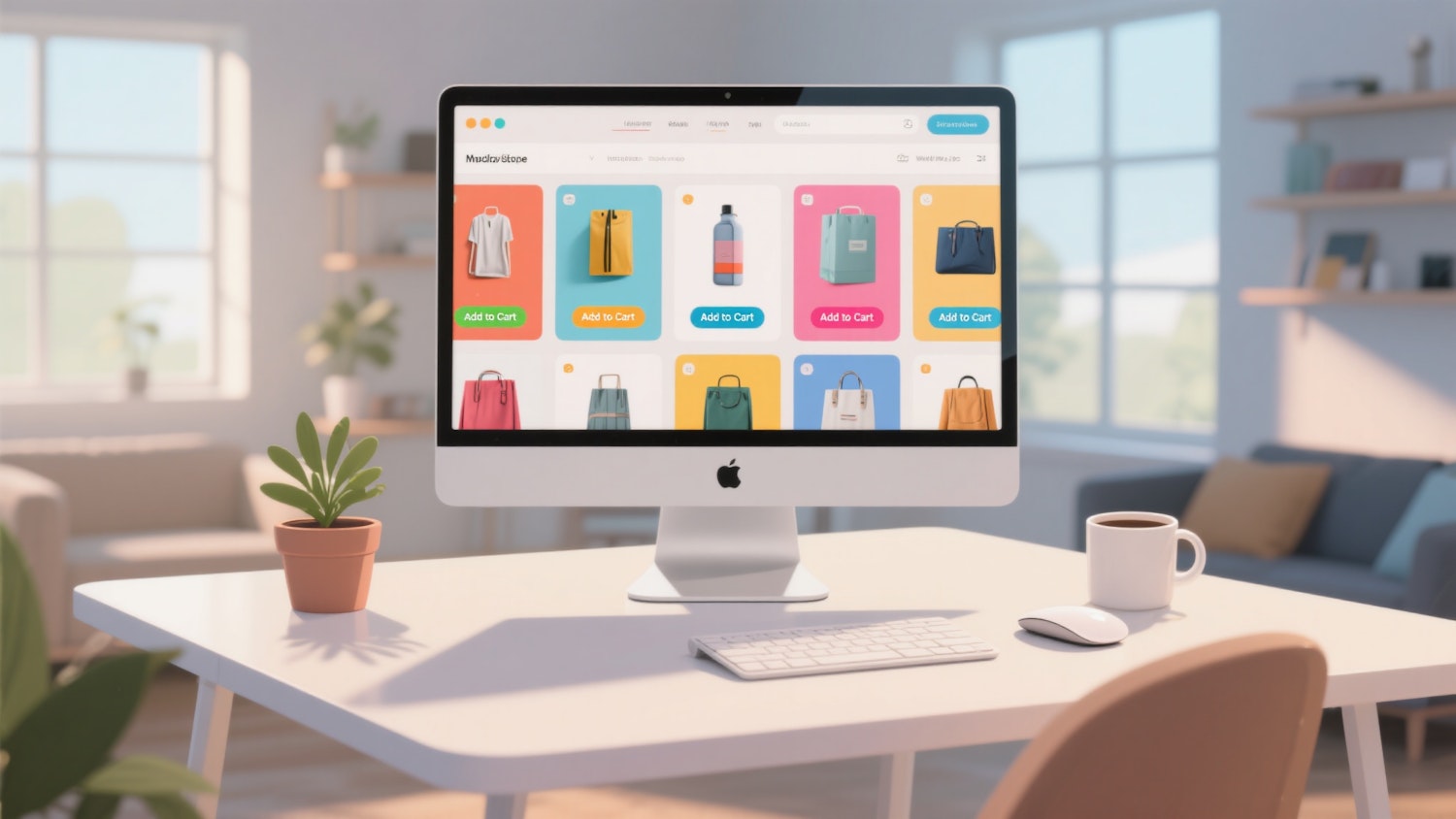
They do all this before ever picking up the phone.
In 2026, that reality is even bigger. Research shows that 80% of B2B sales now happen digitally without a sales team involved
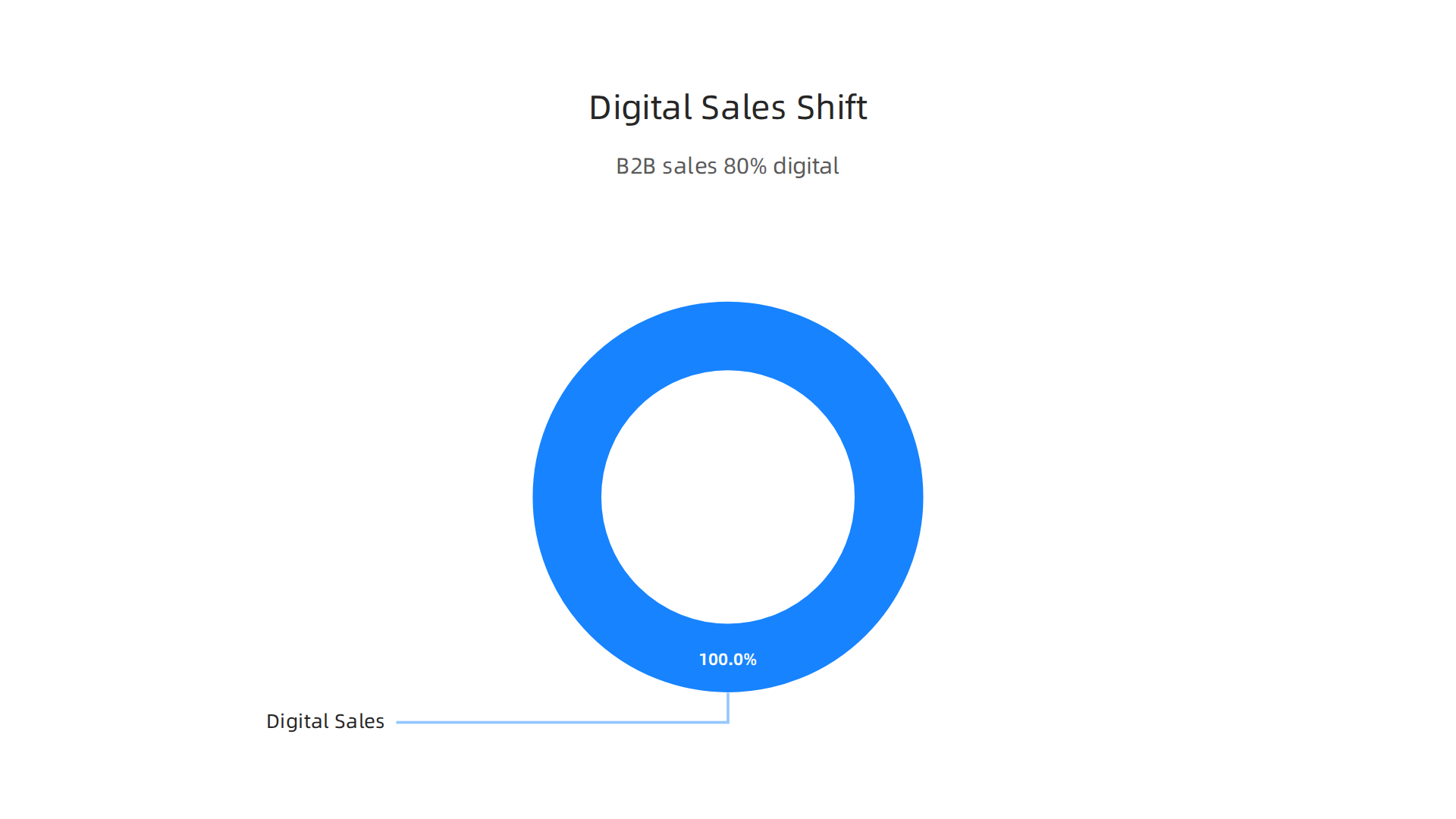
(Polar Insight). That means your online presence is doing most of the selling for you. If your digital footprint is weak or confusing, you’re losing trust before you even get a chance to speak.
And trust is everything in high-ticket sales. Studies show that adding trust signals to a product page can increase conversions by up to 20% (Eklipse Creative). But trust signals aren’t just about your website. They include your Google listing, your LinkedIn profile, and even how you show up on review sites.
Here’s the thing. Many aspiring closers neglect this part of their career. They focus on scripts and closing techniques but forget that their own digital storefront needs attention too. That’s a missed opportunity.
This article gives you a structured path to fix that. We’re going to show you how to use a website checker to audit your entire digital presence. You’ll learn exactly what to look for and how to improve each piece. Whether you use a Wix Website Builder or a custom site, these steps apply.
Think of this as your digital health check. By the end, you’ll know how to make your online presence work hard for you.
If you’re new to high-ticket sales, start with our guide on how to start a high-ticket sales career in 2026. It will give you the foundation you need.
The Digital Presence Landscape for High-Ticket Sales in 2026
Think about the last time you wanted to hire someone for an important service. Maybe a lawyer, a financial advisor, or a sales coach. What did you do first? You searched online. You checked their website. You looked at reviews. You made a judgment in seconds.
Now imagine you are a high-ticket closer. When a prospect hears about you, they do the exact same thing. They Google your name. They visit your site. They read your Google Business profile, your Meta Business page, and your Yelp Business page. All of this happens before you ever get a chance to speak.
Here’s the reality in 2026. according to research from Polar Insight, 80% of B2B sales now happen digitally without any sales team involved (Polar Insight). That number is huge. It means your online presence is doing most of the selling for you. If your digital footprint is weak or confusing, you are losing trust before you even say hello.
And trust is everything in high-ticket sales. A study from SellersCommerce shows that 64% of B2B buyers prefer digital channels over traditional ones, and 80% use mobile devices throughout their research (SellersCommerce). Buyers are looking for signals that you are professional, credible, and easy to work with. Your website, your social profiles, and your review pages all send those signals.
Your competitors understand this. The closers with strong online brands capture premium clients. They show up first in search results. They have polished profiles that answer questions before they are asked. They make it easy for buyers to say yes.
But here’s the thing. Many aspiring closers overlook this part of their career. They focus on scripts and closing techniques but forget that their own digital storefront needs attention too. That is a missed opportunity.
Whether you use a Wix Website Builder for a simple personal site or invest in a custom design, the same marketing fundamentals apply. Your online presence must be consistent, clear, and trustworthy. A website checker can help you audit each piece of that presence quickly.
If you are new to high-ticket sales, start with our guide on what a high-ticket closer is and how to start your career in 2026. It will give you the foundation you need to understand why your digital footprint matters so much.
In the next section, we will walk you through exactly how to use a website checker to evaluate your online presence step by step. You will learn what to look for and how to improve each piece.
Core Elements of an Optimized Digital Presence
Now that you see how much your online presence matters, let’s break down the three core elements that actually move the needle.
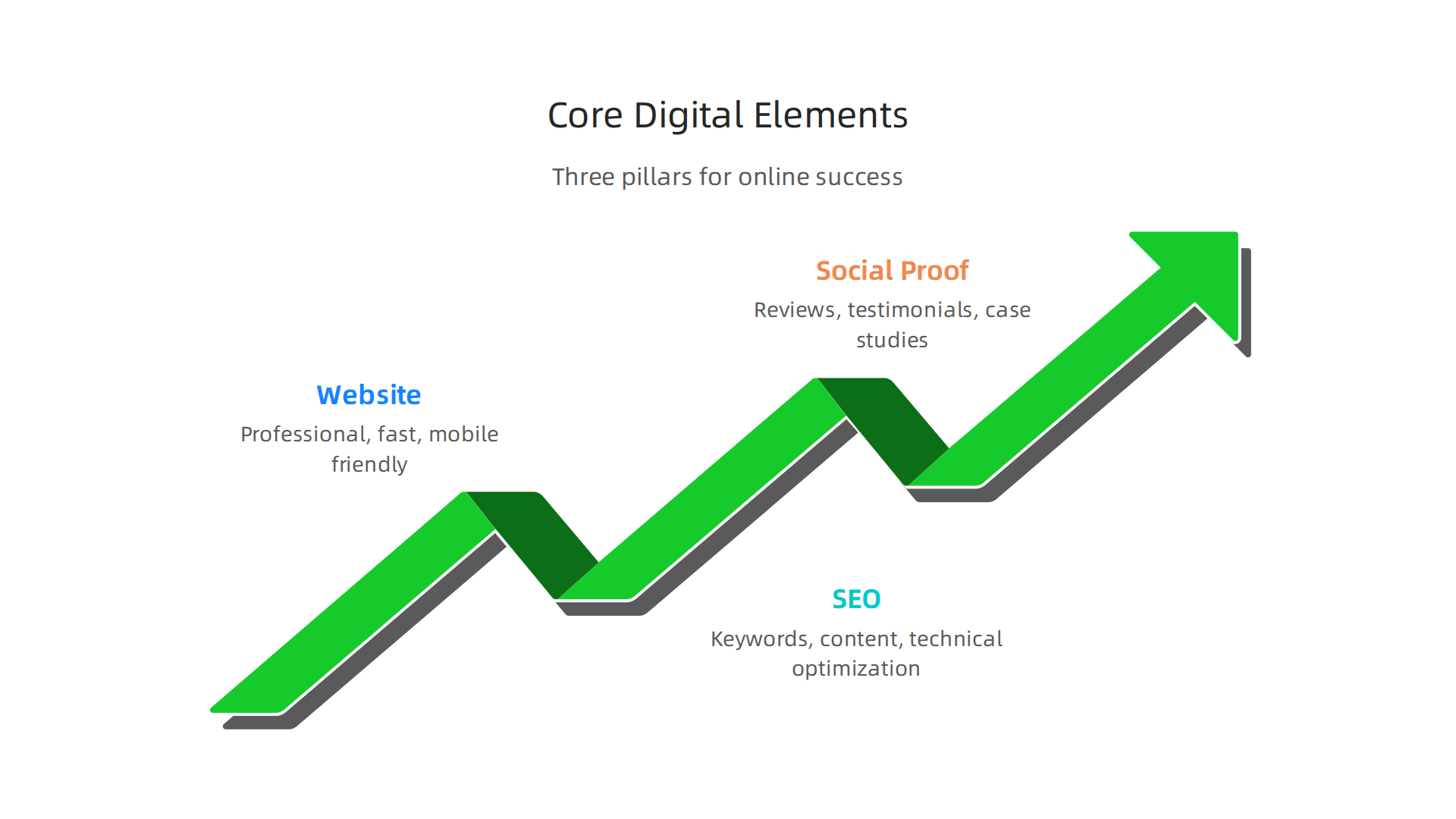
You don’t need a perfect site overnight. You just need to nail the fundamentals.
1. A Professional Website That Works Everywhere
Your website is your digital front door. It must be clean, fast, and look great on a phone. In 2026, 80% of B2B buyers use mobile devices during their research. If your site loads slowly or looks cluttered, they leave. That simple.
You don’t need to be a designer. Platforms like Wix Website Builder make it easy to create a polished site quickly.

But once your site is live, you need to check what technology it uses and how it performs. A website checker can tell you your hosting provider, CMS, load time, and more. For example, tools like the free ones tested by MarketBetter AI scan your site’s tech stack in seconds (MarketBetter AI). Regular audits using a website audit guide help you catch issues like slow images or broken links (Top Of The List). Keep your site healthy, and your prospects will stay longer.
2. SEO That Brings the Right People to You
You can have the best website in the world, but if no one finds it, it doesn’t matter. Search engine optimization (SEO) makes sure your site shows up when prospects search for solutions you offer.
SEO doesn’t have to be complicated. Use a website checker that analyzes SEO basics: page titles, meta descriptions, headings, and keyword usage. Many free tools do this. For deeper work, platforms like Ahrefs and SEMrush perform best in 2026 for competitive SEO analysis (Nucleo Analytics). Start with Google Search Console (it’s free) and check your site’s performance monthly. If you are new to this field, understanding SEO is part of building your career. Check out our guide on how to start a high-ticket sales career in 2026 for more foundational steps.
3. Social Proof That Turns Skeptics Into Buyers
High-ticket buyers are naturally cautious. They want to know that others have trusted you and gotten results. That’s where social proof comes in.
Add clear testimonials and case studies to your website. Use real names and photos (with permission). Show specific numbers: "Helped Client X increase revenue by 40% in three months." Also, keep your Meta Business and Yelp Business pages updated with positive reviews. When a prospect searches your name and sees glowing feedback, their hesitation drops.
A website checker can help you see how your social proof appears across different profiles. Some tools scan your site for testimonial placements and review widgets. Make sure your proof is visible above the fold on mobile.
Putting It All Together
Optimizing your digital presence doesn’t require a huge budget. Start with a clean website using a builder like Wix. Run a website checker to audit your tech, speed, and SEO. Gather testimonials and display them prominently. These three elements create a trustworthy online brand that attracts premium clients. Use free website analysis tools available in 2026 to keep track of your progress (Seeto). Your future clients are searching right now. Make sure they find a professional who’s ready to help.
Using a Website Checker to Audit and Improve Your Digital Presence
By now you know that a professional website, strong SEO, and social proof are essential. But how do you know if your site actually delivers on these? That’s where a website checker comes in. Think of it as a health scan for your online home. It spots what’s working, what’s broken, and what your competitors are doing better.
What a Website Checker Tells You
A good website checker reveals three big things: your site’s technology, its content quality, and its SEO health. Let’s break those down.
Technology: It tells you what hosting provider you use, your CMS (like WordPress or Wix), and how fast your pages load. In 2026, speed matters more than ever. A slow site can kill your conversions. Many free tools can scan your tech stack in seconds. For example, the team at MarketBetter AI tested 10 free website technology checkers and found that tools like BuiltWith and Wappalyzer give you instant insights
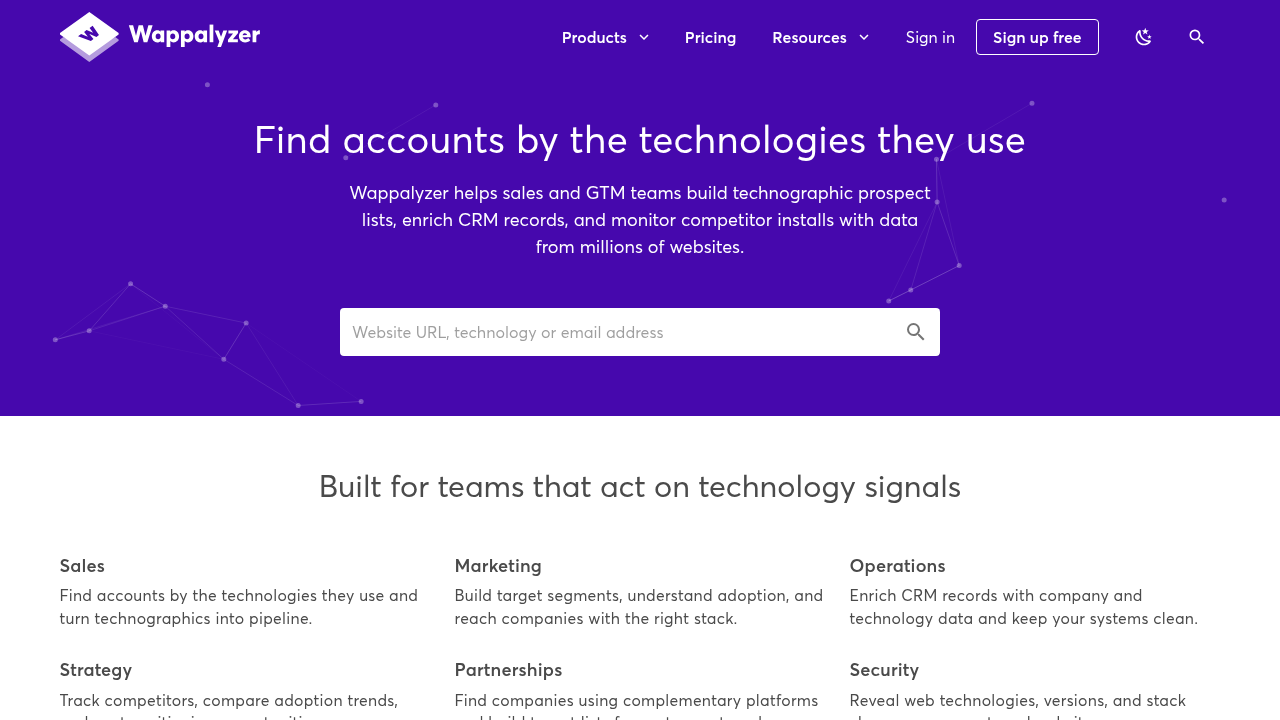
(MarketBetter AI). Use one of these to see if your site is built for speed.
Content and SEO: A website checker also looks at your page titles, meta descriptions, headings, and keyword usage. It flags missing alt text on images, broken links, and duplicate content. These issues can hurt your rankings. Tools like the ones reviewed in the 2026 Website Audit Guide can help you catch these problems before they hurt your traffic (Top Of The List). Regular audits keep your site aligned with search engine updates.
Competitor Analysis: Here’s a trick many people miss. A website checker can tell you what platform a competitor uses, what plugins they rely on, and even which keywords they target. This information helps you find opportunities they overlook. You can see gaps in their content strategy and fill them on your own site.
How to Use a Website Checker Step by Step
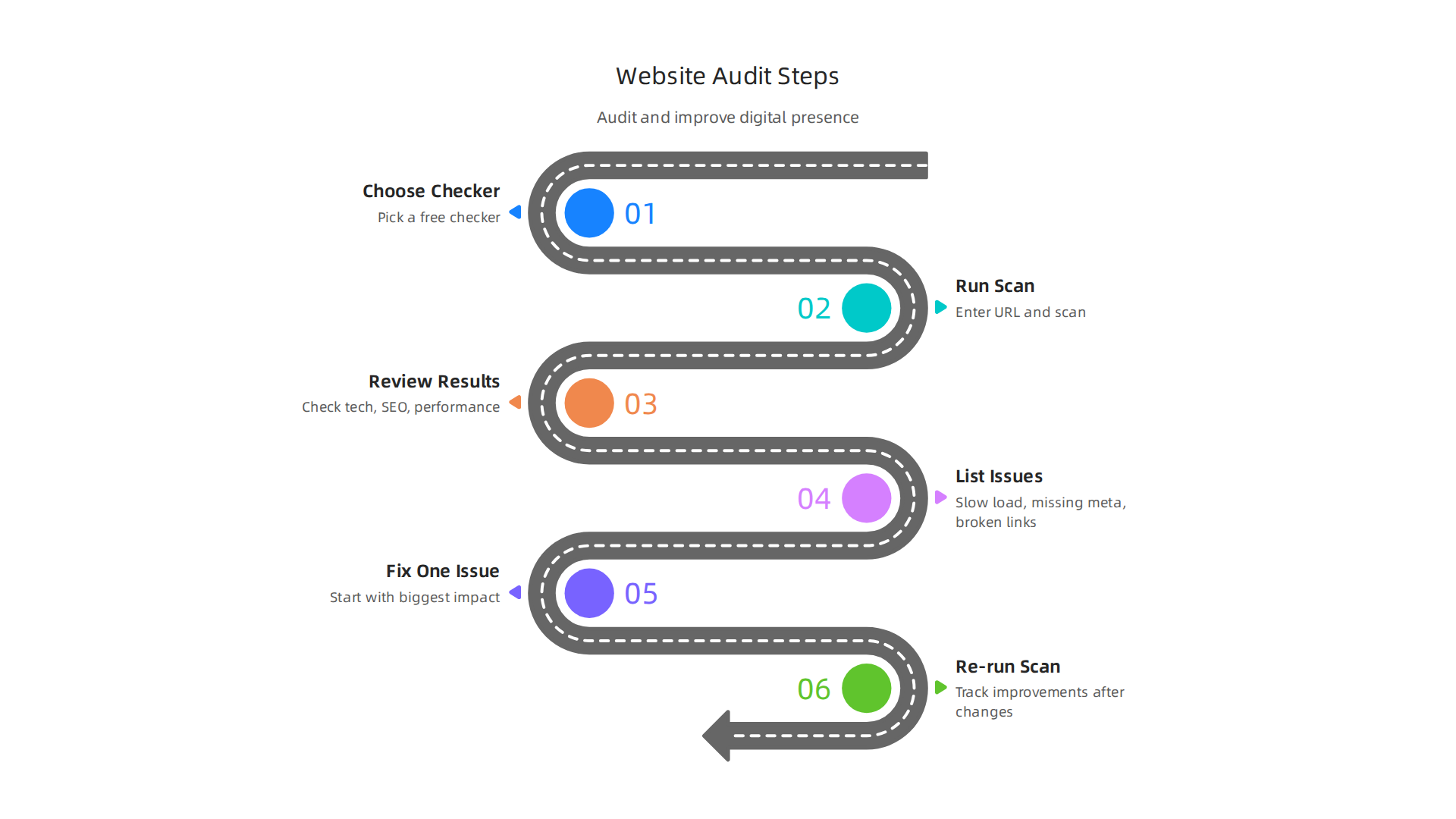
You don’t need to be a tech expert. Follow this simple process:
- Choose a free website checker like Wappalyzer or the MarketBetter Tech Stack Detector.
- Enter your URL and run the scan.
- Look at the results for three things: technology details, SEO score, and performance metrics.
- Make a list of issues: slow load time, missing meta descriptions, broken links, outdated CMS.
- Fix one issue at a time. Start with the one that will have the biggest impact, like page speed or mobile responsiveness.
- Re-run the checker after you make changes to track improvement.
For deeper analysis, you can use paid tools like Ahrefs or SEMrush. But even free checkers provide enough data to keep your site healthy. You can also use website monitoring tools to get alerts when your site goes down or slows down (Site24x7).
Why Regular Audits Matter
Your digital presence isn’t a set-it-and-forget-it thing. Search algorithms change. Your content gets outdated. New competitors appear. By running a website checker every few months, you stay ahead. You catch problems early. And you keep your site trustworthy for high-ticket buyers.
If you’re serious about building a high-ticket sales career, understanding your digital presence is just one piece of the puzzle. You also need to master the fundamentals of sales strategy. Check out our guide on mastering high-ticket sales with a coach’s blueprint for small businesses for more ways to grow your income.
Take 15 minutes today to run a website checker. What you learn could be the difference between losing a lead and closing a big deal.
Building Trust Through Content and Credentials
A fast website is a great start. But in high-ticket sales, speed alone will not close the deal. You need trust. Real, human trust. This comes from three things: powerful social proof, helpful authority content, and visible credentials.
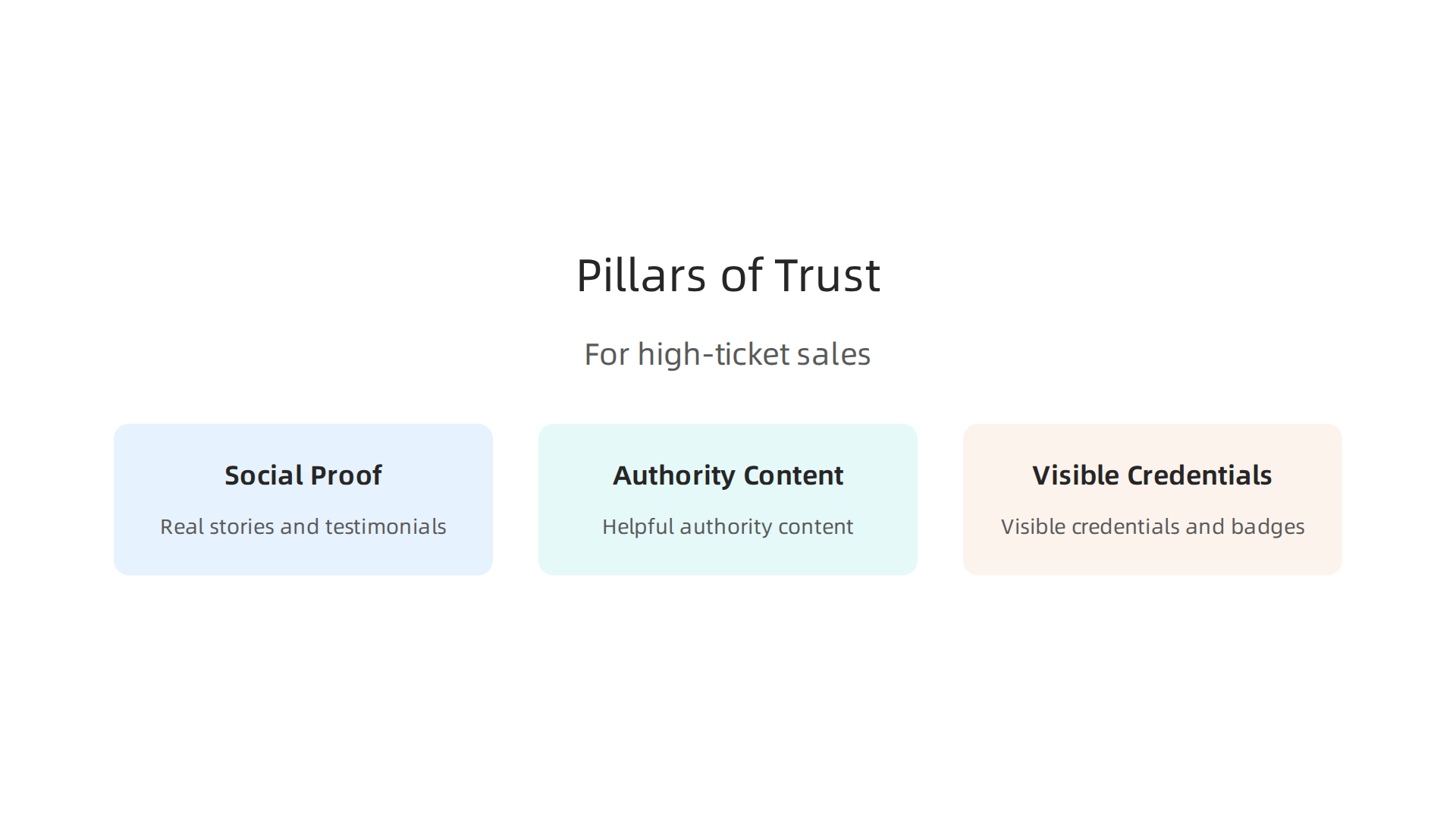
Together, they turn a healthy site into a money-making machine.
Use Real Stories as Proof
The best trust signal is a happy customer talking about their results. Testimonials and case studies do something a simple website checker cannot measure. They make people feel safe. When a buyer sees a video of someone just like them getting a great result, their fear drops.
Studies show that adding trust signals to your pages can lift conversions by 20% (Eklipse Creative). Your copy needs backup. Without it, your claims sound like hot air (Copyhackers). Start collecting stories from every client you help.
Show What You Know
You need to prove you are an expert. The best way is to create content. Write helpful articles. Record short videos. Start a simple podcast. This is a core part of marketing fundamentals.
When you share useful tips for free, people start to see you as the go-to person. They trust your advice. High-ticket sales are all about building relationships and showing you understand the problem (YouTube). If you are building this skill, you need a strategy for your career. Learn how to start a high-ticket sales career in 2026 and build that authority from day one.
Display Your Credentials
Skeptical buyers look for proof that you are real and legit. Display your certifications, professional memberships, and media mentions. If you have a verified Yelp Business or Meta Business page, link to it. Even the platform you use sends a signal. Using a trusted tool like a Wix website builder or a professional WordPress setup shows stability.
A trust signal is anything that helps a customer feel safe doing business with you (Trustpilot & Digital Maze). These small badges and links make a big difference with skeptical buyers.
Bringing It All Together
Think of your website checker audit as the foundation. It fixes the broken walls and keeps the lights on. But your content and credentials are what welcome people inside. You need both.
Run a website checker to find technical problems. Then use these trust signals to turn that healthy traffic into paying clients. When you combine a smooth technical experience with strong human proof, you build a digital presence that high-ticket buyers trust completely.
Digital Presence Strategies for Remote Sales Professionals
You have built trust through content and credentials. That is great. But where do you show it off? As a remote sales professional, your digital presence is everything. You cannot rely on a handshake or an office visit. You need a visible, consistent presence online. This is where the real closing happens.
Start with LinkedIn. It is the most powerful tool for high-ticket closers. Your profile is not just a resume. It is your storefront.
Optimize it completely. Use a professional photo. Write a headline that shows the results you get. Share posts that teach something useful. This proves you are an expert. In 2026, personal branding on LinkedIn is critical for remote closers. Experts say that a strong personal brand can open doors you never knew existed (YouTube). Treat your LinkedIn like a living portfolio.
Next, use video content. Short videos of client success stories humanize you. People buy from people they like. When a prospect sees a real person sharing a real win, their guard drops. You do not need fancy gear. Record on your phone. Share the video on LinkedIn and even on a simple page you made with a site builder like Wix website builder. Video builds trust faster than text ever will.
Then, get active in niche communities. There are Facebook groups, Slack channels, and industry forums full of your ideal buyers. Do not just lurk. Show up every day. Answer questions. Share a tip. Comment on posts. This consistent engagement builds referral networks. One helpful comment can lead to a private message, which leads to a sale. It is relationship building at scale.
Every link you share in these communities must lead to a professional page. That is where a website checker comes in. Use a free website checker to test any page you send people. Make sure it loads fast on mobile and looks clean. If you send someone to a slow or broken page, you lose trust instantly. Even if your LinkedIn profile is perfect, a bad click ruins it.
Finally, claim your business profiles on platforms like Meta Business and Yelp Business. These show up in search results and add legitimacy. A buyer who searches your name should find these pages. They are easy to set up and maintain.
Bringing this together: your digital presence is the stage where your trust signals perform. Without it, nobody sees your hard work. Use LinkedIn to attract, video to connect, communities to nurture, and a website checker to ensure every click lands safely. That is how remote sales pros win in 2026.
If you are serious about building this career, you need a solid plan. Learn how to master high-ticket sales with a coach’s blueprint for small businesses and get the strategies that work today.
Measuring Success: KPIs for Your Digital Presence
You have spent time building your LinkedIn profile, sharing videos, and joining communities. That is great. But here is the real question. How do you know any of it is working? You cannot just guess. You need to track the right numbers. These are your key performance indicators, or KPIs.

They tell you what is helping and what is just noise.
The first set of KPIs looks at your website. You need to watch site traffic, bounce rate, and average session duration. Traffic shows how many people visit. Bounce rate tells you if they leave right away. And session duration shows if they stick around to learn more. A high bounce rate means your page is not connecting. You can check all of this with a free website checker. That is a simple way to see if your page loads fast and looks clean on phones.
Now the biggest number. The conversion rate from website visitor to lead. This is the ultimate metric for any remote closer. In 2026, the median B2B conversion rate sits at about 2.9% (Ruler Analytics). Top performers hit much higher numbers, sometimes over 11% (Digital Applied). So where do you land? If your site gets 100 visitors and only one person fills out a form, that is 1%. You have room to improve. But if you get five leads from 100 visitors, you are beating average.
Do not forget social media engagement and referral traffic. These matter a lot for remote closers. When someone shares your LinkedIn post and clicks through to your site, that is a referral. If they engage with your content and then send you a message, that is engagement. Both build trust and eventually lead to sales. Keep an eye on which platforms send you the most visitors. That tells you where to focus your time.
All of this connects back to marketing fundamentals. You set up a presence. You send people to a page. Then you measure what happens. Without measurement, you are flying blind.
Ready to put these numbers to work? Start by running your current page through a free website checker. Then use that data to make small improvements. As you grow, you might even want to learn how to set up a business email for high-ticket sales success to make your outreach even more professional. That is how you turn data into dollars.
Summary
This article shows high-ticket closers how to audit and improve their online presence using a website checker so prospects trust them before the first call. It explains the three core elements that move the needle— a professional, mobile-friendly website, basic SEO, and compelling social proof— and why each matters in a world where most B2B research happens digitally. You get a simple step-by-step process to run a scan, prioritize fixes (speed, mobile, metadata, broken links), and track improvements with KPIs like traffic, bounce rate, and conversion rate. The guide also covers practical trust-building tactics—testimonials, case studies, visible credentials—and distribution strategies for LinkedIn, video, and niche communities. Recommended free and paid tools are named, and the article explains how regular audits and small iterative fixes turn your digital storefront into a closing engine. After reading, you’ll know which checks to run, which fixes to prioritize, and how to measure whether your online presence is helping you close higher-ticket deals.
Discover Valuable Insights and Strategies