What a Sales Associate Does in High-Ticket Sales and How It Differs
What Does a Sales Associate Do? (And How It Differs in High-Ticket Sales)
When you ask "what does a sales associate do", the first picture that probably comes to mind is a retail worker folding clothes or someone making cold calls from a cramped cubicle. And honestly, that used to be the standard answer.
But here is the truth. That definition is outdated.
Today, the role of a sales associate has completely evolved. The most exciting opportunities now belong to the high-performing sales representative who works from home and closes deals worth thousands of dollars in a single call.

This is where the real income and lifestyle freedom live.
The problem is that most people never see this bigger picture. They keep chasing low-value activities. They sell cheap products for tiny commissions. They waste months or even years without realizing what is possible. Without a clear understanding of what a modern sales associate does, you will miss out on serious earning potential.
Here is the good news. Thousands of remote sales jobs already exist for skilled closers. You can find them on job boards like Indeed and Glassdoor. But finding the job is only half the battle. You need to know how the role itself changes when you step into high-ticket sales.
This guide gives you the honest breakdown. I will walk you through the real day-to-day responsibilities, the exact skills you need to master, and the clear career path that leads to high earnings. If you are ready to stop treating sales like a low-level job and start treating it like a high-income craft, you are in the right place.
For a complete step-by-step game plan, check out this detailed guide on how to start a high-ticket sales career in 2026. Let us begin.
The Core Responsibilities of a Sales Associate: Prospecting to Closing
So, now that you understand the difference between low-ticket and high-ticket sales, let us zoom in on what a sales associate actually does day to day. When someone asks what does a sales associate do, the answer depends entirely on the industry. But the core responsibilities stay the same. You move leads from cold to warm to closed. And in high-ticket sales, each step becomes much more valuable.
Here is the cycle you will follow as a modern sales representative:
1. Prospecting and lead generation
Every sale starts with finding the right people. You cannot close deals if you do not have anyone to talk to. Prospecting means researching potential clients, asking for referrals, and reaching out through email, phone, or social media. This is the part of the job that requires patience and consistency. Many people skip it because it is hard work, but top earners know that a full pipeline is the foundation of their income. The Bureau of Labor Statistics projects about 1.8 million sales openings each year in the U.S., so the opportunity is there if you are willing to hunt for it BLS.
2. Product knowledge and presentation
Once you have a lead on the line, you need to know your product inside and out. A high-ticket sales associate does not just read a script. They explain how the product or service solves a specific problem for that specific client. You tailor your presentation to their needs. This means asking good questions, listening carefully, and showing real value.

In high-ticket sales, trust is everything. If you sound like you are guessing, the deal dies fast.
3. Closing and follow-up
This is where the money happens. Closing means handling objections, answering final doubts, and asking for the sale. But it does not stop there. A great sales representative follows up after the deal to make sure the client is happy and to keep the relationship warm for future sales or referrals. Rejection happens all the time, and that is okay. Learning to handle rejection without losing motivation is a skill you will build over time Voyager Consultants.
The best part? When you master these three phases, you can work from anywhere and earn real money. If you want a deeper look at how to build this career step by step, check out this guide on choosing a direct sales agency for high-ticket sales. It will help you find the right company to work with, so you are not wasting time on low-quality leads.
High-Ticket vs. Low-Ticket Sales Associate: Key Differences in Commission, Skills, and Mindset
You now understand the core responsibilities. But the answer to what does a sales associate do changes completely based on what they sell. A sales representative selling $50 concert tickets has a very different job from one selling a $5,000 coaching program. The deal size changes everything. It changes your commission, your daily skills, and your entire mindset.
Here are the key differences.
1. Deal Size and Commission Structures
First, the money works differently.
In low-ticket sales, like selling event tickets, the average salary in the US is around $53,046 per year Salary.com. A ticket sales associate must sell a high volume of items to make a living. The commission is usually a small percentage of a small price.
In high-ticket sales, the numbers are completely different. Average commission rates in SaaS (software as a service) range from 10% to 12%, and they can go much higher on very large deals Apollo.io. This is why a high-ticket closer can average over $138,000 per year in states like California Glassdoor.
The difference is simple. A low-ticket sales associate needs to sell 100 items to make $1,000. A high-ticket sales representative might only need to sell one. The commission structure often uses tiered rates to reward bigger sales AIHR.
2. Required Skill Emphasis
Second, the skills you need are almost opposite.
A low-ticket sales associate relies on speed and script adherence. You handle high call volume. You move on fast after a "no." The goal is volume.
A high-ticket sales representative uses consultative selling, trust-building, and deep value articulation. You cannot rush the client. You have to ask deep questions and listen carefully. The client is risking a lot of money, so you must show real expertise.
This requires more training and product knowledge. You are not just reading a pitch. You are solving a specific problem. You can start building this foundation with a dedicated blueprint on how to master high-ticket sales for your own business.
3. Mindset Shift
Third, your mindset must match the challenge.
In low-ticket sales, resilience means having a thick skin to handle dozens of rejections per hour. It is a pure numbers game.
In high-ticket sales, resilience means patience and deep focus. A sales cycle can take days or even weeks. You might only talk to a few leads a day, but each conversation is high stakes. You need to believe in your product and manage your own time well.
So, which one fits you? If you prefer deep work, meaningful relationships, and bigger payouts, high-ticket is the better path. Ready to start your journey? Read this complete guide on how to start a high-ticket sales career.
Essential Skills Every Sales Associate Needs to Crush High-Ticket Closes
So you understand the difference between low-ticket and high-ticket sales. Now the real question is: what does a sales associate need to actually close those big deals? The skills are different. You cannot just read a script and expect a $5,000 sale. You need to be a problem solver, a trust builder, and a master of your own time.
Let me break down the three most important skills you need to develop in 2026.
1. Communication and Active Listening
In high-ticket sales, talking less is often better. The best closers listen more than they speak. Why? Because you need to understand the client’s deep pain points before you can show them return on investment. A high-ticket sales associate asks questions like "What has this cost you so far?" and "What would it mean to fix this?"
Active listening means you hear what is not being said. You detect hesitation. You pick up on hidden buying signals. A strong framework for this is the consultative close, which focuses on understanding before presenting. One detailed guide on how to master high-ticket sales breaks this down as a core principle Mighty Networks. Once you master this skill, you stop selling and start serving.
If you are just getting started, read this complete guide on how to start a high-ticket sales career in 2026 to build a solid foundation in communication.
2. Negotiation and Objection Handling
Price objections are the biggest wall in high-ticket sales. A client might say "That is too expensive." Your job is not to defend the price. Your job is to reframe the value.
Negotiation in high-ticket sales is not about lowering the price. It is about asking the right questions to uncover why the client has that objection. Are they worried about risk? Do they not see the ROI? Do they need to check with a partner?
A great closer uses silence, empathy, and logic to handle objections. One popular training calls this "detecting hidden buying signals" before you even address the price YouTube. You want to get to the real reason behind the objection. Then you solve that problem. That is how you close confidently.
3. Time Management and Self-Discipline
High-ticket sales is often remote. No one is watching over your shoulder. Your boss will not call to see if you are working. That freedom is great, but it requires strong self-discipline.
You need to manage multiple deals at different stages. Some prospects are early. Some are ready to buy. Some need follow-up in two weeks. If you lose track, you lose money.
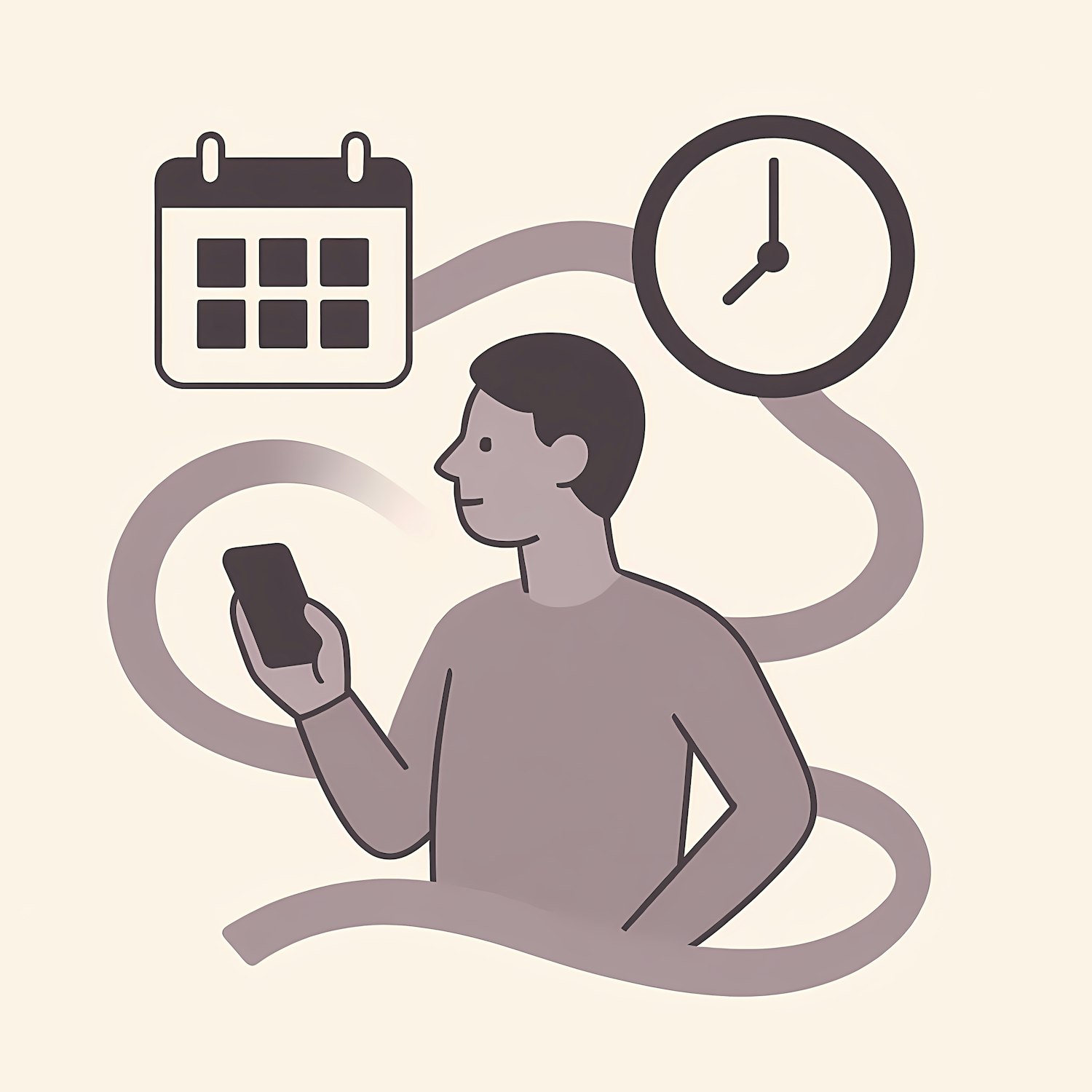
Time management means blocking your day for prospecting, calls, follow-ups, and skill practice. It also means saying no to distractions.
One list of the 15 best online sales training programs in 2026 emphasizes that self-discipline is often the difference between a top performer and a average one Zendesk. Without it, all the sales skills in the world will not matter.
Putting It All Together
These three skills are not optional. They are the core of what does a sales associate do in a high-ticket role. You learn them through practice, not just reading. Start by recording your own calls. Listen for where you could have listened better, handled an objection cleaner, or managed your time smarter.
If you want a structured path, check out this blueprint on how to master high-ticket sales for your small business or coaching practice. It gives you a step-by-step framework to sharpen these exact skills.
A Day in the Life of a Remote High-Ticket Sales Associate
You now know the skills. But what does a sales associate actually do from morning to night when working remotely? Let me walk you through a typical day. It might look different from what you imagine.
Many people think remote sales means sleeping in and taking calls in pajamas. And sure, you can do that sometimes. But the top performers have structure. They treat every day like a mission. And in 2026, there are plenty of opportunities to land these roles. Just look at the number of remote high-ticket sales jobs available on job boards right now. The demand is real Indeed.
Morning: Set the Stage for Wins
A great day starts before your first call. You wake up, grab coffee, and open your CRM. Your first job is to review your pipeline. You check which leads moved through stages overnight. You see who opened your email. You spot who is ready for a follow-up.
Then you warm up your leads. That means sending a quick text or email to remind them of your call later. You also set your daily goals. Not just revenue goals. Activity goals too. How many calls will you make? How many proposals will you send? You write it down.
This morning routine takes about 30 to 45 minutes. If you skip it, your day gets chaotic. You lose track of who needs what. So be disciplined.
Midday: The Heart of Closing
This is when the real work happens. From late morning through early afternoon, you run discovery calls and presentations. Each call is a chance to listen, ask questions, and uncover pain points. You are applying that consultative close framework we talked about earlier.
You might have three or four calls booked back to back. Between calls, you send follow-up emails. You answer objections. You send proposals. You also handle any hot leads that need immediate attention. This is where your time management skills shine.
One mistake new sales associates make is trying to do too many things at once. Do not check social media between calls. Do not answer personal texts. Stay in the zone. Your focus directly affects your commission.
Afternoon: Build for Tomorrow
After your main calls are done, you shift to pipeline management. You update your CRM with notes from every conversation. You move leads to the correct stages. You schedule follow-ups for the next day or next week.
Then comes reporting. You track your numbers. How many calls did you make? What was your close rate? What objections came up most? This data helps you improve.
Finally, you invest in skill development. You listen to a training video or read a sales book. You might practice your pitch in the mirror or record yourself. The best closers never stop learning. One proven blueprint explains how to master high-ticket sales by building this habit into your routine ClosingIncome.
By late afternoon, you close your laptop. You hit your goals. And you get ready to do it all again tomorrow.
That is what does a sales associate do in a remote high-ticket role. It is structured. It is focused. And it is very rewarding when you get it right.
Common Challenges Sales Associates Face (and How to Overcome Them)
That structured day we just walked through works great when everything clicks. But let me be real with you. Every high-ticket sales associate runs into roadblocks. The difference between those who succeed and those who burn out is how they handle the tough moments. Here are the three biggest challenges you will face and what to do about them.

1. Rejection and Motivation
You will hear "no" a lot. Probably more than you think you can handle. That is just part of the job when you are in high-ticket sales. The key is to not take it personally. Experienced sales pros know that rejection is just data Built In LA. Every "no" tells you something about your pitch, your timing, or the lead’s fit.
The trick is to turn rejection into a learning moment. Ask yourself what you can improve. Then move on quickly. When motivation dips, remember your bigger goals. Write them down. Look at them every morning. If you need a deeper framework, check out the coach’s blueprint for high-ticket sales success on ClosingIncome. It helps you stay focused on the long game.
2. Lead Sourcing and Quality
Picking up the phone is easy. Having someone worthwhile on the other end is hard. Many sales associates struggle to find high-quality leads consistently. You might get stuck calling people who cannot afford your product or are not ready to buy.
How do you fix this? First, get clear on your ideal customer. Second, use multiple channels to find them. And if you are just starting out, learn how to find leads through referrals and warm introductions. A strong pipeline keeps your motivation high. For more on building that foundation, check out this guide on how to start a high-ticket sales career in 2026 ClosingIncome.
3. Remote Work Isolation
Working from home sounds great until you realize you have not talked to another human in three hours. Isolation is real. It drains your energy and can make you feel disconnected from the team.
The fix is community and accountability. Join online groups for sales associates. Find an accountability partner who checks in daily. Use video calls instead of just chat. Set up virtual coffee breaks with teammates. You need people who get what you do. When you share wins and losses, the isolation fades.
The truth is this: every challenge has a workaround. The best sales associates do not avoid problems. They solve them. And that is exactly what sets you apart.
How to Become a Sales Associate: Training, Resume, and Job Hunt for High-Ticket Roles
So you know what a sales associate does in high-ticket sales. You understand the challenges. Now let’s talk about how to actually break into this career. The path is clearer than most people think. You just need the right training, a solid resume, and a smart job search strategy.
Certifications and Training: Which Courses Actually Land Jobs
Not all sales training is created equal. If you want to become a high-ticket sales associate, you need real skills, not just a certificate. The best training programs teach you how to handle objections, read buyer psychology, and close deals over the phone or Zoom.
According to a 2026 guide on mastering high-ticket sales, you should focus on understanding buyer psychology and practicing communication skills first Adam Cerra. What does that look like? It means learning how to listen more than you talk. It means practicing your pitch until it feels natural.
One of the best free places to start is a full high-ticket sales masterclass on YouTube. This training covers call structure, closing techniques, and real-world examples Free Masterclass. It’s a solid foundation before you pay for anything.
If you want structured programs, check out the 15 best online sales training programs for 2026. Many of them offer free trials or low-cost modules that teach you the fundamentals Zendesk. The key is to find a course that includes live practice calls or role play. That’s where real growth happens.
High-income skills like negotiation, persuasion, and emotional intelligence are also critical. Platforms like Coursera offer courses on these topics that can boost your resume
For a deeper dive into the specific tools and sales associate responsibilities, check out our complete guide on how to start a high-ticket sales career in 2026 ClosingIncome. It covers everything from mindset to daily workflows.
Building a Sales Resume and Portfolio with No Experience
You might think “I have no sales experience, so no one will hire me.” That’s not true. Sales managers care about skills, not just job titles. If you can show you know how to communicate, handle rejection, and follow a process, you have a shot.
Here’s what to put on your resume when you have zero direct experience:
- Transferable skills: customer service, phone support, retail, or even volunteer work where you talked to people.
- Certifications: List any sales courses you completed. Even a free YouTube masterclass counts if you can talk about what you learned.
- Results: If you ever sold something informally (fundraising, helping a friend’s business, or even selling items online), put numbers on it.
- Soft skills: Active listening, empathy, resilience, time management.
You can also build a portfolio by recording mock sales calls. Practice with a friend or use a script from a training program. Record it, get feedback, and show it to employers. A portfolio of one or two strong call recordings can be more powerful than a resume.
If you need help structuring your resume, the guide on becoming a high-ticket closer includes a sample resume section Adam Cerra. Use it as a template.
Networking and Job Platforms: Where to Find Remote High-Ticket Closing Roles
Finding a remote high-ticket sales job requires knowing where to look. Most people only check one or two job boards and miss the best opportunities. Here are the top places to find legit roles in 2026:
| Platform | Best For |
|---|---|
| Dial a Closer | Curated high-ticket sales jobs, vetted employers Dial a Closer |
| Indeed | Large number of remote roles, but requires careful filtering Indeed |
| Upwork | Freelance and contract closing gigs Upwork |
| Glassdoor | Company reviews and salary transparency Glassdoor |
| Networking with hiring managers and sales teams |
According to experts, the best strategy is to apply to specialized platforms like Dial a Closer first. They focus on high-ticket roles and have a higher quality of job listings.

Then use general boards as a backup Dial a Closer.
Networking also matters. Join sales communities on Facebook, Slack, or Discord. Many jobs are never posted publicly. They get filled through referrals. Connect with experienced sales associates on LinkedIn and ask for advice. Most are happy to help.
The best high-ticket sales jobs in 2026 include enterprise SaaS sales, high-ticket coaching programs, and luxury product sales. These roles can pay $100,000 to $300,000+ per year Ecommerce Paradise. Start applying now, even if you don’t feel 100% ready. You will learn faster on the job.
Remember: Becoming a successful sales associate is a process. Get the training, build your materials, and apply consistently. The opportunities are out there.
Summary
This article updates the old image of a sales associate and explains how the role has evolved into a high-income, remote craft for skilled closers. It walks through the core responsibilities—prospecting, product knowledge, closing and follow-up—then contrasts low-ticket and high-ticket sales across commission structures, required skills, and mindset. The guide details the three essential skills for high-ticket success (active listening, objection handling, and time management), outlines a structured remote workday, and addresses common challenges like rejection, lead quality, and isolation. Finally, it gives practical advice on training, building a resume and portfolio with little experience, and where to find legitimate remote high-ticket roles so you can start earning real money on a clear career path.
Keep learning about closing and income